


|
|
|
|
by Editor Miro Susta
Edited and published by Yvette Depaepe, the 26th of October 2026
A windless morning by the lake is like a blank sheet of paper. When the water’s surface is so smooth that the sky and the earth appear to merge, a magical symmetry emerges. There are moments in nature when the world holds its breath. Anyone who has stepped onto the shore of a secluded lake at dawn or sunset will know this feeling of absolute stillness.
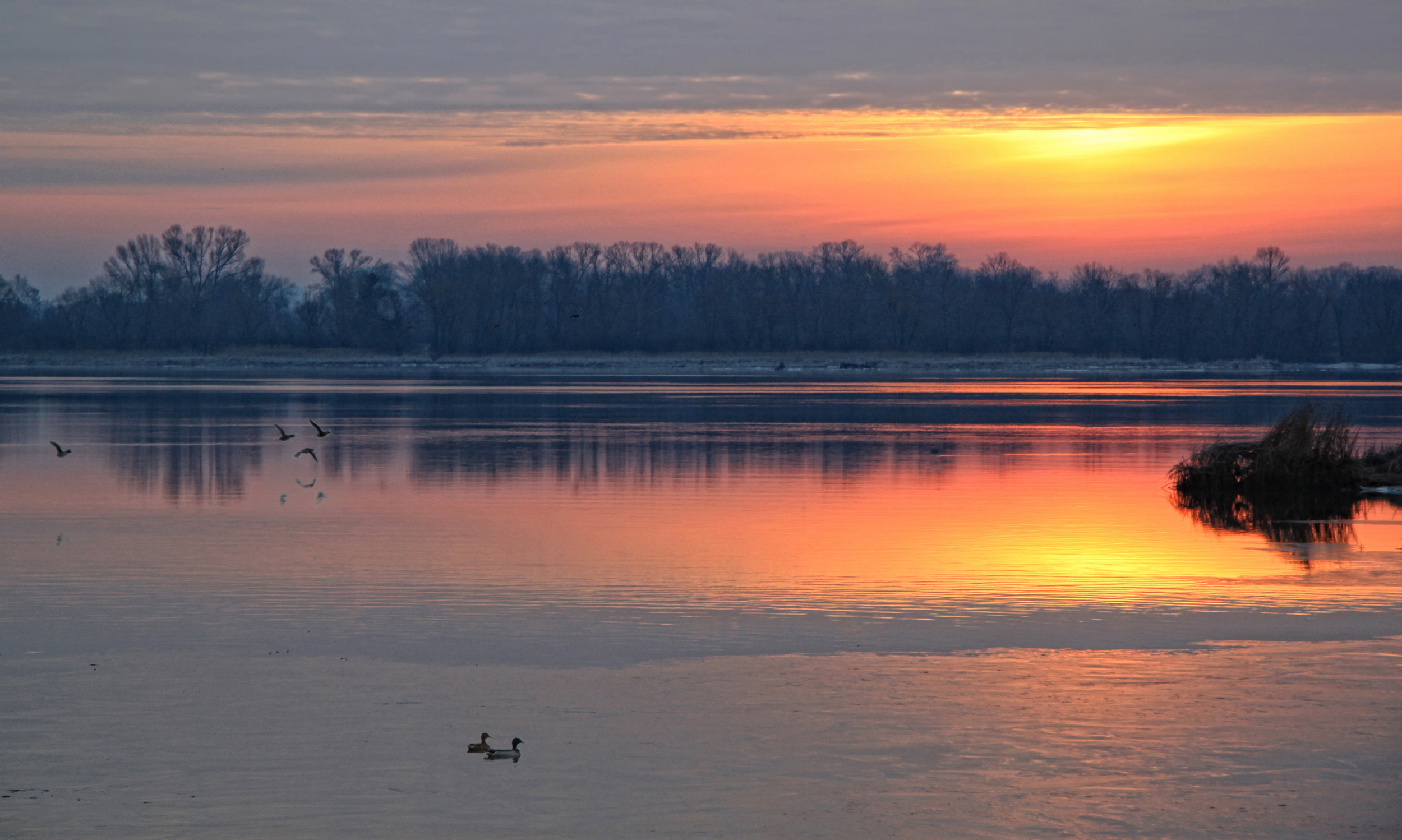
“Dawn” by Alexander Kiyashko
The water is so still that it looks like glass. Not a breath of wind disturbs its surface, and not a single boat breaks its tranquillity. Sky and earth merge to create the perfect illusion, where 'up' and 'down' lose their meaning.
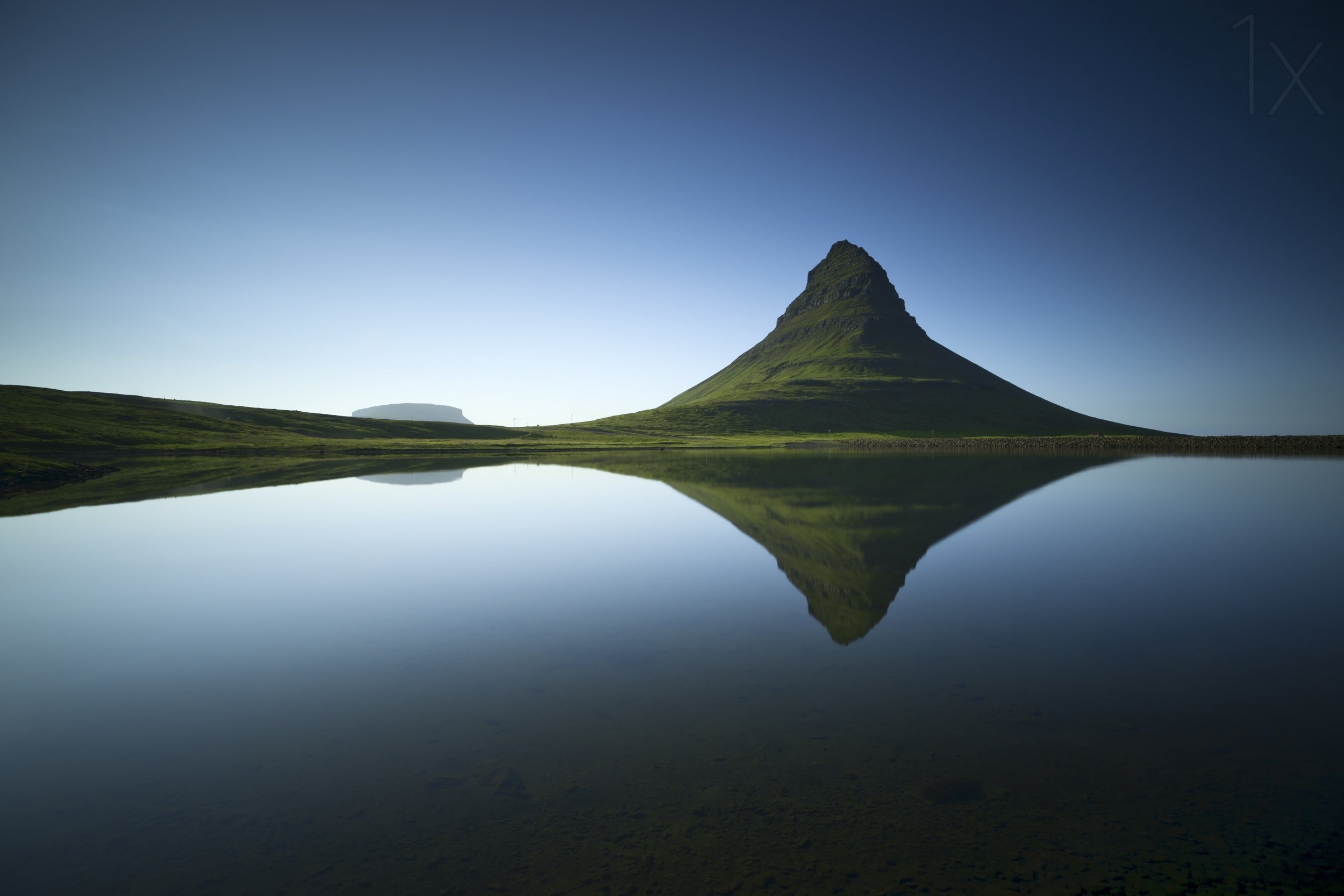
“... Kirkjufell” by Raymond Hoffmann
For photographers, these rare moments are pure luxury. But how can we capture this magical symmetry so that the tranquillity of the scene is palpable in the photograph? Why do we sometimes break the most important rules of photography in pursuit of the perfect reflection? And why is it worth getting up before sunrise to achieve it?
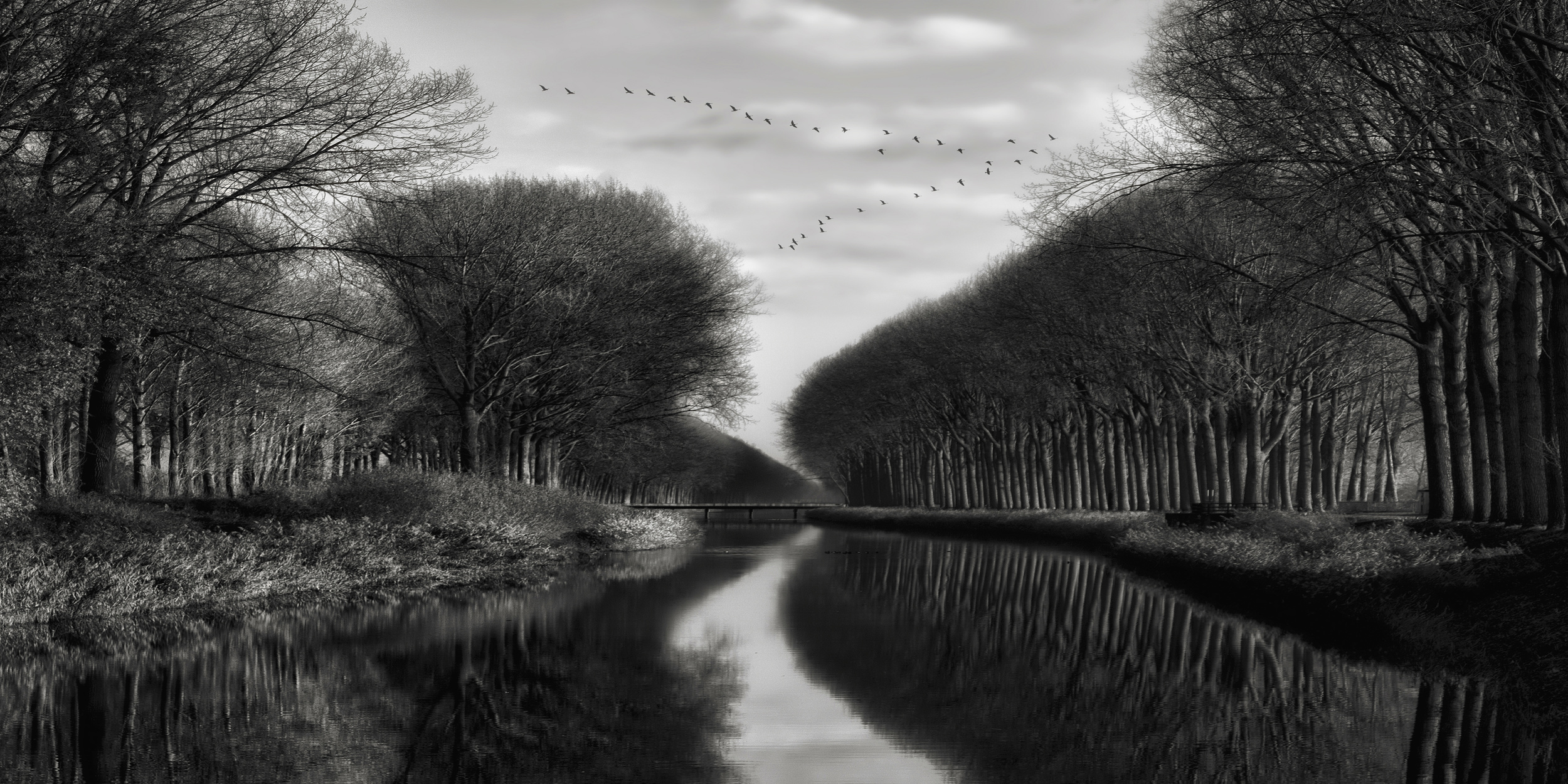
“The Art of Frozen Time” by Yvette Depaepe
Reflections in lakes, ponds and rivers provide photographers with plenty of opportunities to create striking images. However, depending on the weather and lighting conditions, achieving the desired effect can sometimes be tricky.
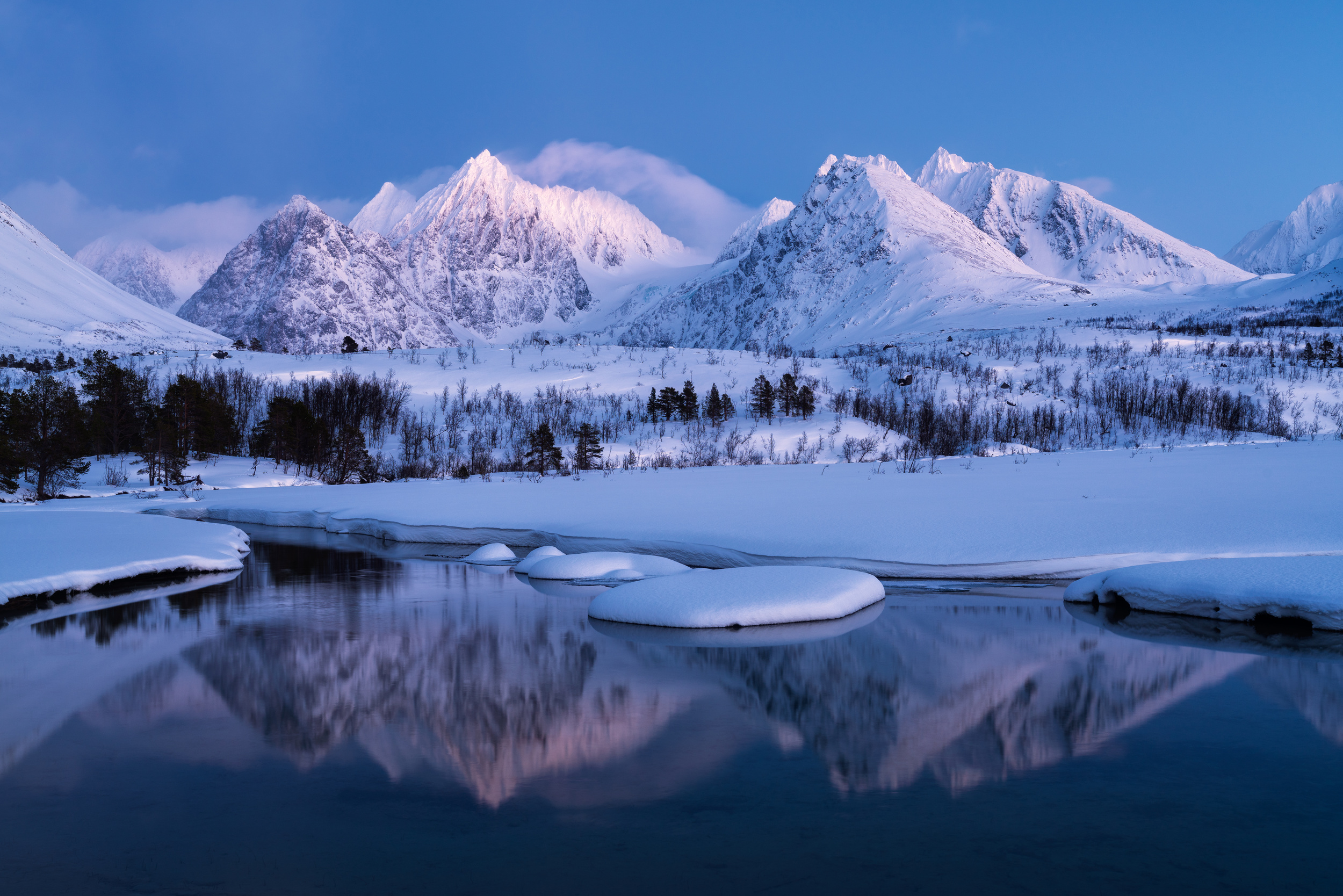
“Blue Hour Scenery” by Kaxelsenfoto
In this article, we take a journey to some of the world's most tranquil waters to explore the art of capturing the perfect reflection, from the magical moment itself to choosing the right camera angle.
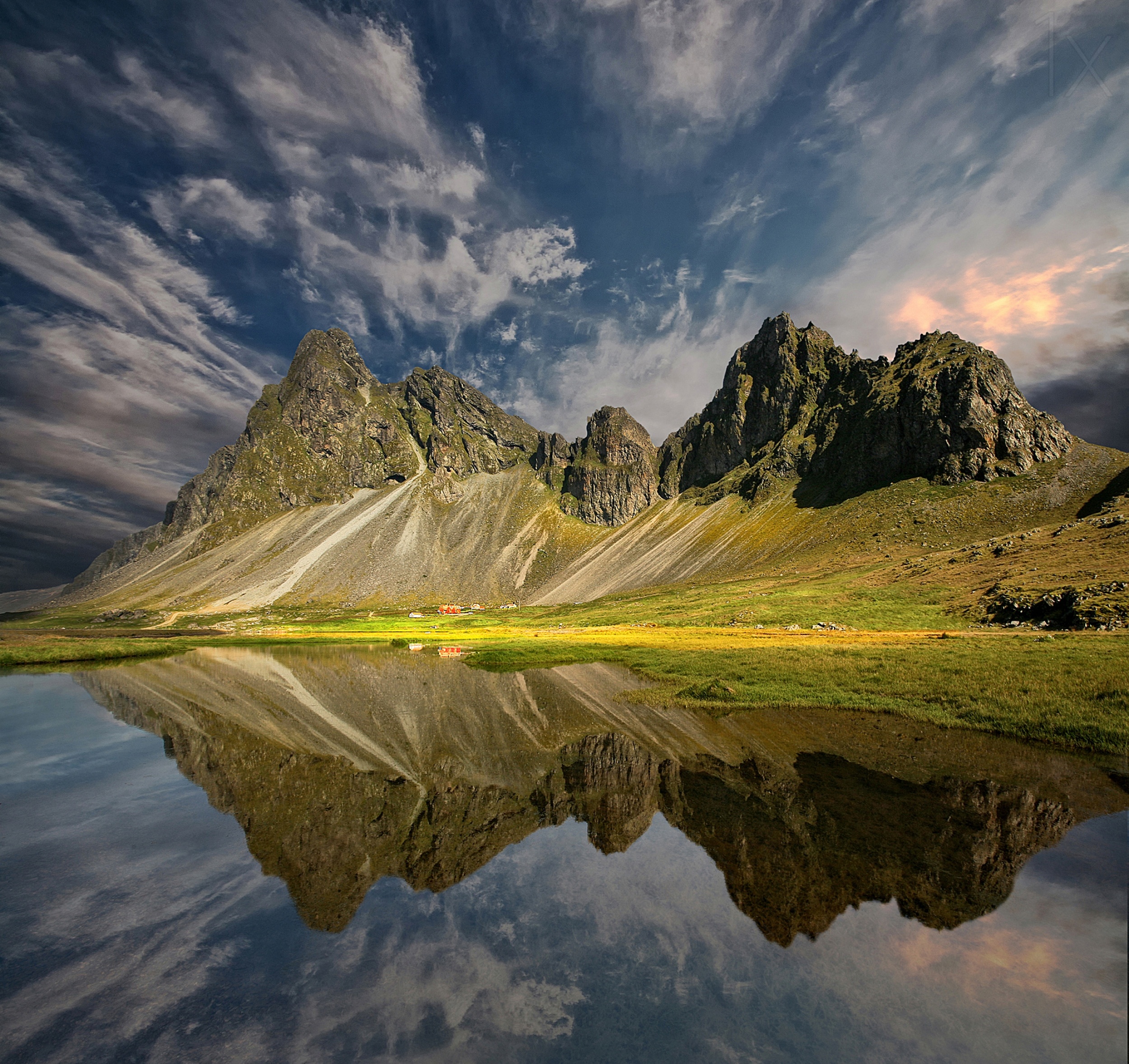
„Tranquillity“ by Þorsteinn H. Ingibergsson
Perfect timing: The early bird catches the best light.
A perfect reflection is a fleeting gift from nature. If we want to capture it, we'll need to set our alarm clocks. The best time to do so is in the early hours of the morning, just before and during sunrise.
At this time, the air is calm and there are hardly any thermal winds to disturb the surface of the water. Furthermore, the soft light of the ‘quiet morning hour’ creates a deep, almost painterly colour palette, which is perfectly mirrored on the calm lake. As soon as the sun warms the ground or the first day-trippers appear, the magic usually ends.
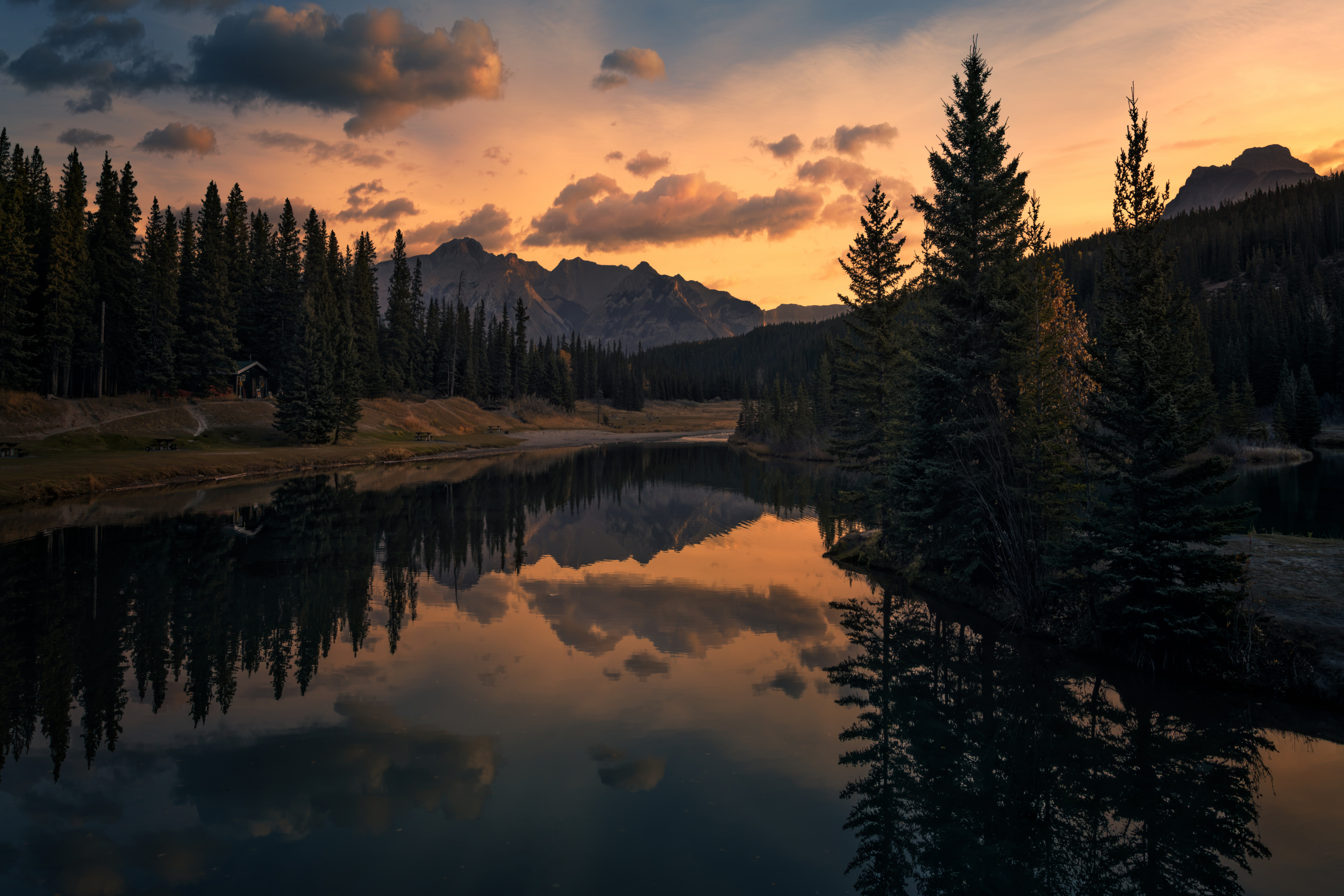
„Golden Sunrise Lake” by Lola Muñoz Jaraiz
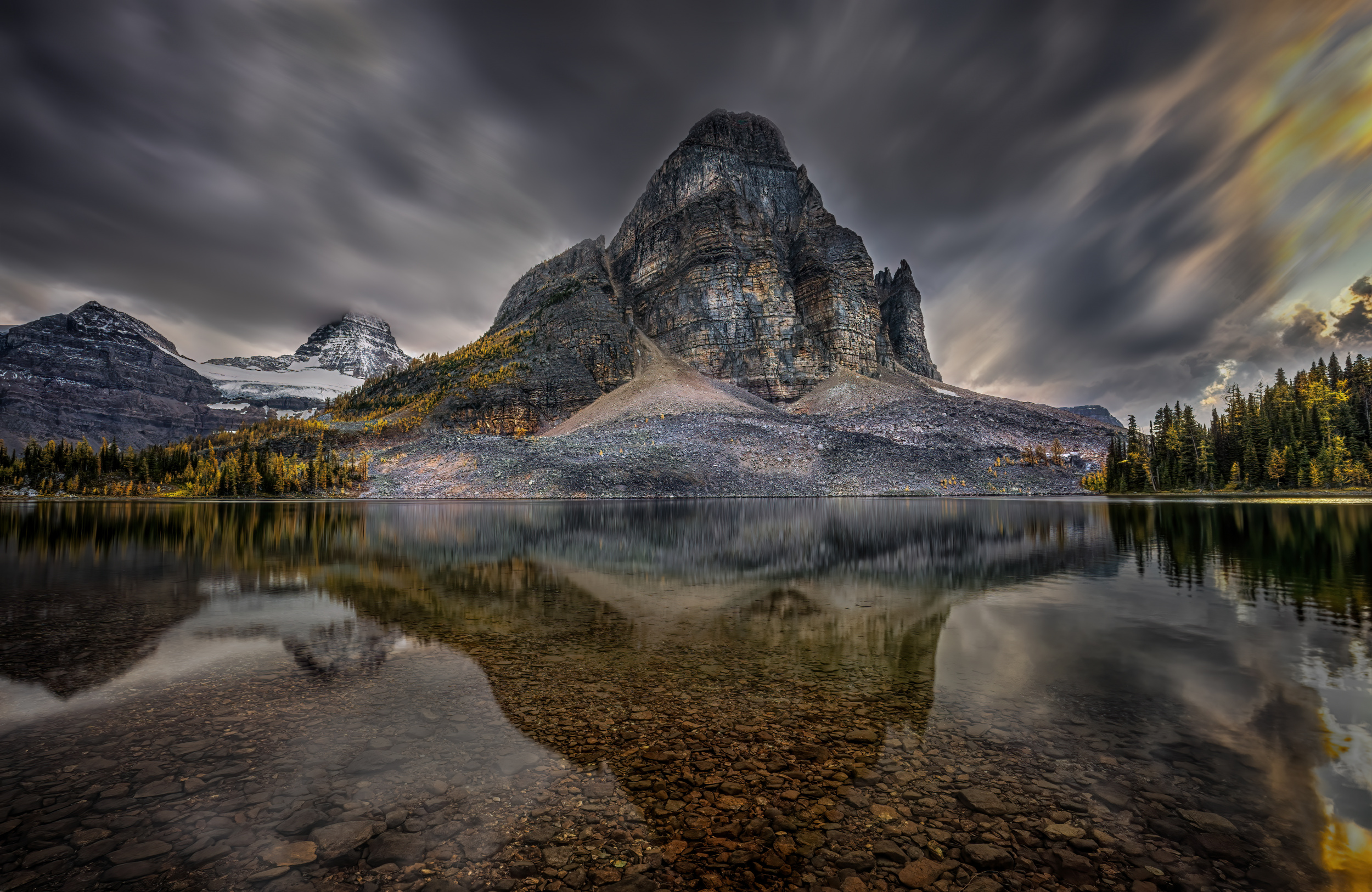
Sunburst Solitude by Jenny Qiu
The perspective: Eye level with the water.
A common mistake is taking photos from eye level while standing. The rule is: 'The flatter the angle to the water’s surface, the more intense the reflection'. Don't be afraid to get your trousers wet — crouch down and use your camera's flip-out screen just a few centimetres above the water.
From this extremely low angle, the lake will appear vast and even small reflections of clouds or trees on the opposite bank will be magnified to monumental proportions.
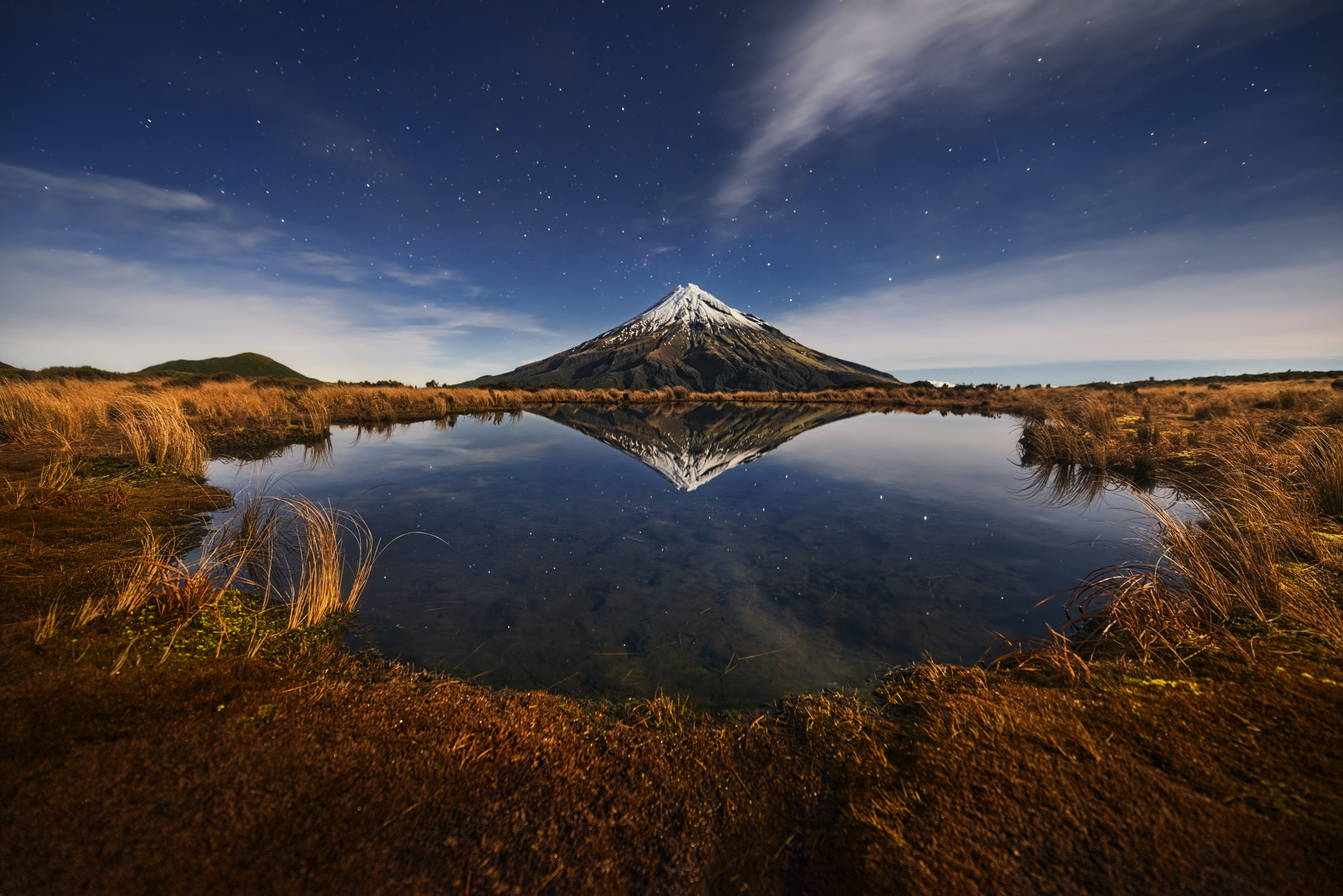
“Mount Taranaki” by Yan Zhang
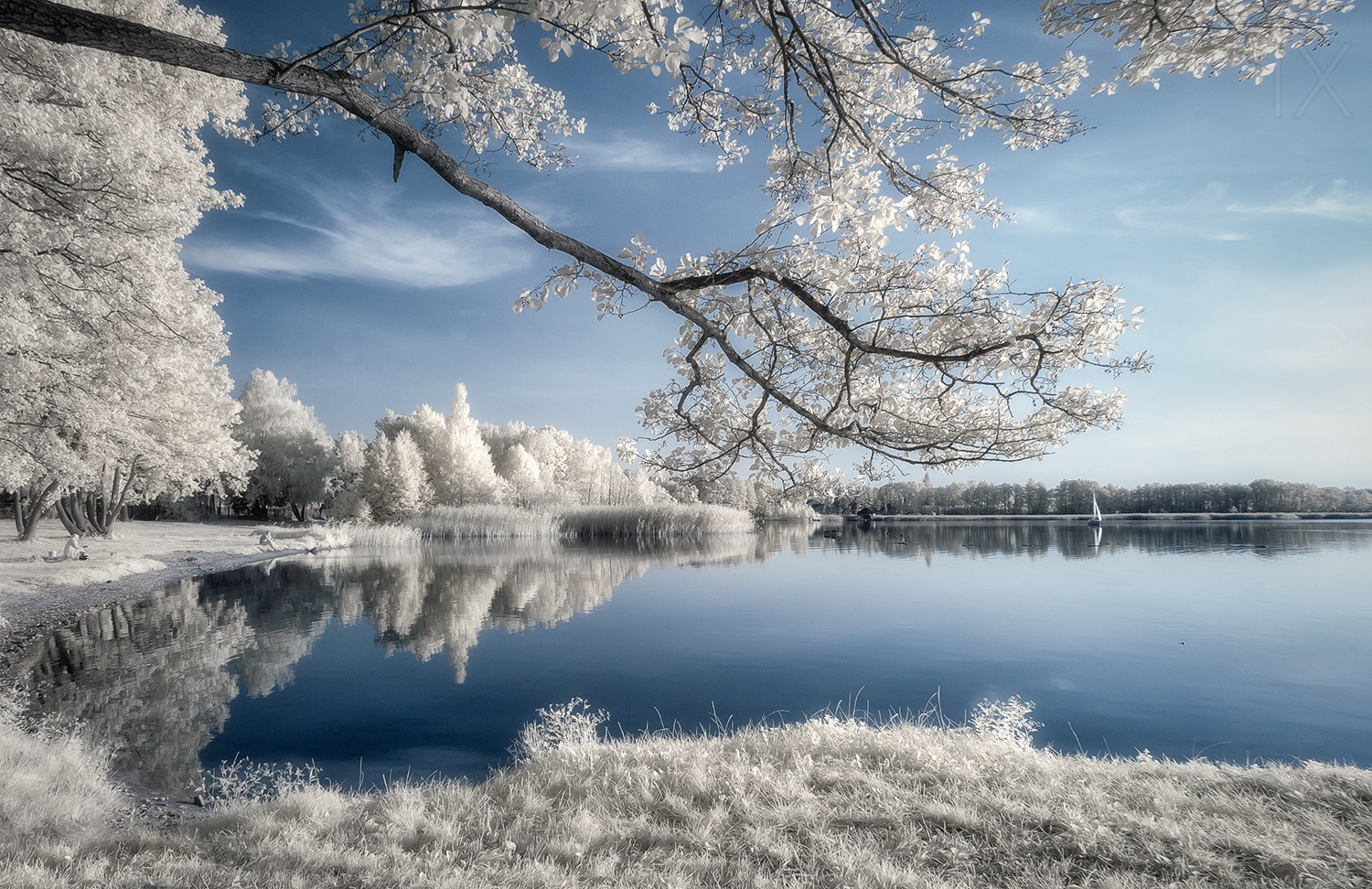
“IRenkowo” by Piotr Krol (Bax)
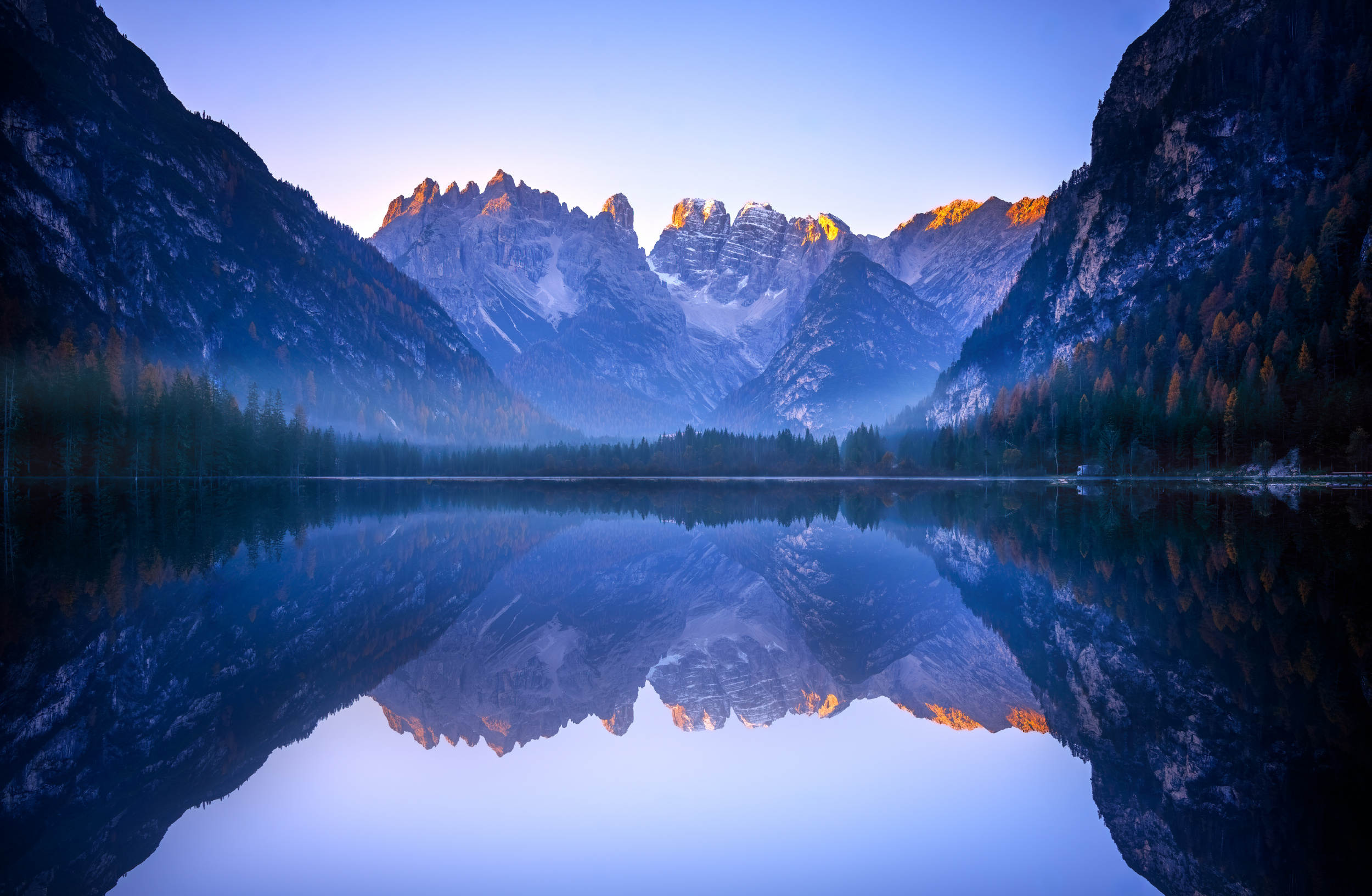
“Reflection” by Yuan Su
Composition: Breaking the Rules for Perfect Symmetry.
In photography, the first rule you usually learn is the rule of thirds, which states that the horizon should be placed in the top or bottom third of the frame. However, when capturing reflections of absolute tranquillity, it is best to deliberately break this rule.
Place the horizon exactly in the centre of the frame. This 50:50 division creates a visual illusion that enhances the image. For a moment, viewers lose their bearings as to what is reality and what is a reflection.
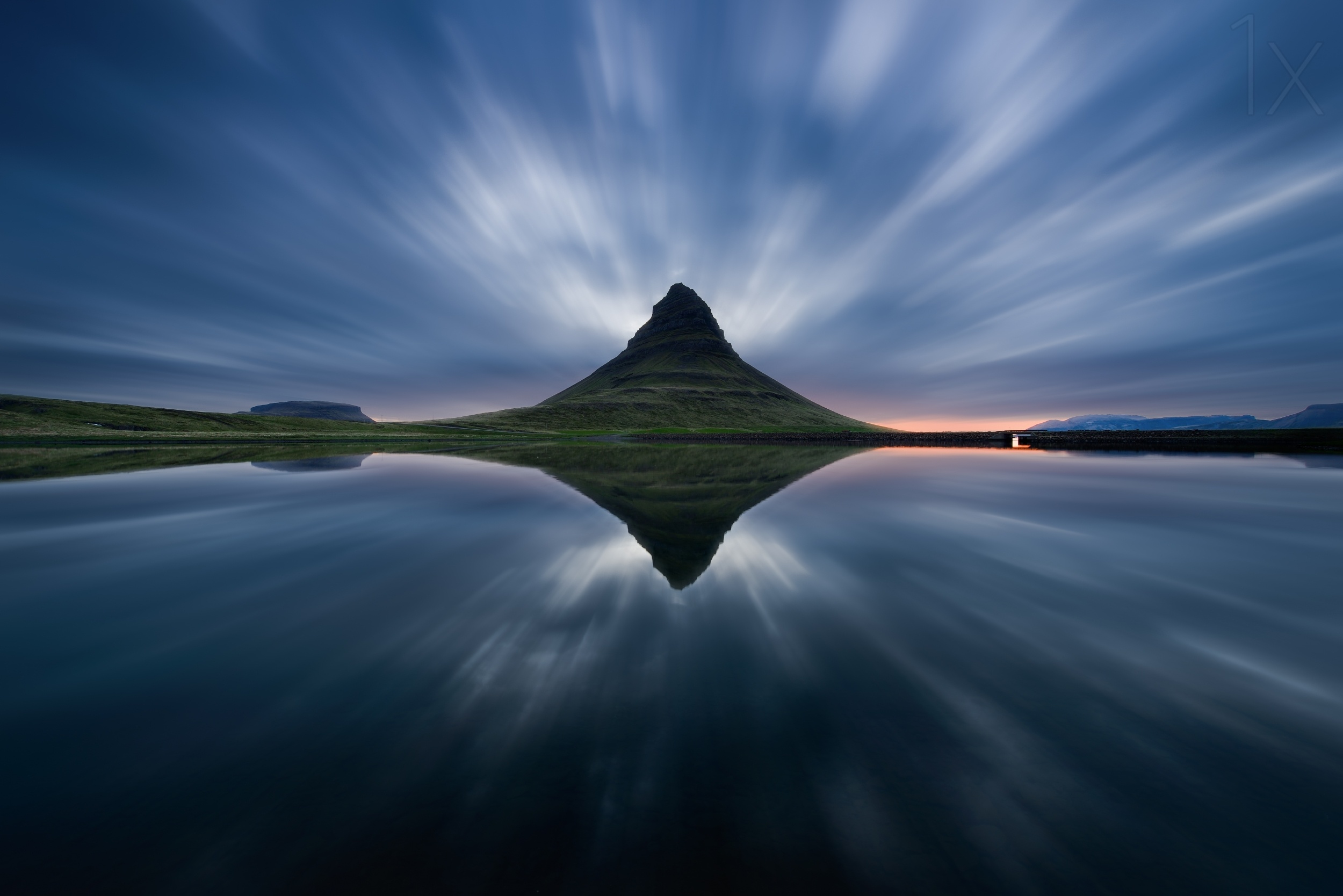
„A Night at Kirkjufell” by Simon Roppel
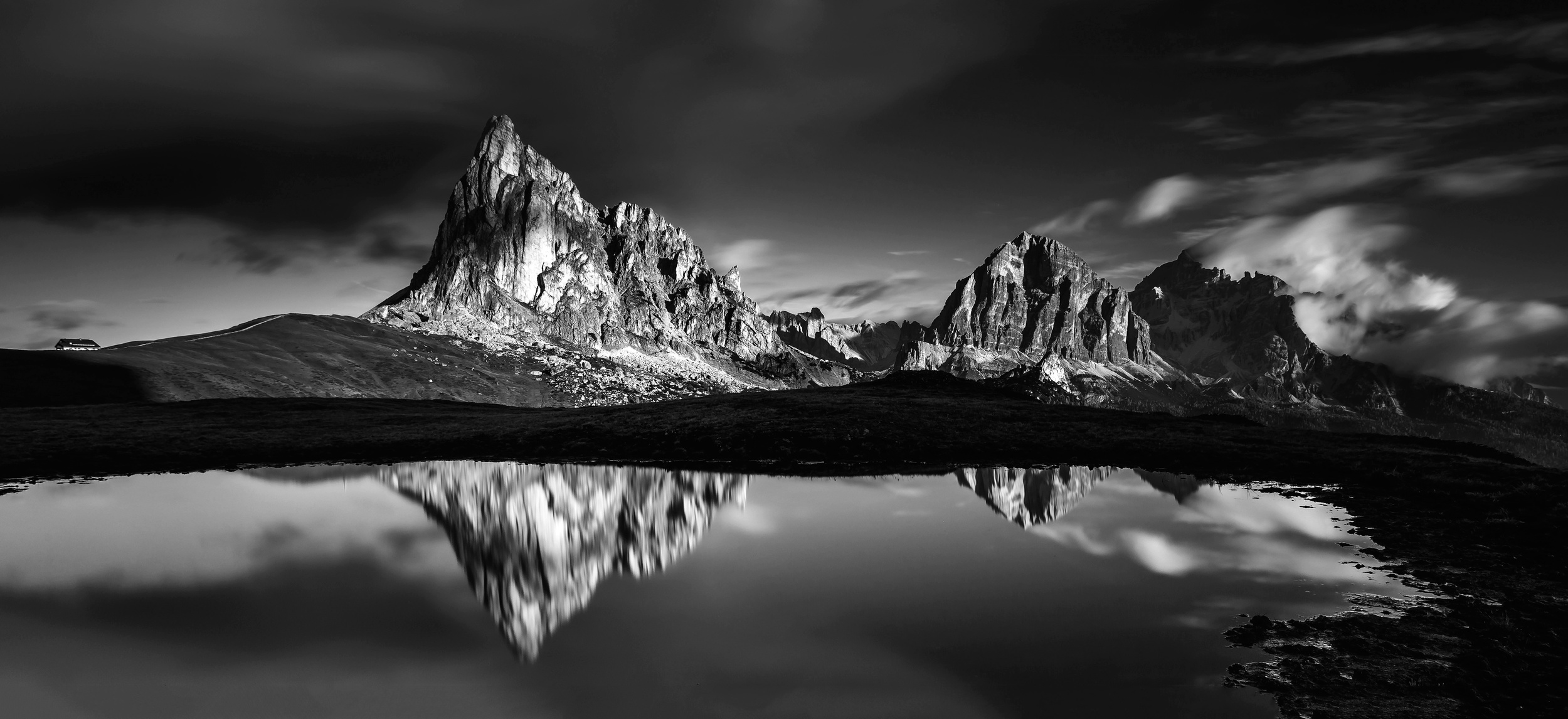
“Morning at Ra Gusela” by Lubos Balazovic
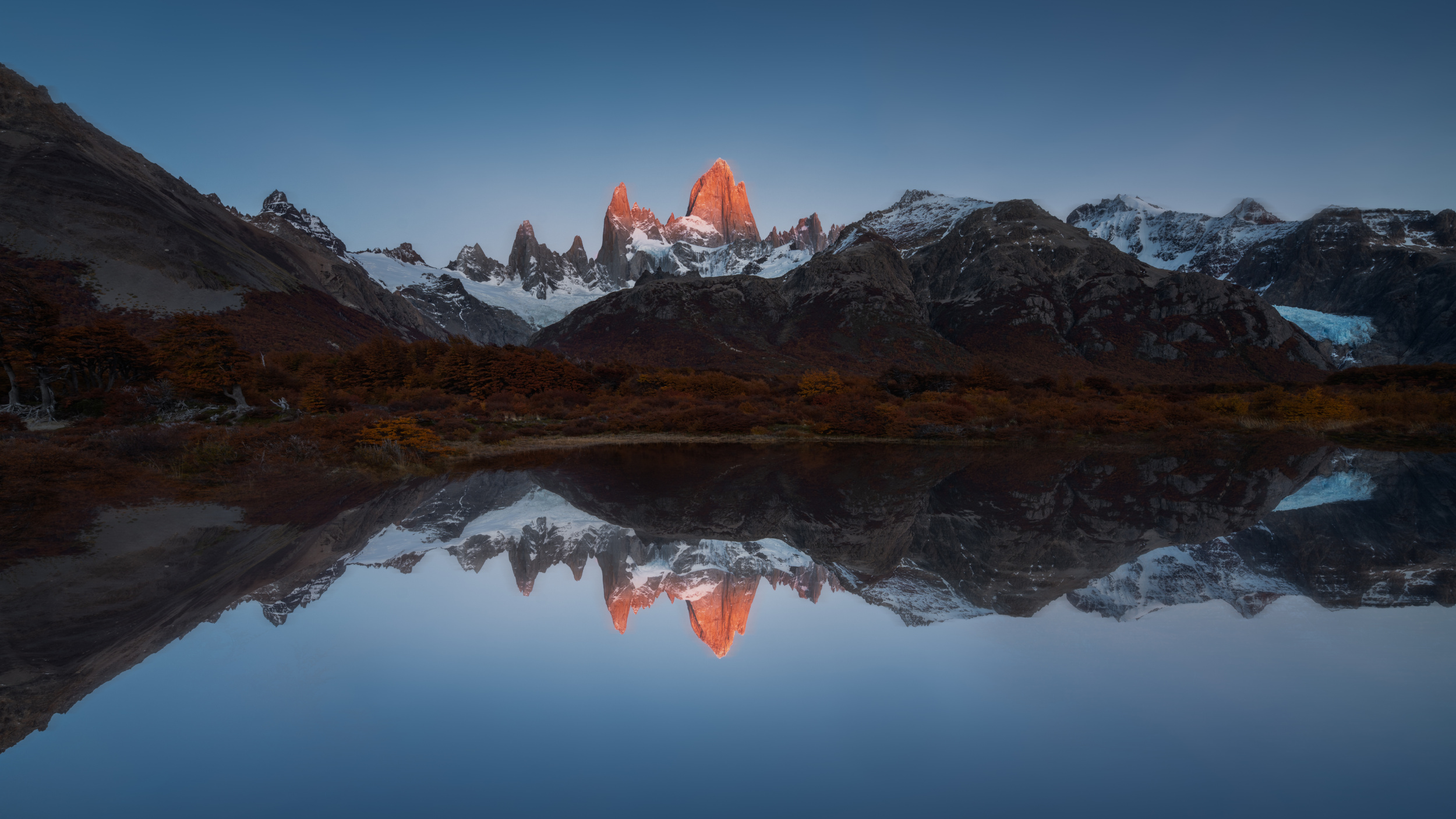
“Reflection of Fitz Roy” by Yongnan Li
Movement in the water.
Is the water’s surface too still, creating a picture that is too harmonious for our liking? If so, we can create some movement on the surface of the water. We could throw a stone into the water or splash water from the edge towards the centre, for example. However, we need to act quickly to capture the movement before it subsides.
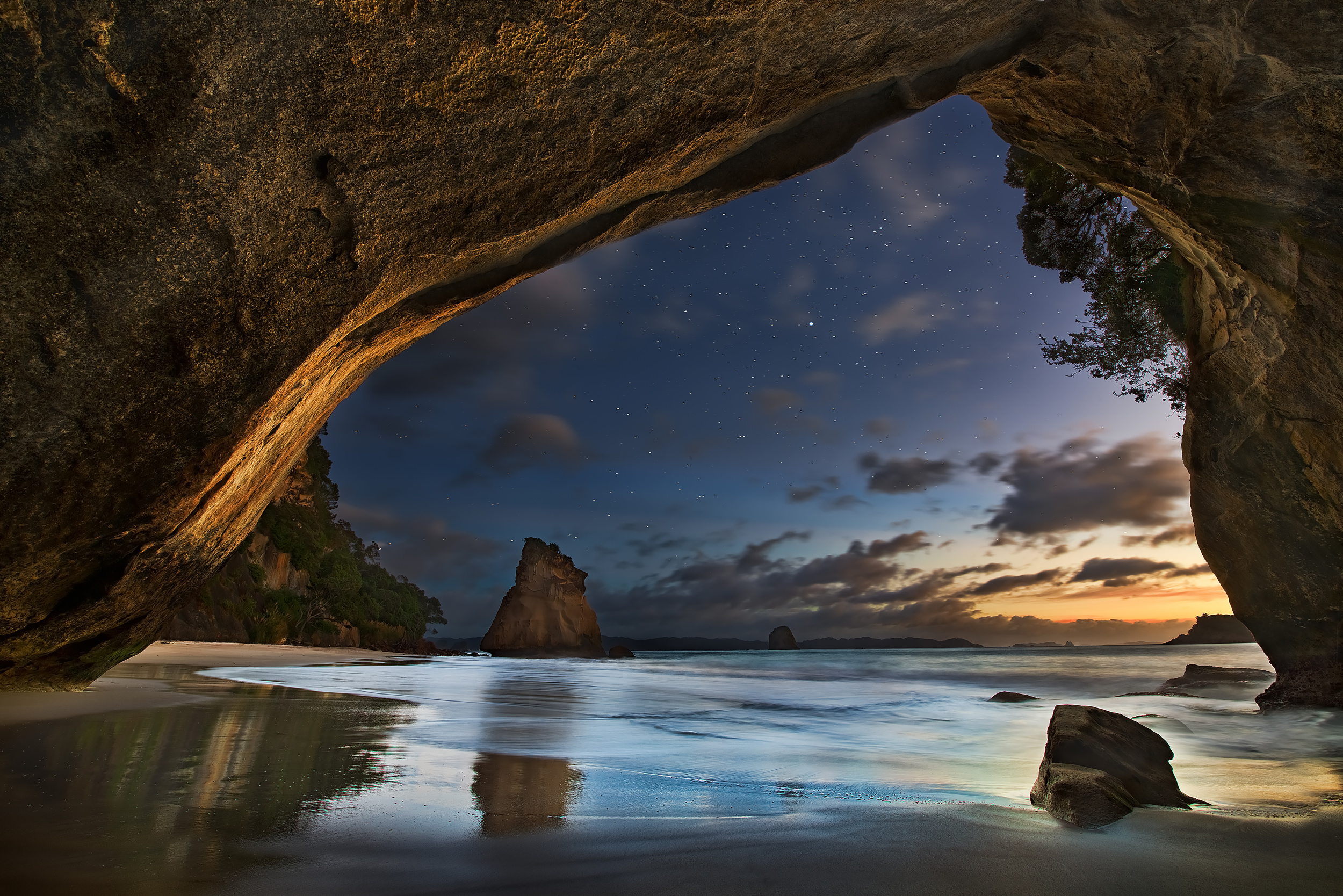
“Cathedral Cove” by Yan Zhang
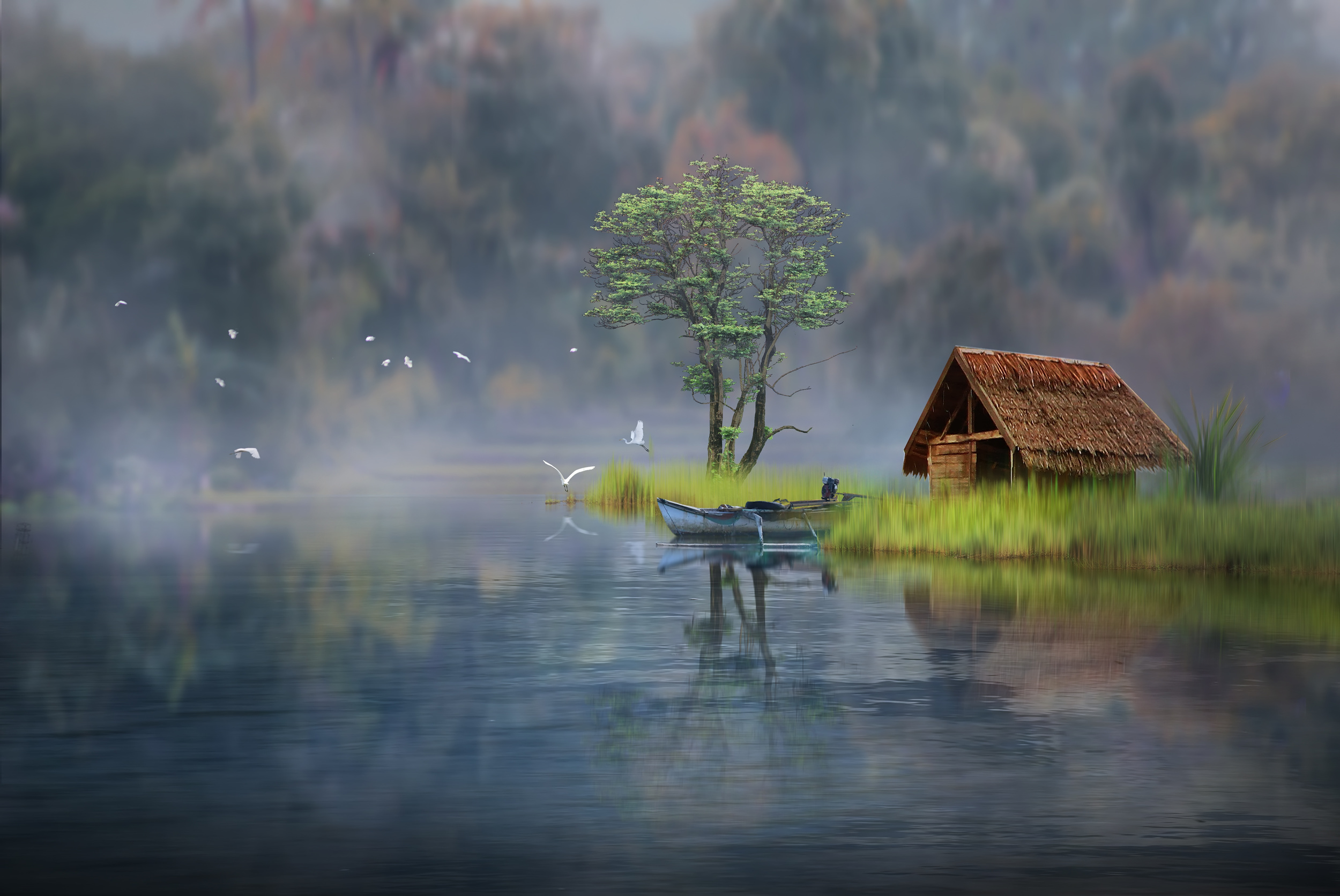
“Little hut” by iDs
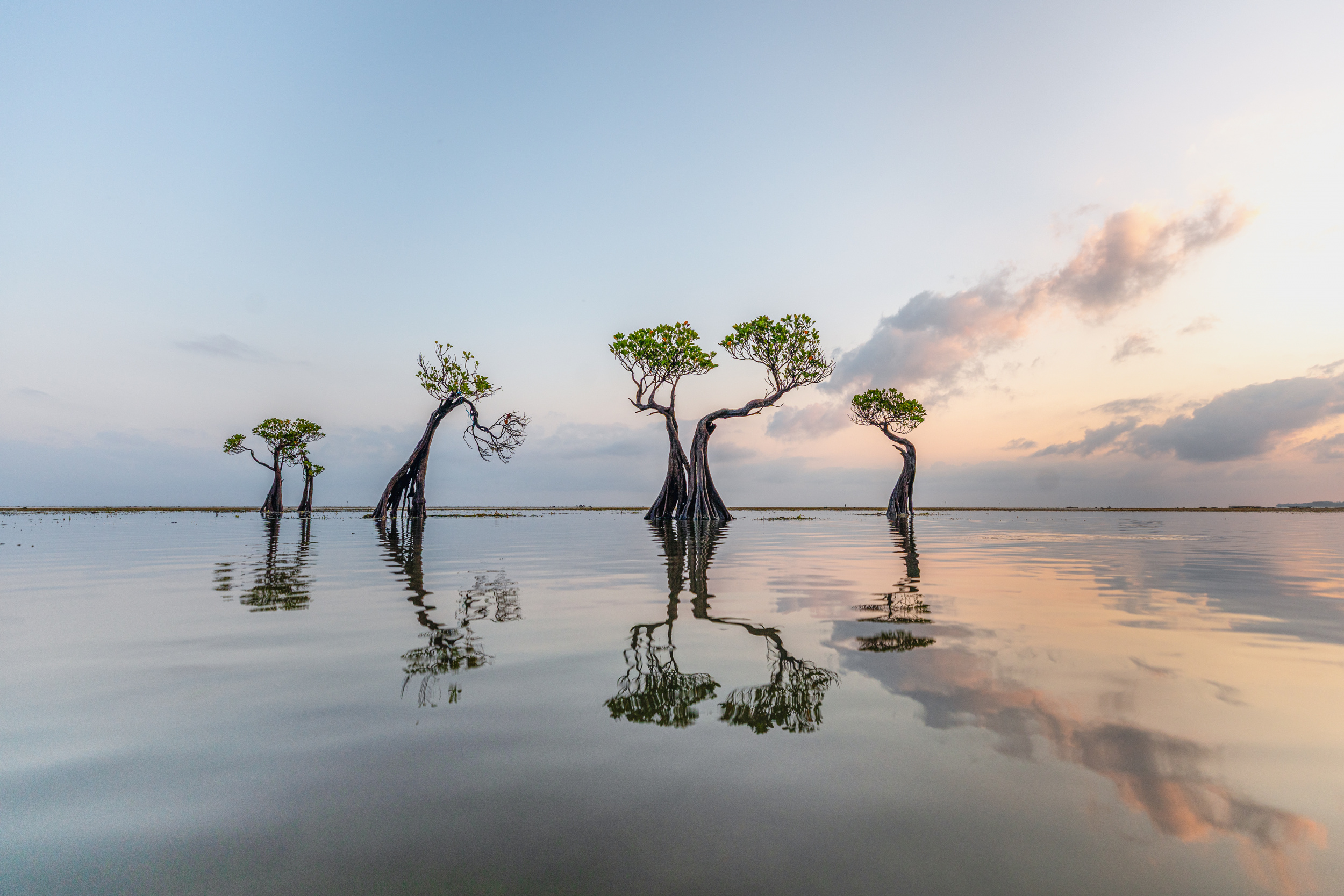
“Dancing Trees (Sumba, Indonesia)” by Luba Chapman
The picture anchor: Why perfection needs a disruptive element.
Although a flawless reflection is fascinating, it can seem monotonous over time. A powerful photograph needs an eye-catching visual anchor. This could be a solitary wooden jetty jutting out into the frame, an autumn leaf floating on the water or a rock, or even a single boat. This deliberate break in symmetry provides a focal point and tells a story of solitude and peace.
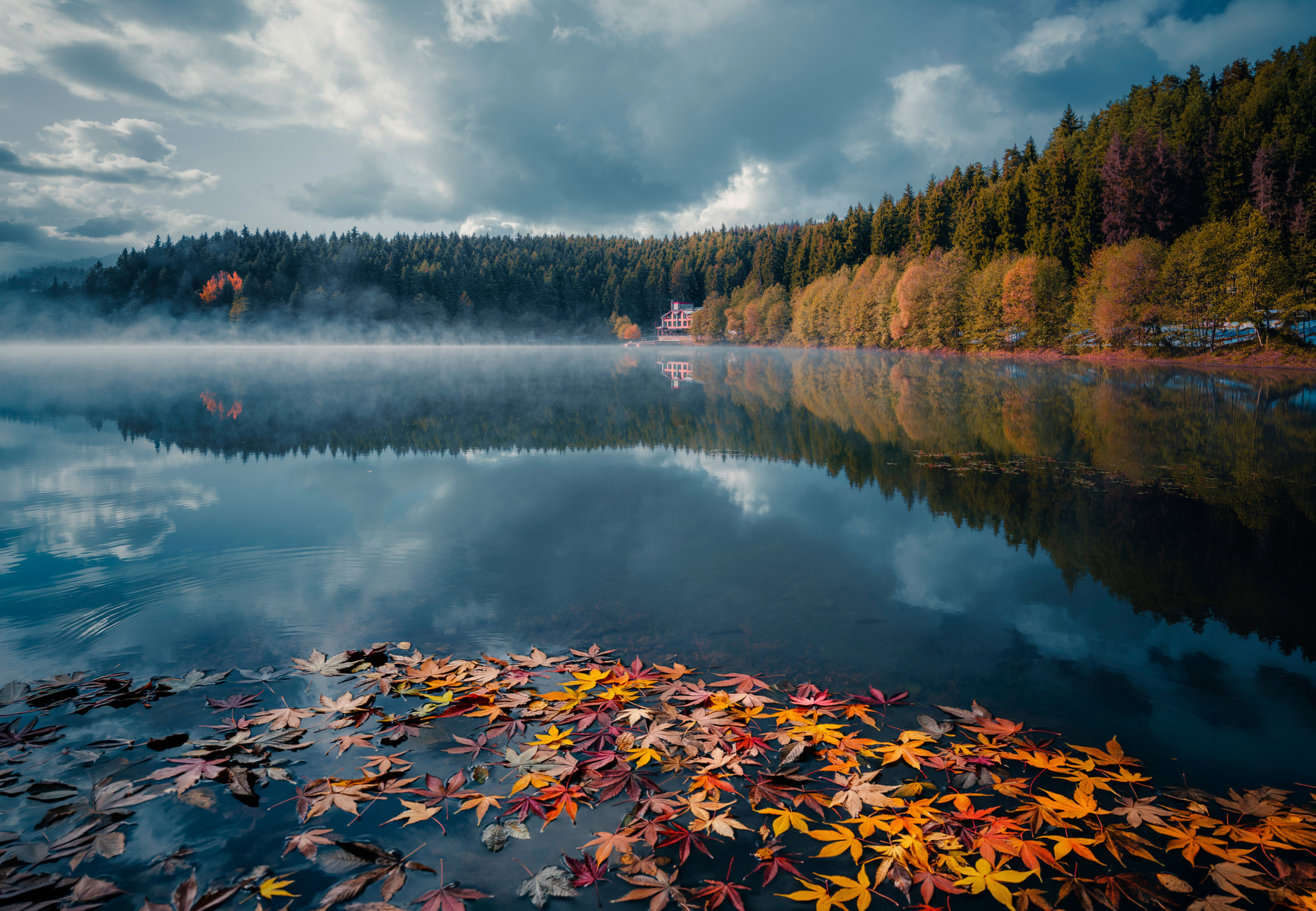
“The season of photography” by ugurgurtekinn
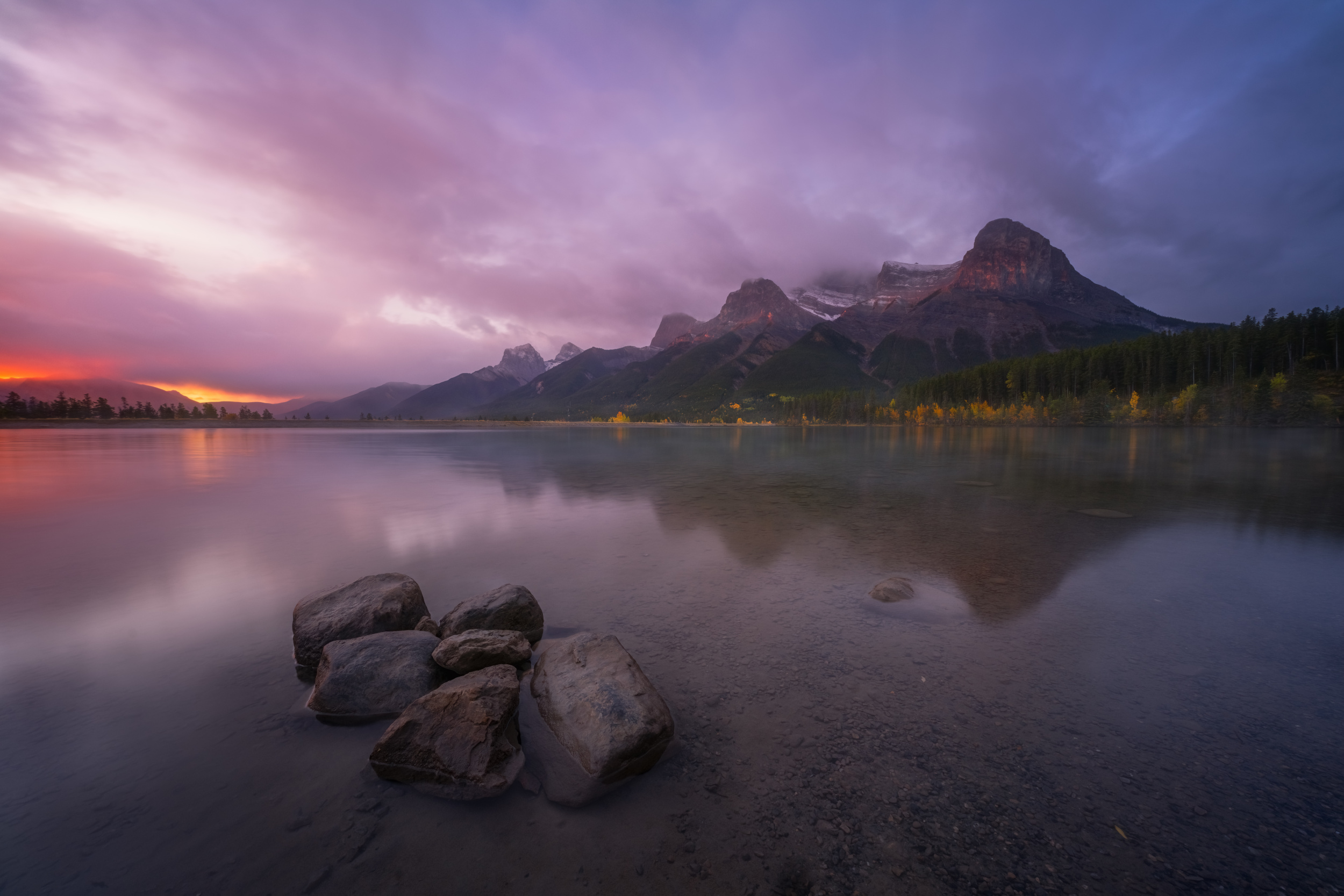
“Morning of Haling Peak” by Yongnan Li (李永男)
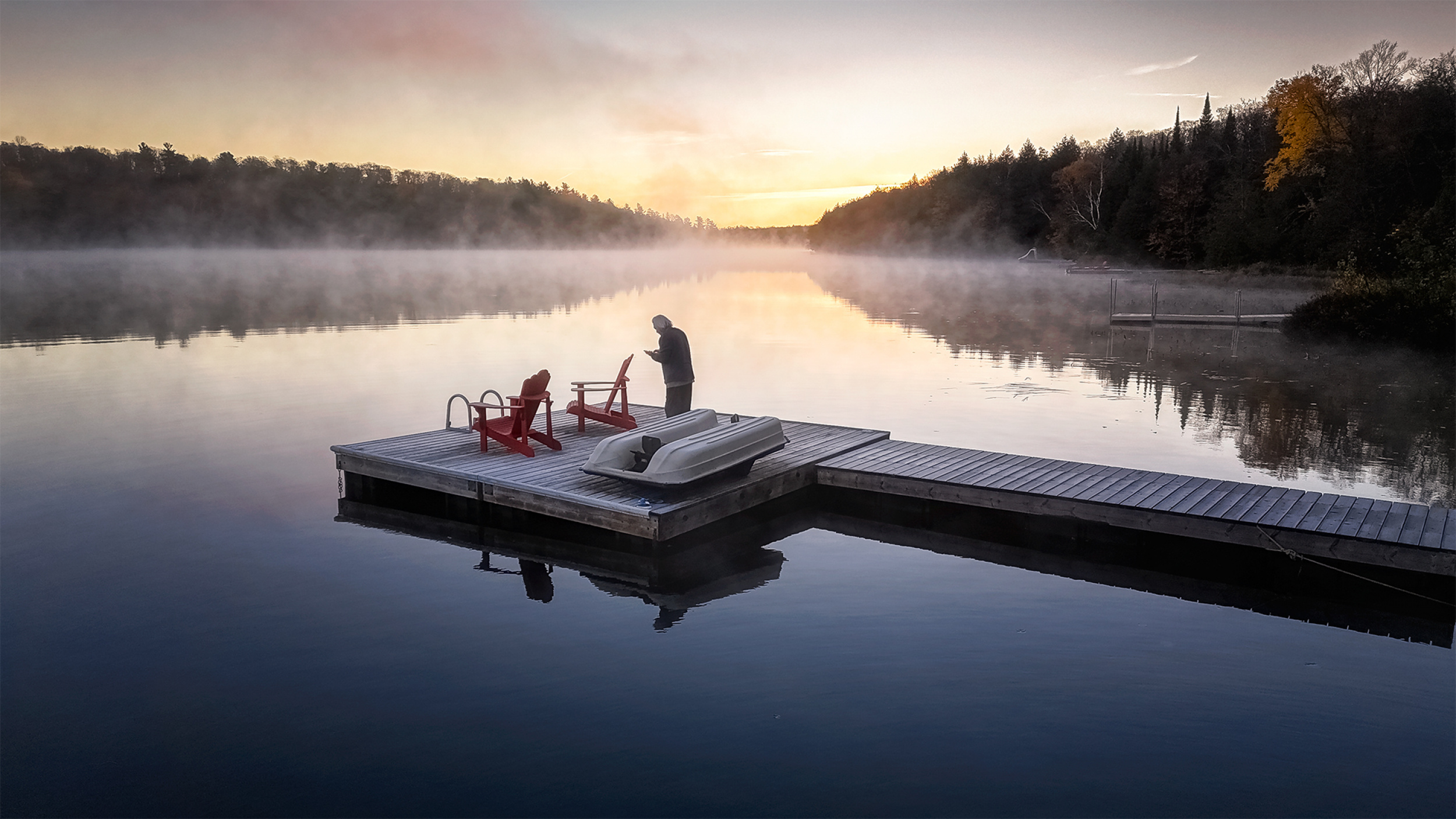
Untitled by Leeian Dai
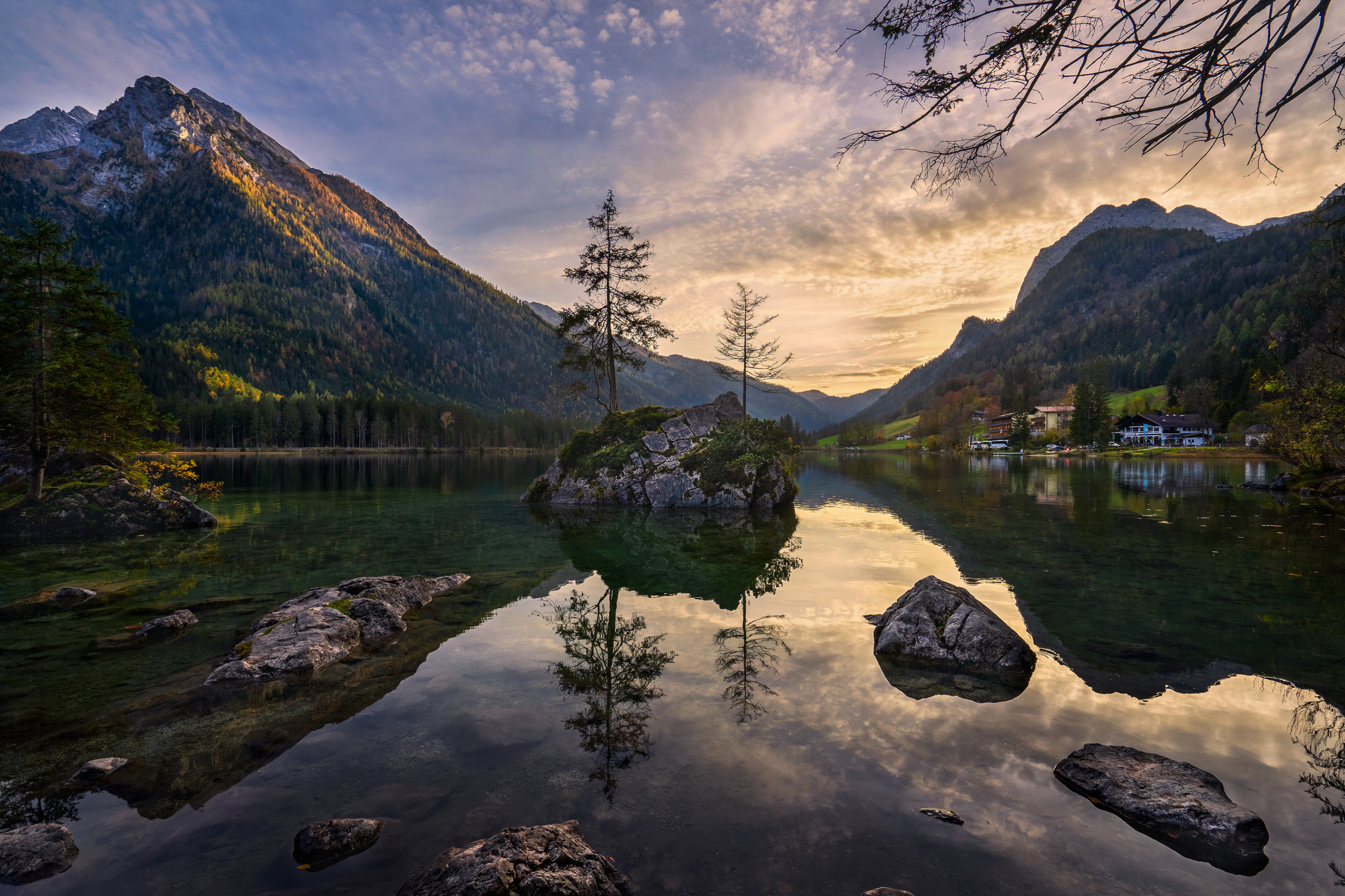
“Always tempting” by Isabella R. Gerich
In short, reflections can make a photograph more appealing. They introduce a new visual dimension and prompt the viewer to think. Through them, the distinction between reality and reflection can become blurred, resulting in interesting photographs.
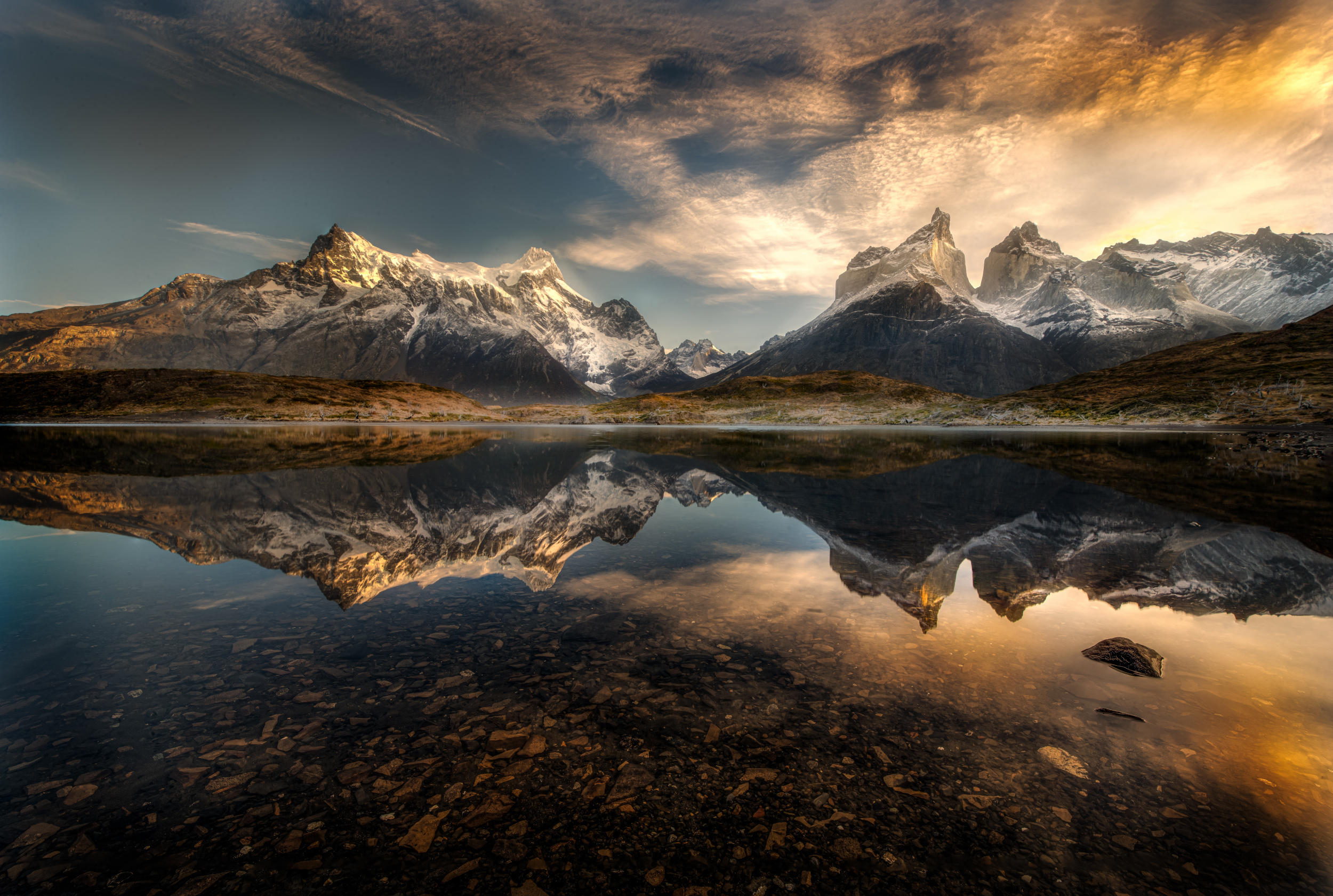
“Reflection in Torres del Paine” by HJ Yang
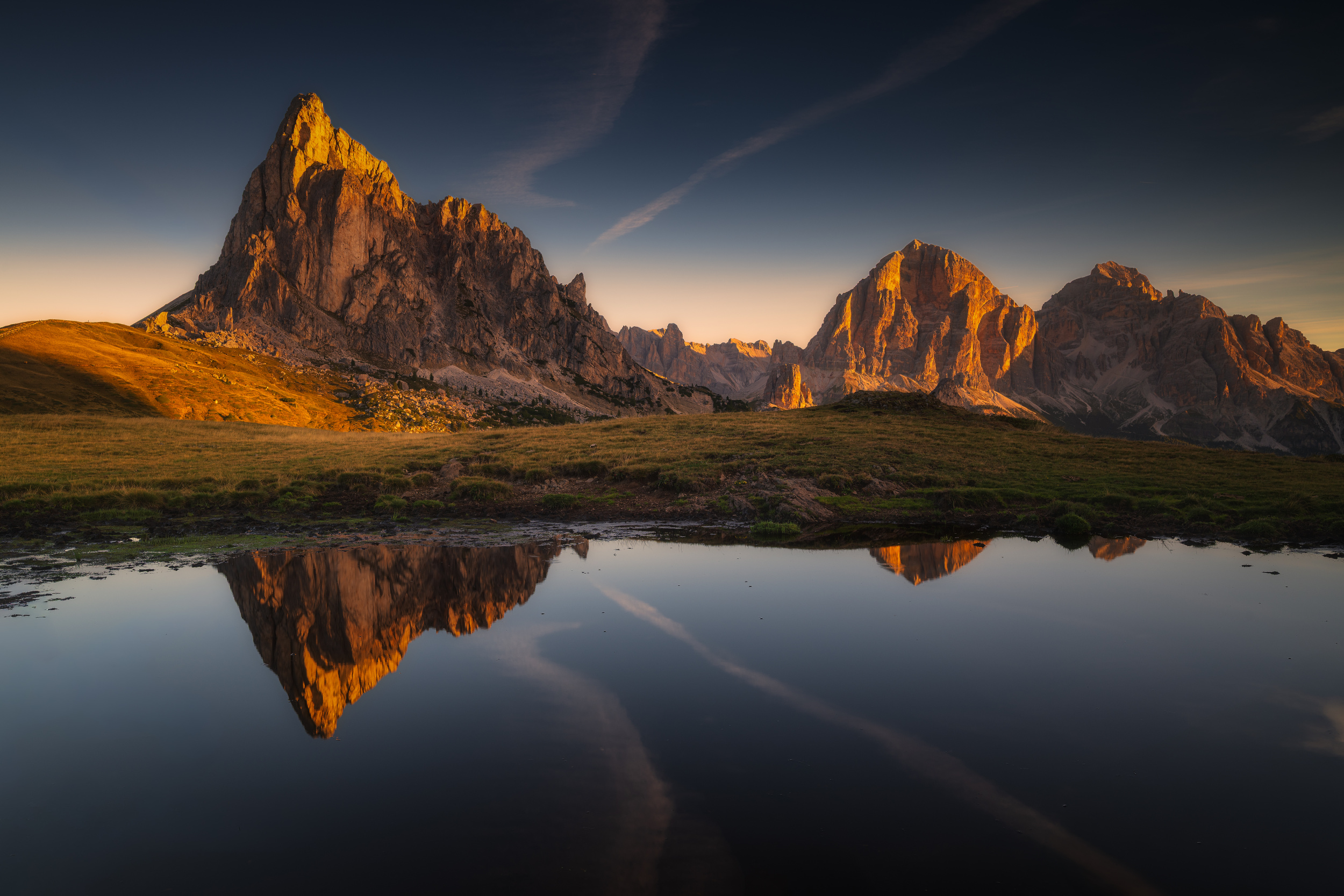
"THE GOLDEN SILENCE" by Adam Pachula
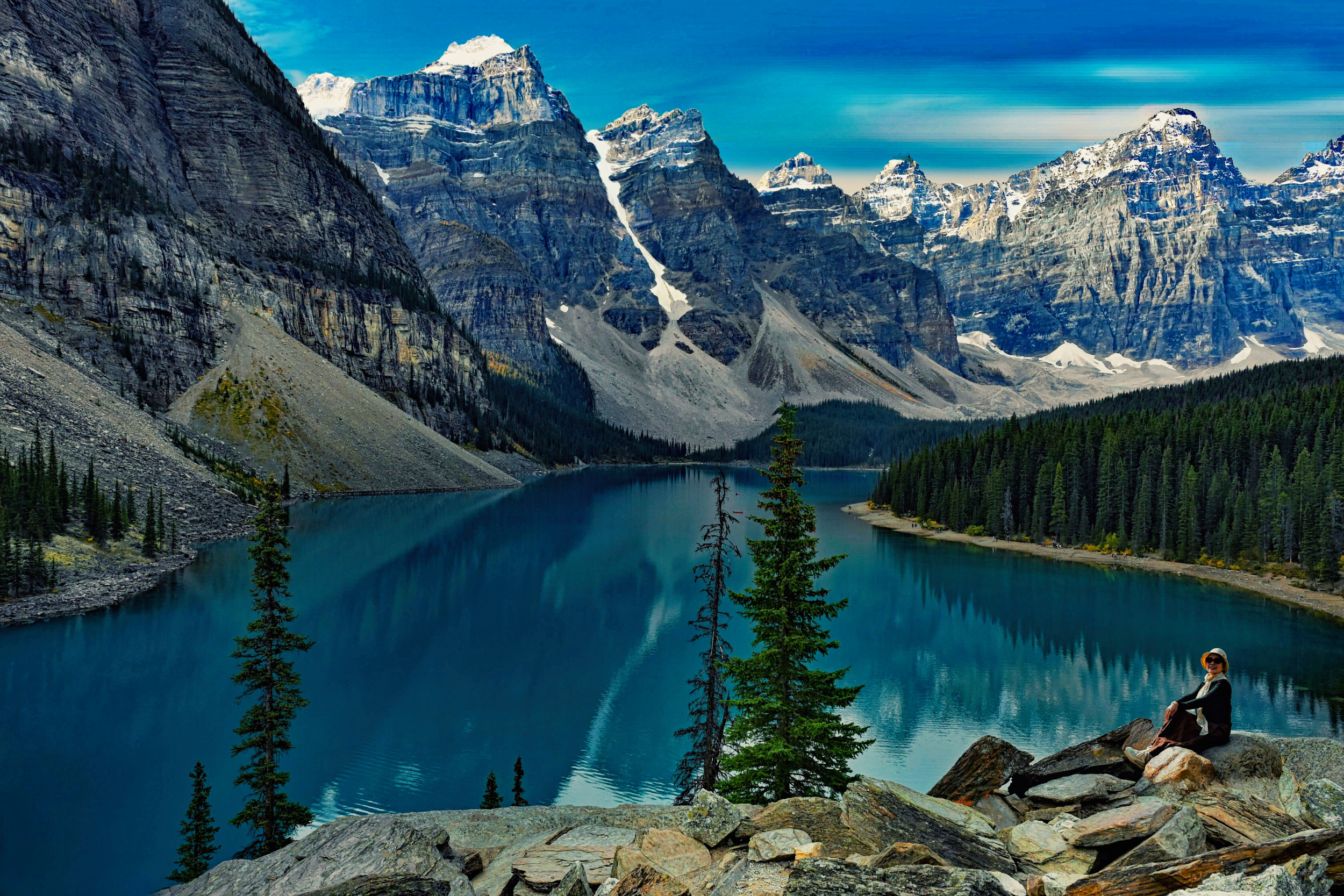
“Relax on lake” by Miro Susta
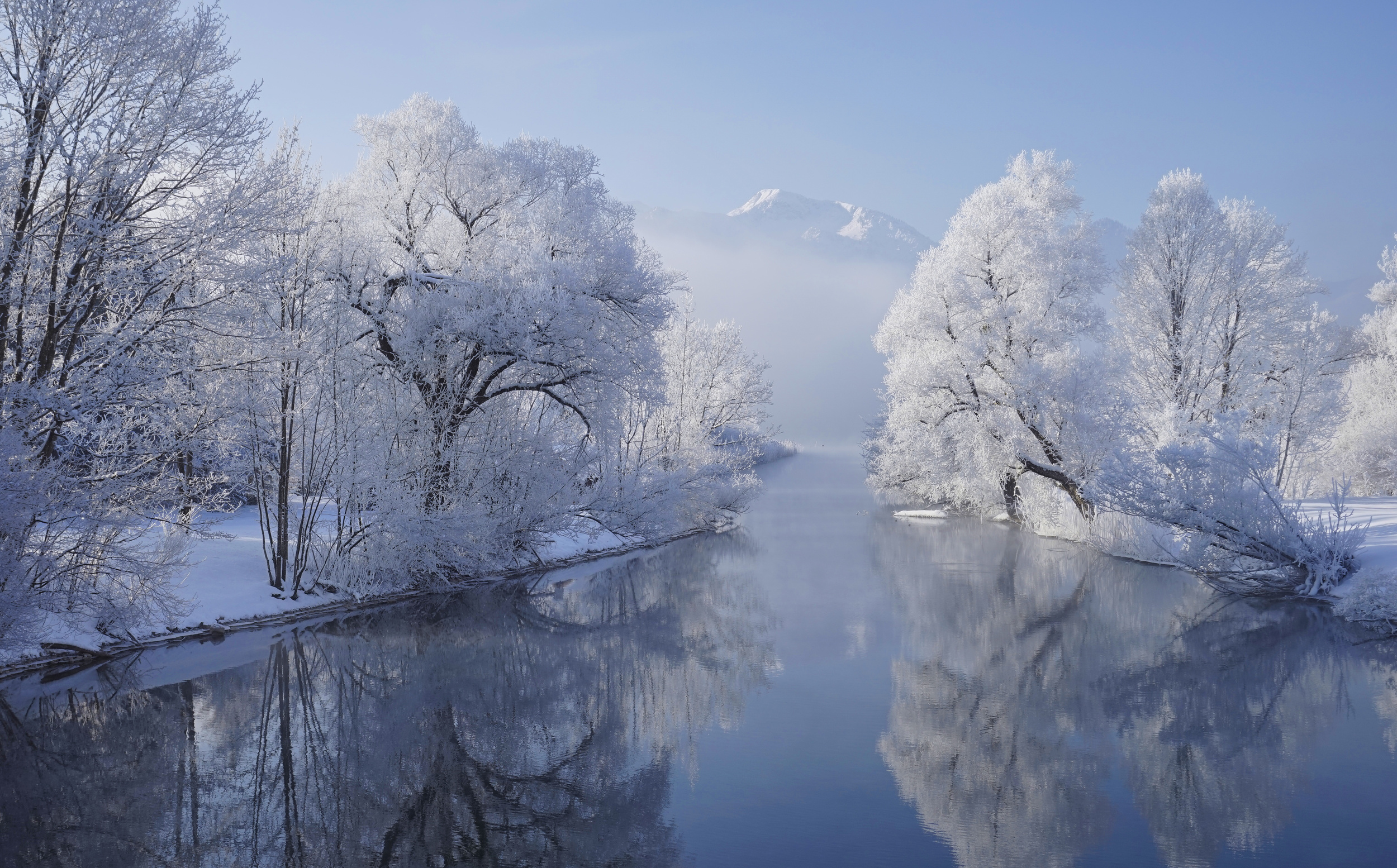
“coldest morning” by Norbert Maier
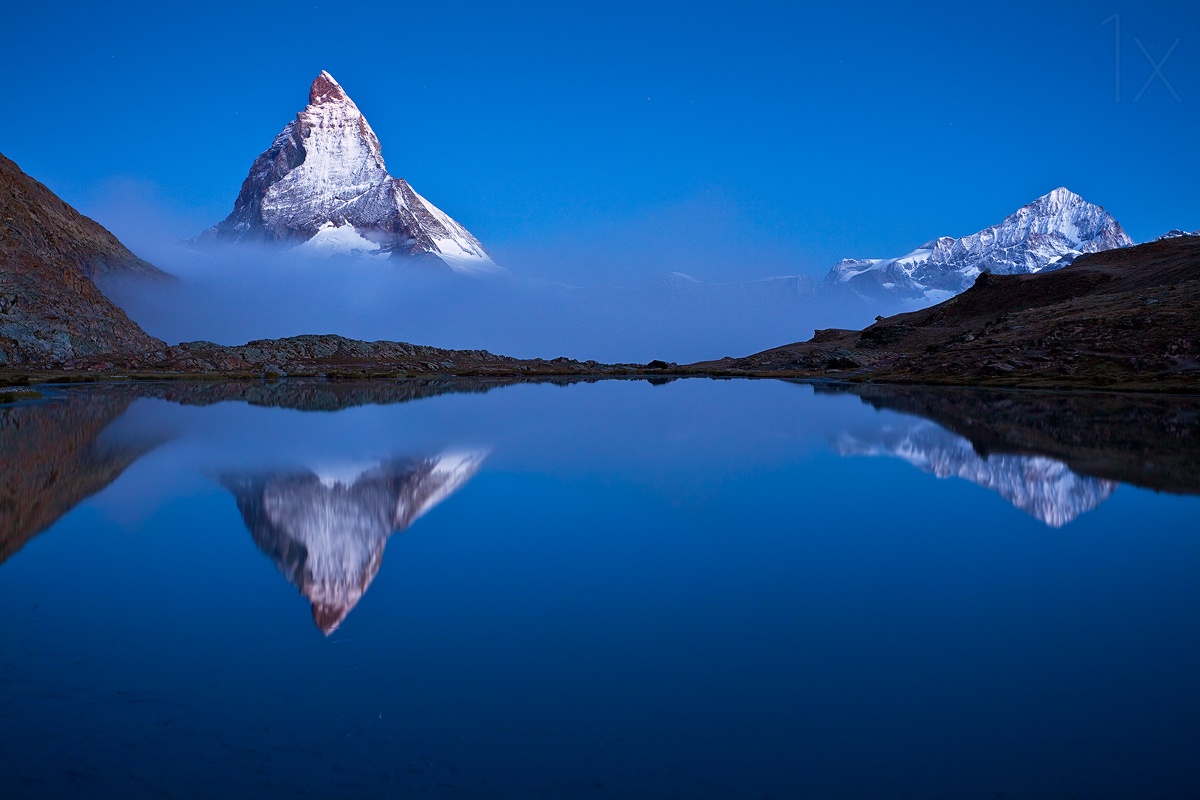
“Night Mirror” by Szabo Zsolt Andras
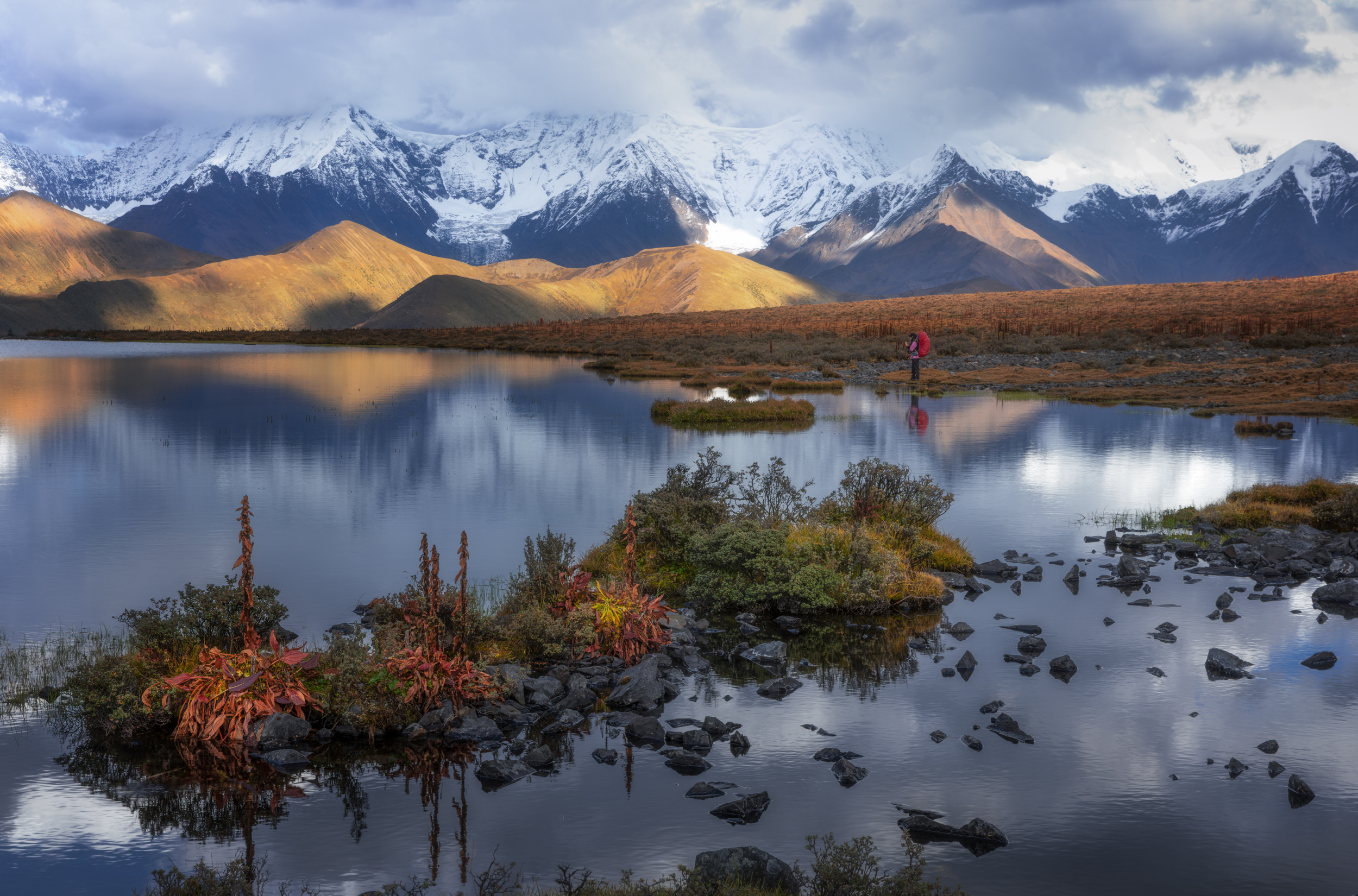
“A Human Presence in Autumn Waters” by YANGYING
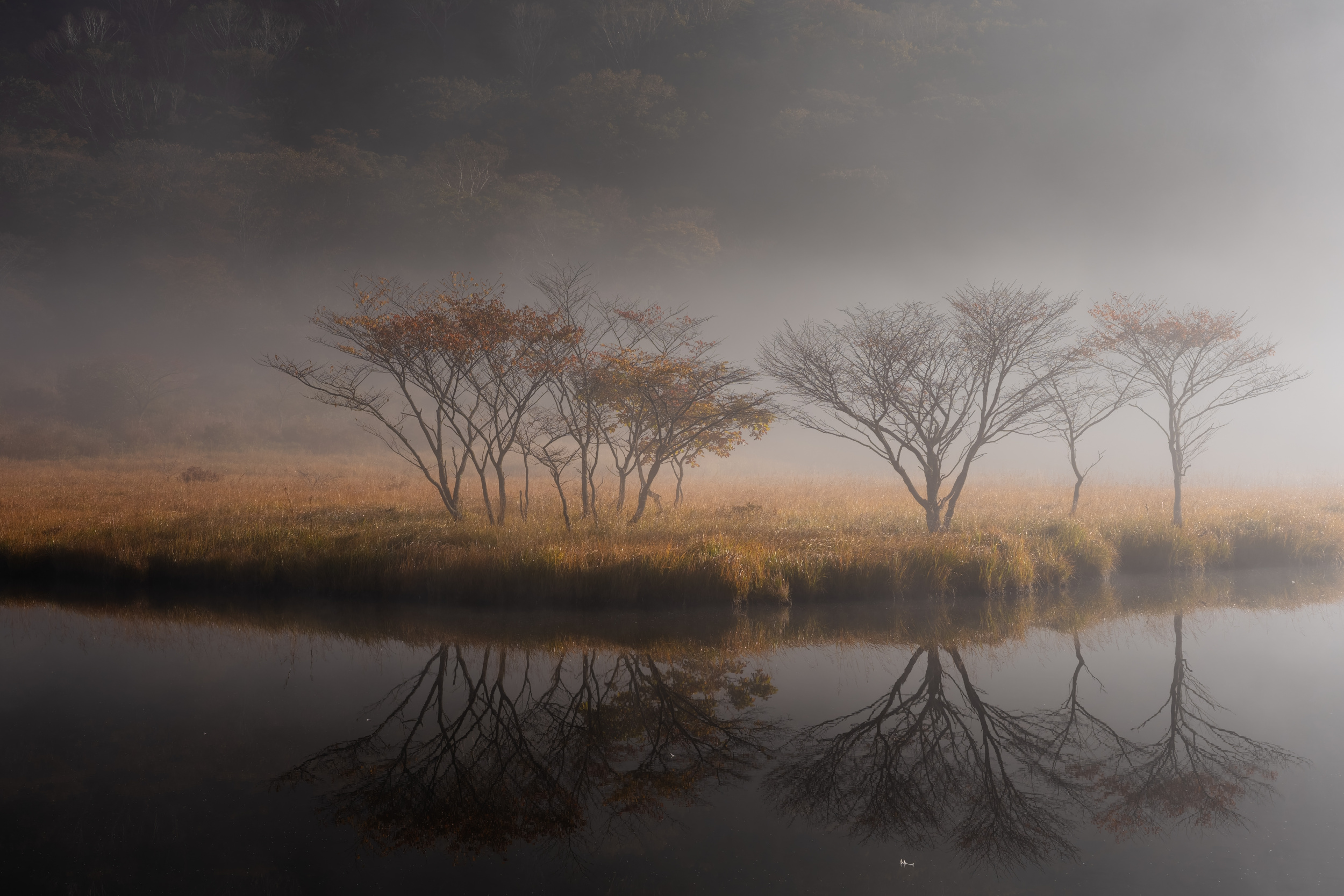
“Autumn Stillness” by Shungo Yamamoto
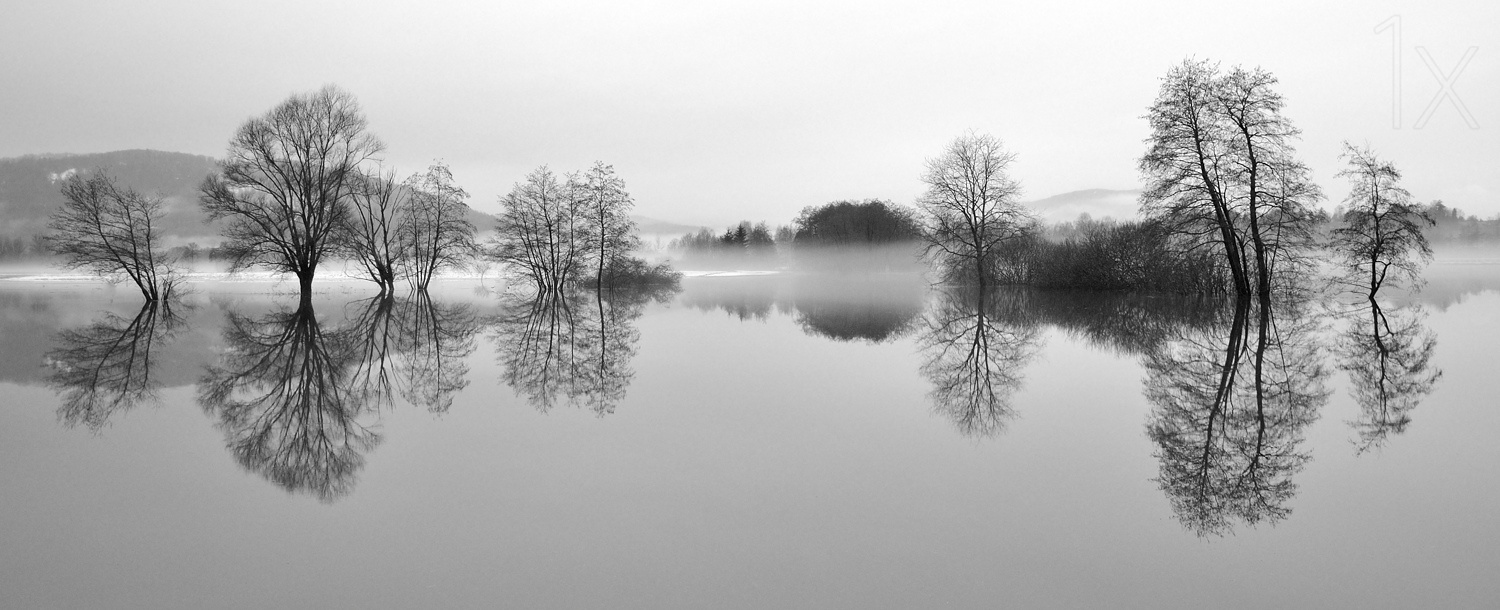
“Reflection” by Iztok Besedic
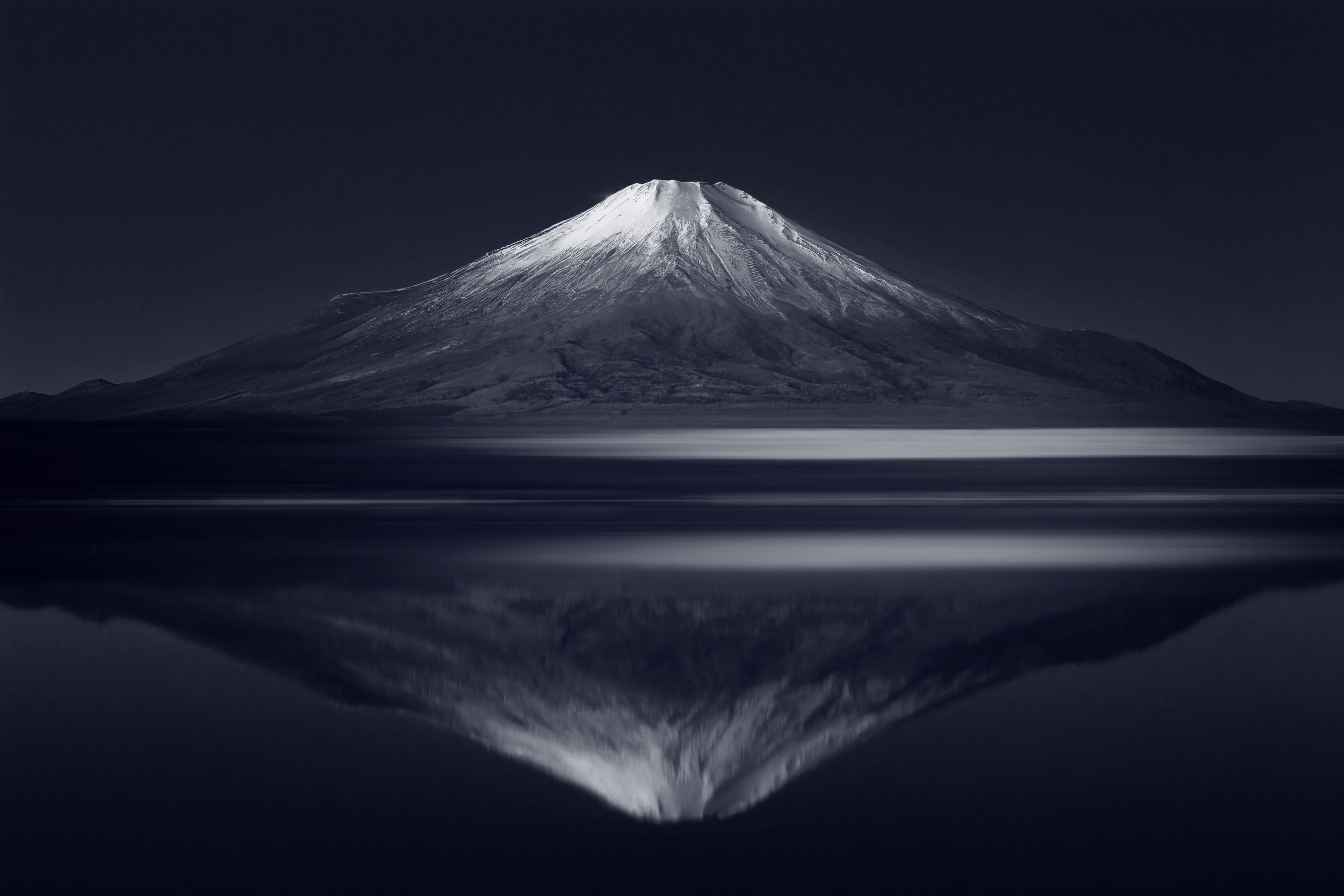
“Reflection Mt. Fuji” by Takashi Suzuki
Photographing reflections requires mindfulness and patience. A mirror-smooth lake invites you to pause and capture the tranquil beauty of nature rather than simply applying technical skills. Nature creates the most beautiful works of art – you just have to press the shutter button at the right moment.
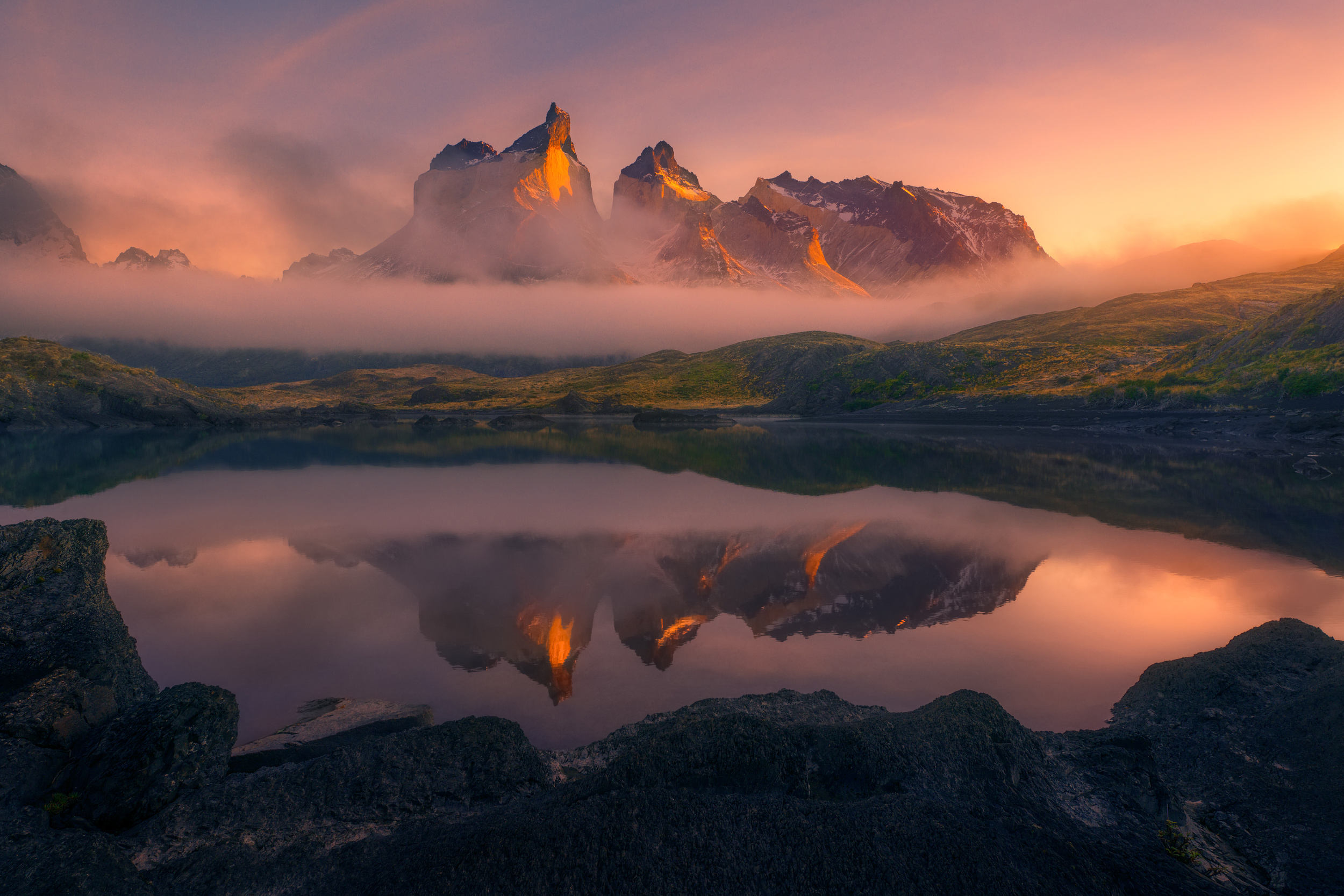
“Eternity” by Chris Moore
Please refer also to my related article Reflection Photography published in 1x-Magazine in June 2026.
 | Write |
 | Christof Müller PRO Thank you for this inspiring "reflection" about reflections on the water surfaces illustrated by stunning photographs from talented photographers. A beautiful reminder of how reflections can offer fresh perspectives and deepen our experience of nature and landscapes. |
 | Angelika Vogel PRO Excellent views to outstanding, impressive compositions and mood! Congratulations on all of artists! |
 | Giampiero Maffulli PRO Great work in every view and brilliant photos, thank you. |
 | Yongnan Li (李永男) PRO Thank you Yvette and Miro to choose my 2 shots on this wonderful magazine. Love it so much.. |
 | Rana Jabeen PRO A perfect title for a wonderful article, excellent collection of images Thank you Miro and Yvette |
 | Alexander Kiyashko PRO Thank you for publishing! Thank you Yvette and Miro! |
 | Svetlana Povarova Ree PRO Magnificent images and brilliant work! Thank you for sharing and thank you Yvette and Miro! |
 | Greetje van Son PRO My compliments for all the photographers. What a joy to look at these beauties. Thank you for sharing and thanks for publishing! |
By Editor Jane Lyons
Edited and published by Yvette Depaepe, the 23rd of October 2027
“My feet can't stop dancing. The rest of me is exhausted.”
(overheard on a NYC subway)
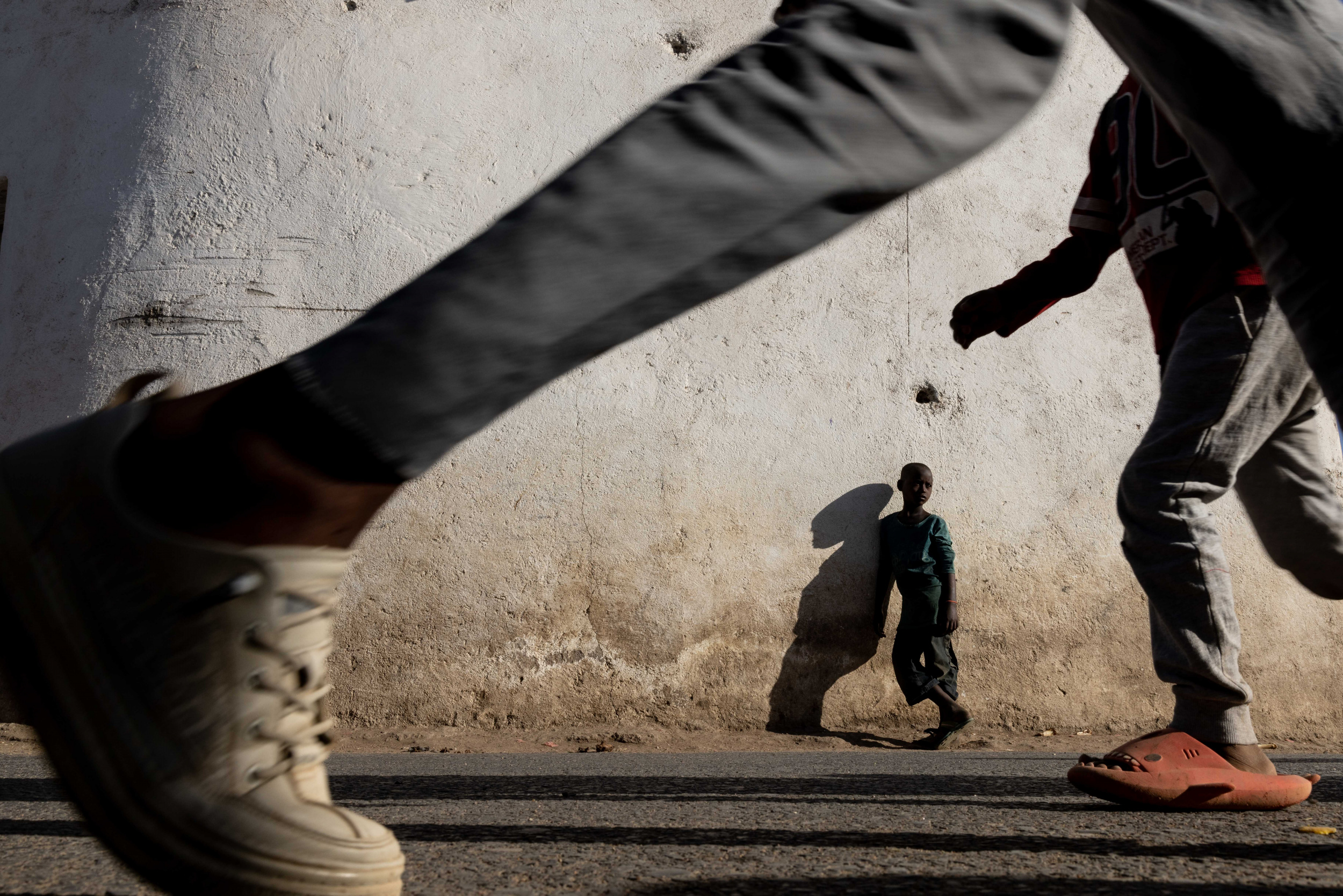
“Perspective” by Ella Waldman
Is anyone looking for something interesting to photograph?
Try looking down. There's a whole world of photographic possibilities right under your feet!
Take Matt Stuart's photograph of Trafalgar Square, for example. By getting his camera down to pavement level, he transformed an ordinary pigeon into the star of a wonderfully amusing street scene. The bright red feet strutting across the foreground, with pedestrians hurrying along behind them, transform an ordinary moment into something extraordinary.

That's the beauty of looking down.
Feet are always up to something.
They dance, dangle, tiptoe, stomp, shuffle, and occasionally find themselves in the most unexpected places.
They can reveal character, suggest a story, or transform an ordinary scene into a visual joke.
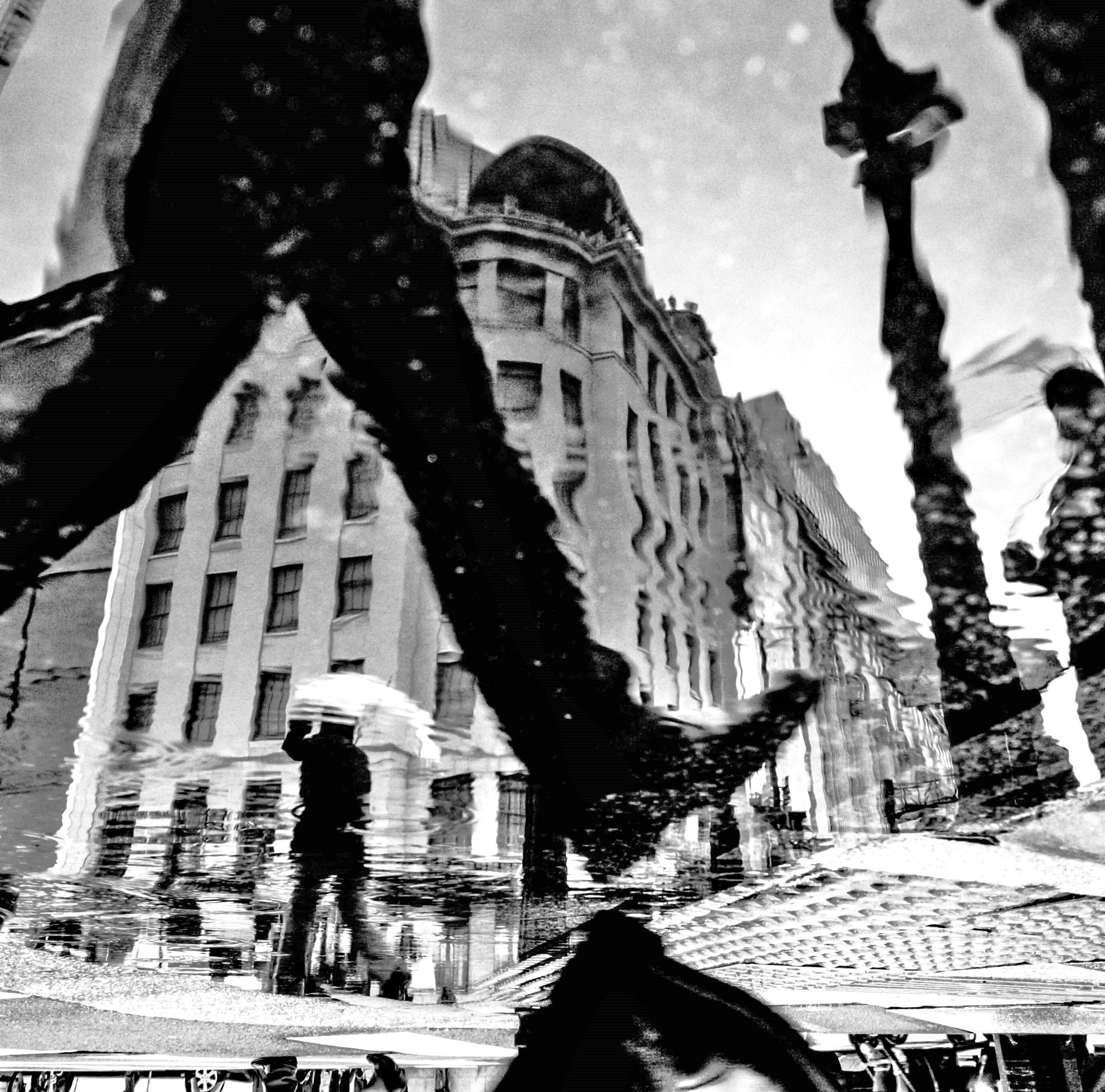
“The city of puddles” by Masahiro Miyagi
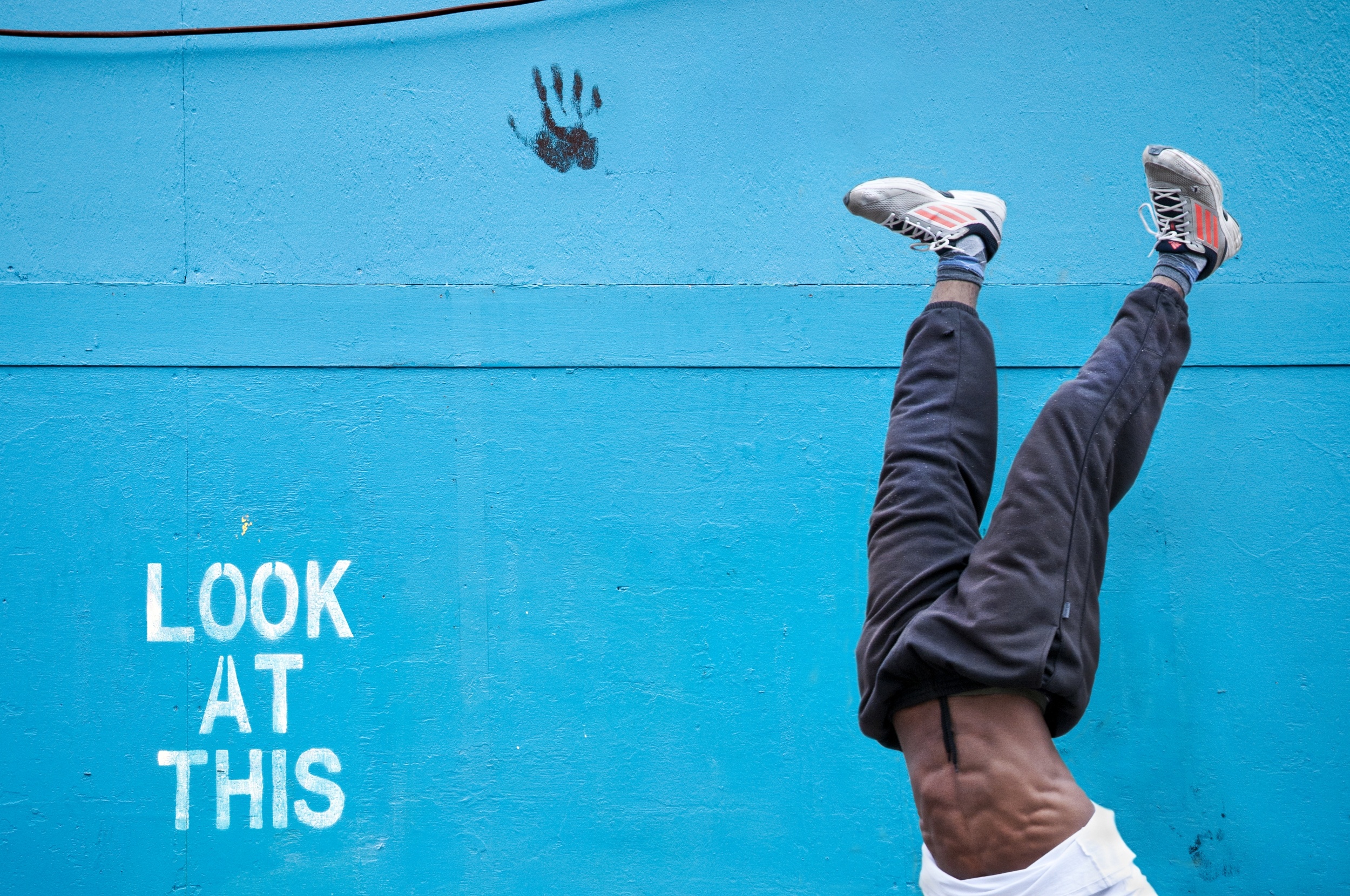
“Look at this” by Linda Wride
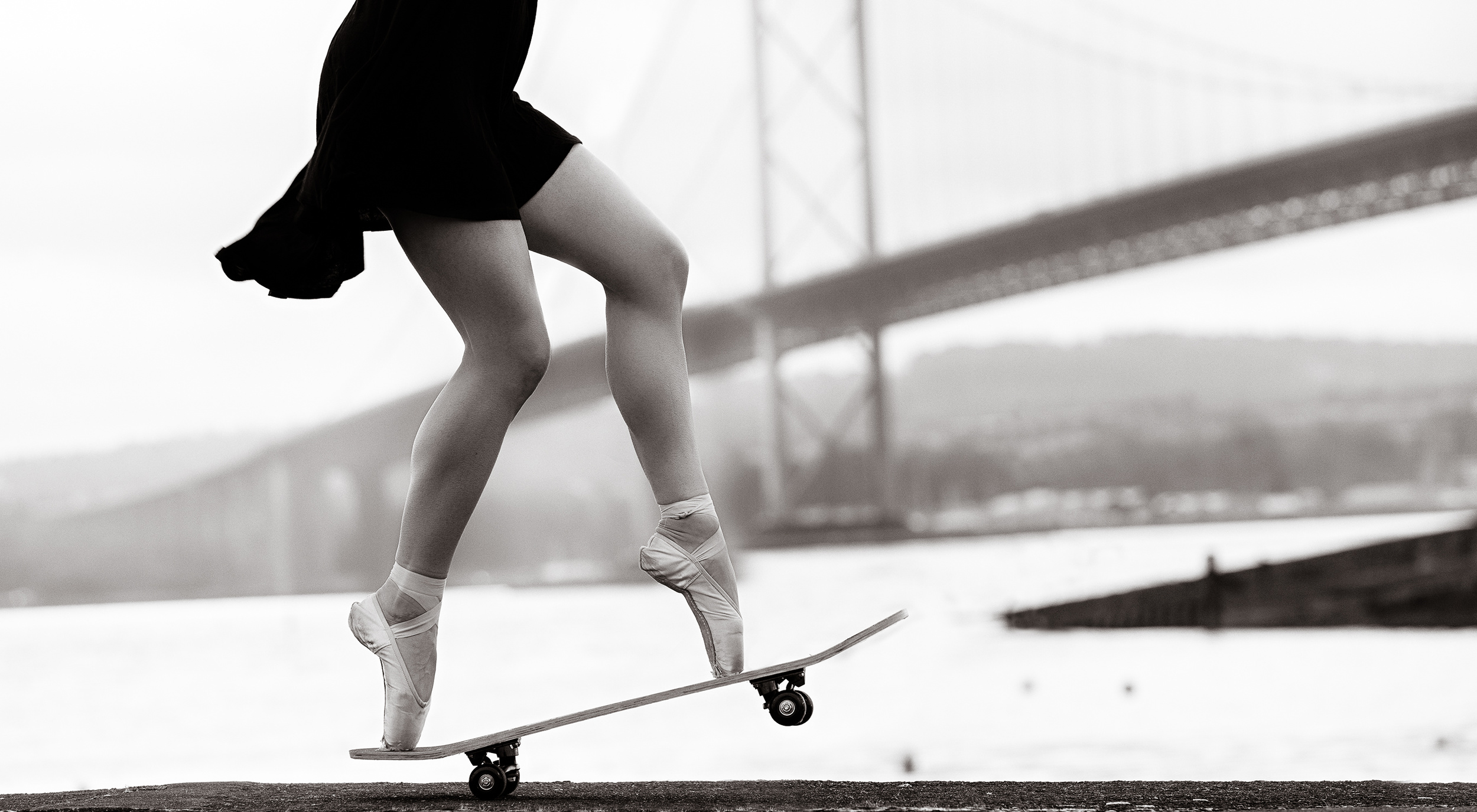
“Skater Girl” by Howard Ashton-Jones
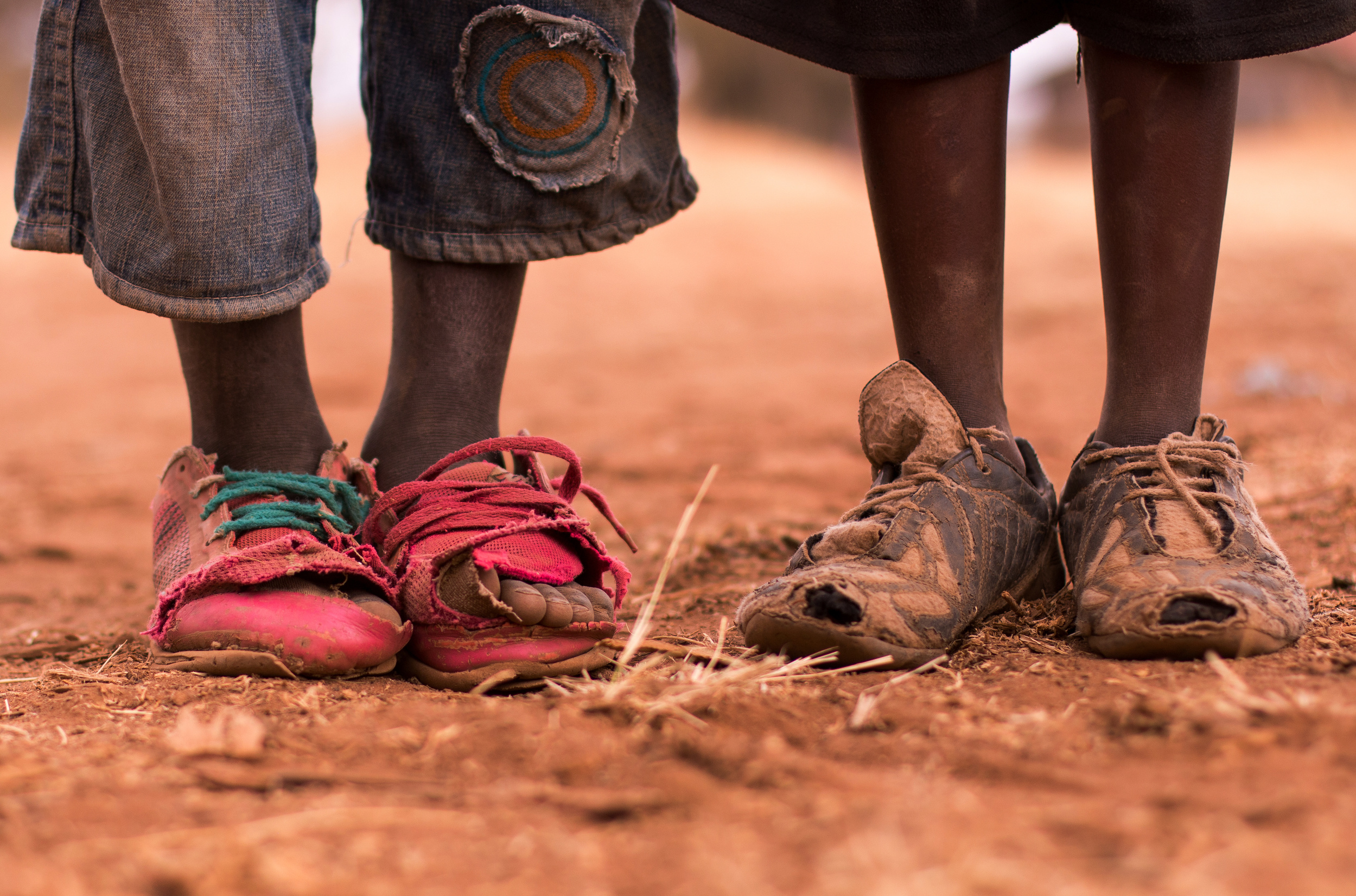
“Can you wear my shoes?” by Stefan Miron
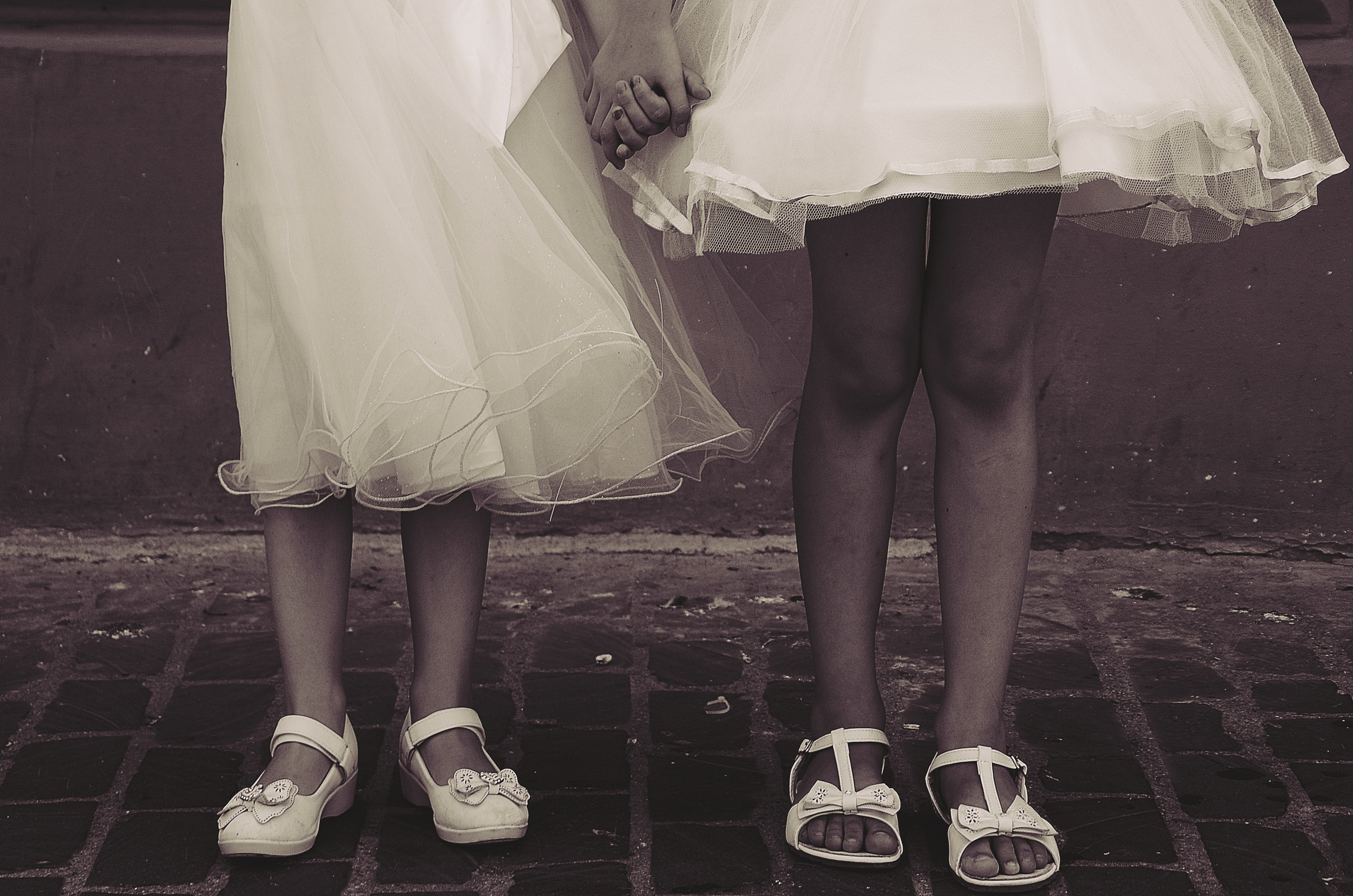
“Sisters” by Aniela Rusu
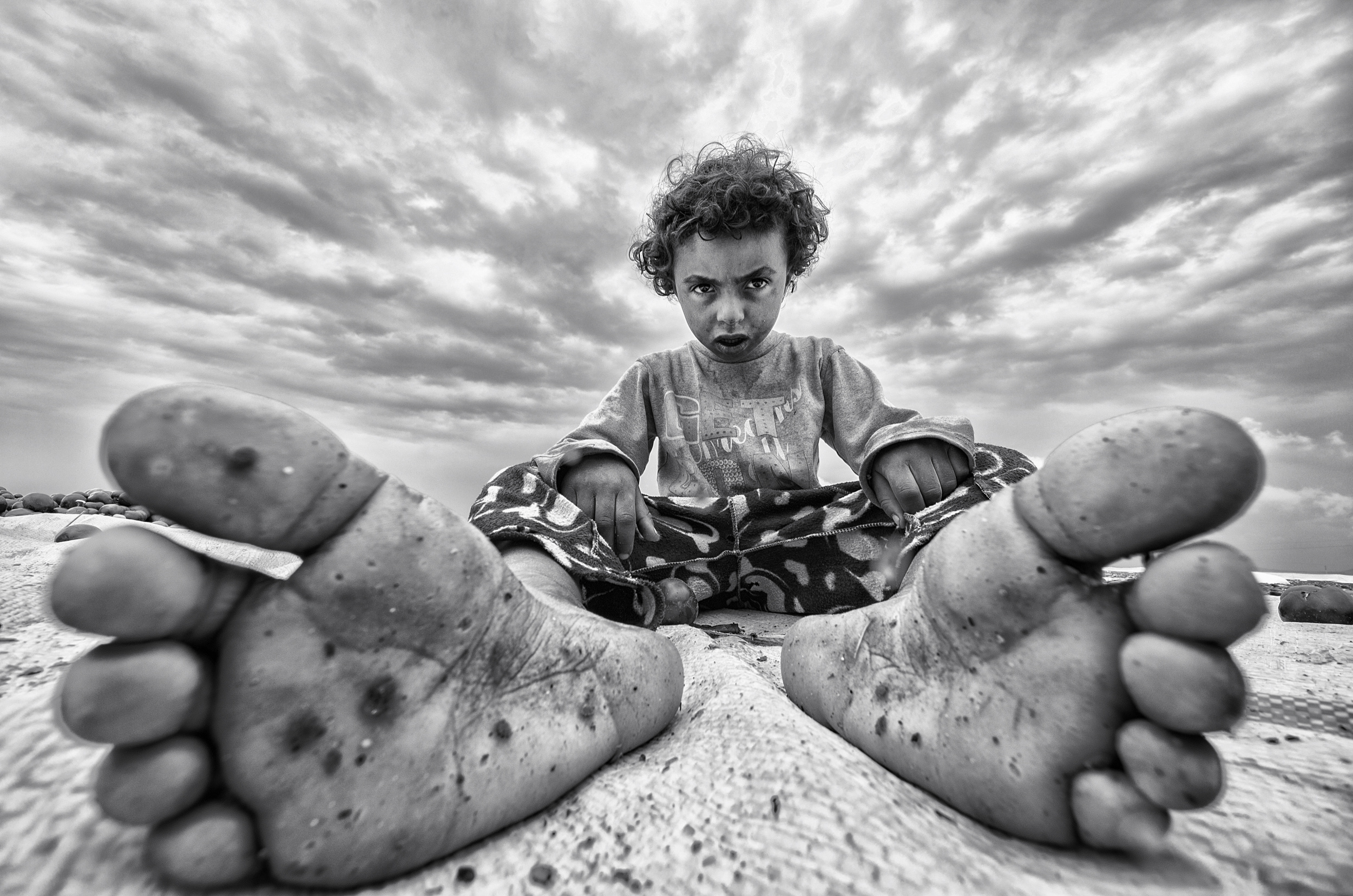
“Seasonal workers” by Emir Bagci
A change in perspective.
We spend so much time looking straight ahead that we forget about the world below our knees. Feet have a life of their own. They hurry, hesitate and wander off, occasionally landing us in hot water. If you get down to their level with your camera, even the most ordinary pavement can suddenly become a stage for something extraordinary.
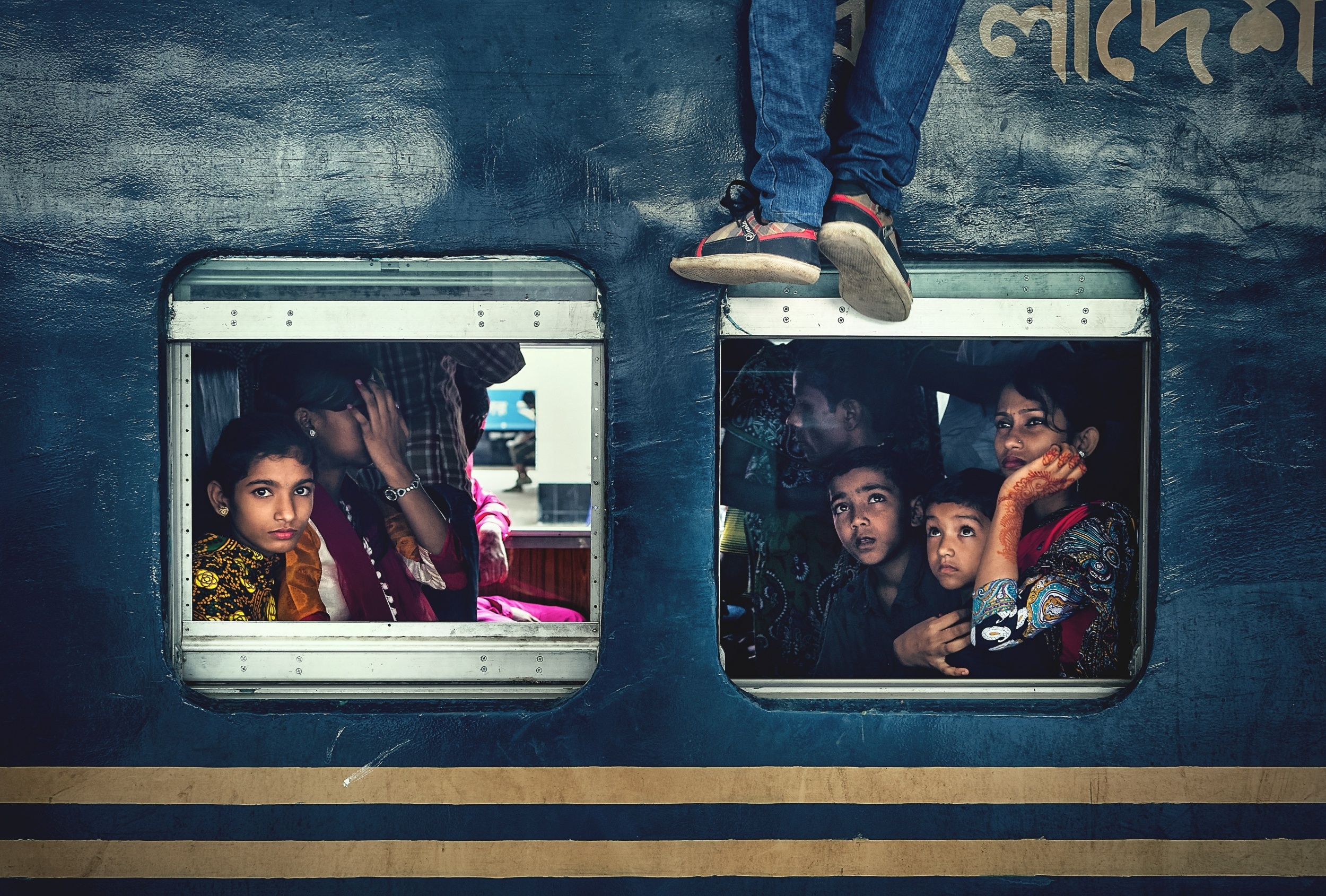
“Window Stories” by Rahat Amin
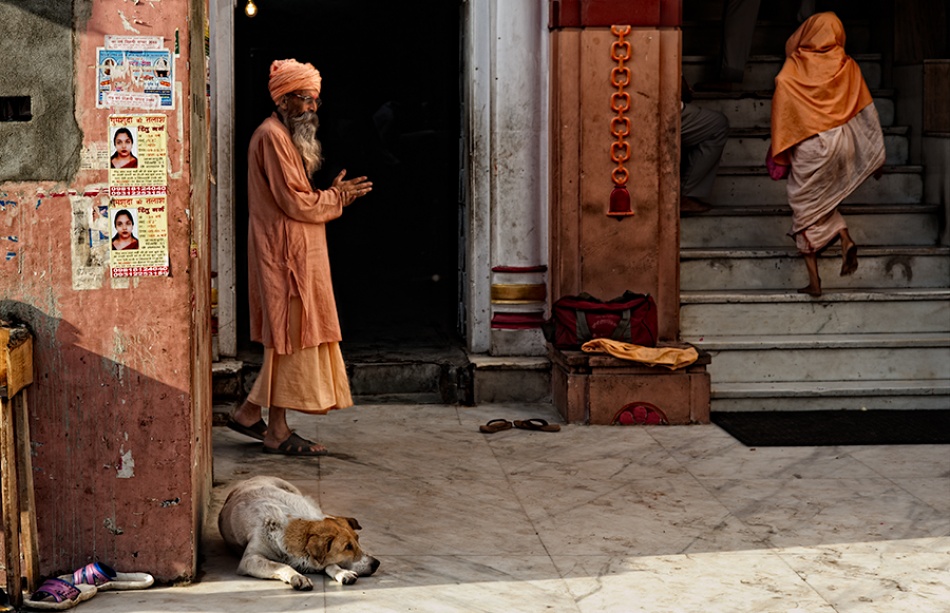
“Happy Feet” by Prateek Dubey
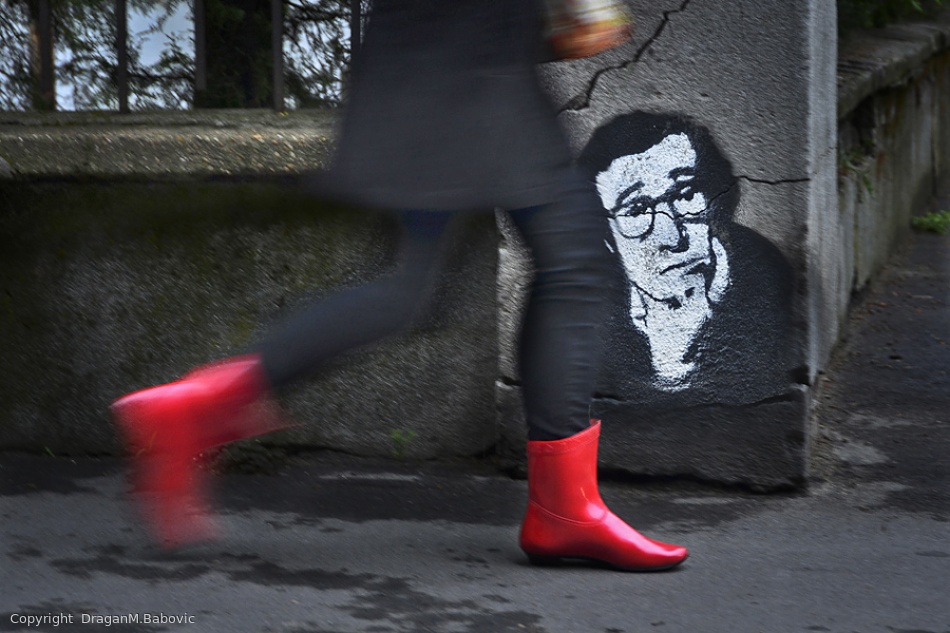
“Red Boots” by Dragan M. Babovic
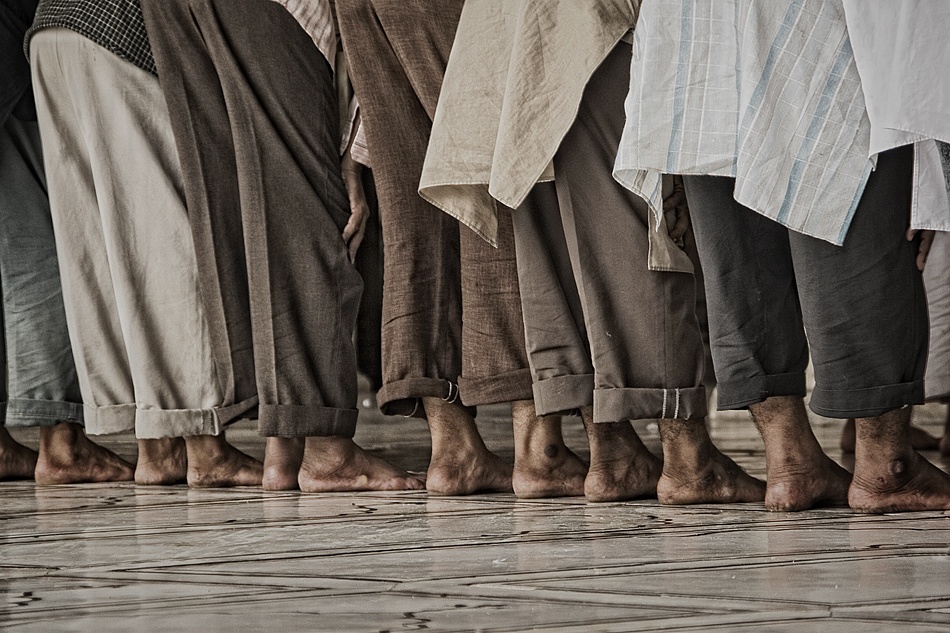
“Praying” by Ulrike Morlock-Fien
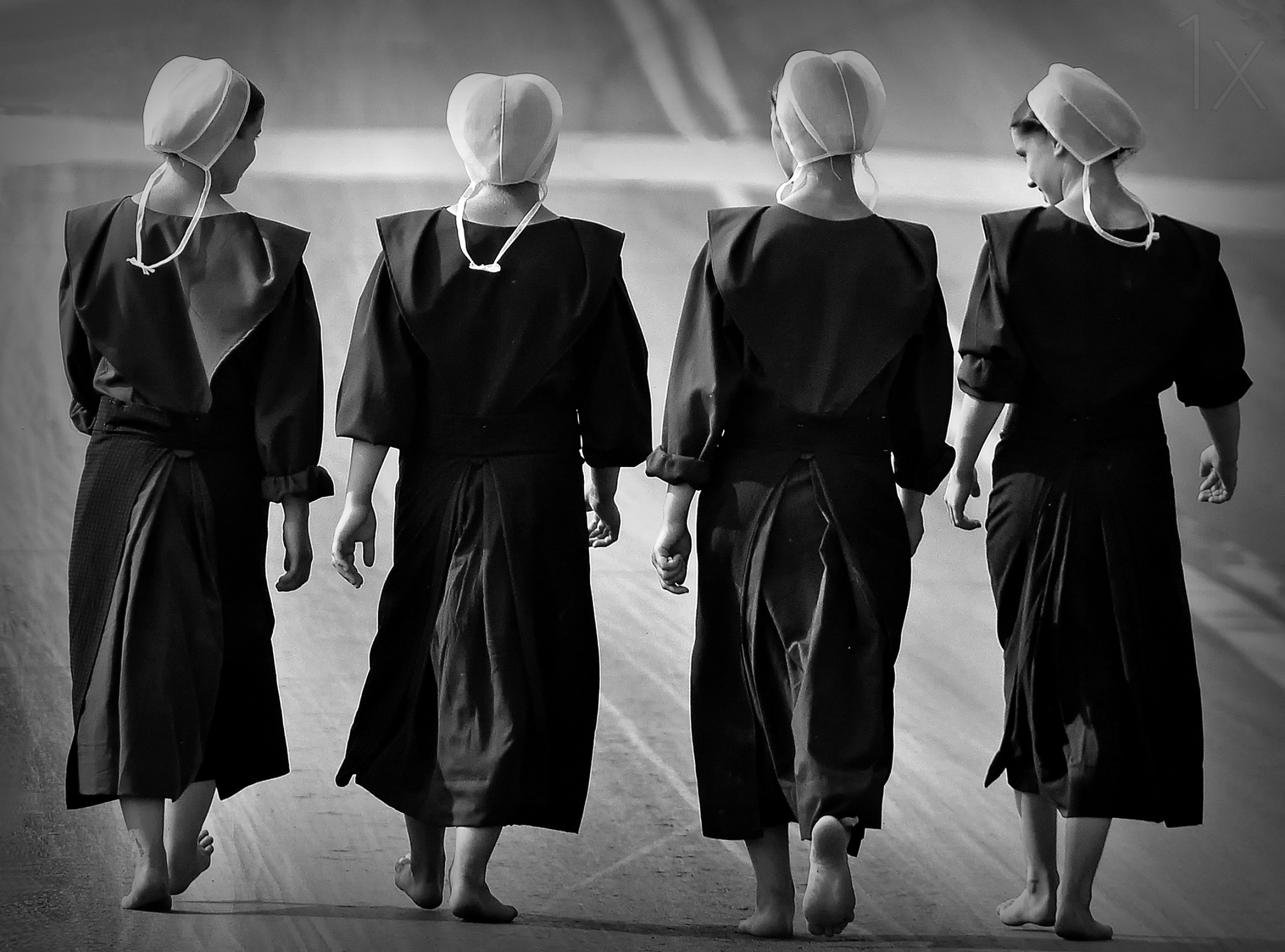
“Barefeet” by Jane Lyons
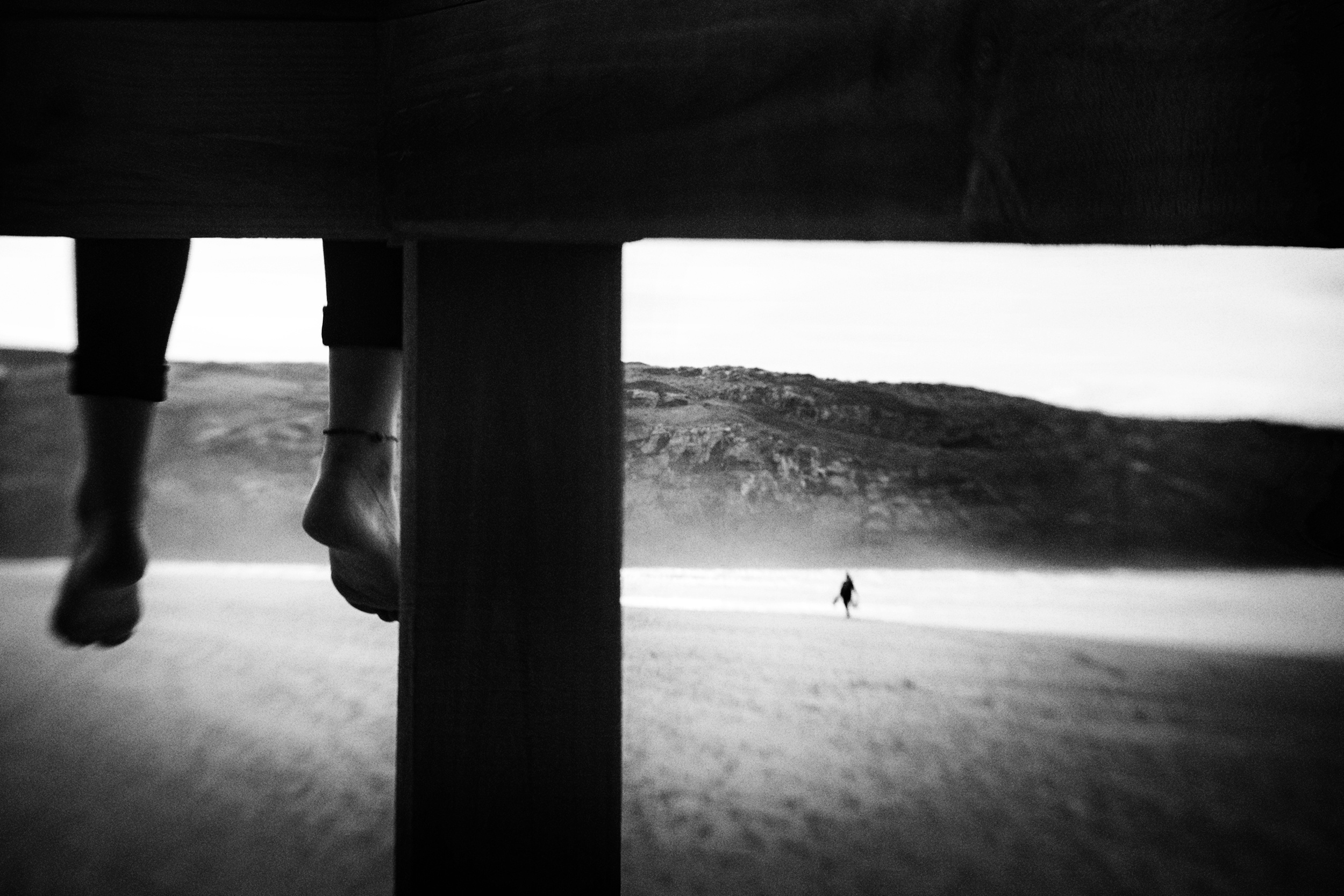
“None But The Lonely Hearts” by Laura Mexia
Scuffed sneakers, polished boots, impossibly high heels and a pair of well-worn slippers can tell us quite a lot about their owners.
And what about bare feet? They have absolutely nothing to hide. Sometimes you don't need to see a face to know there's a story worth telling.
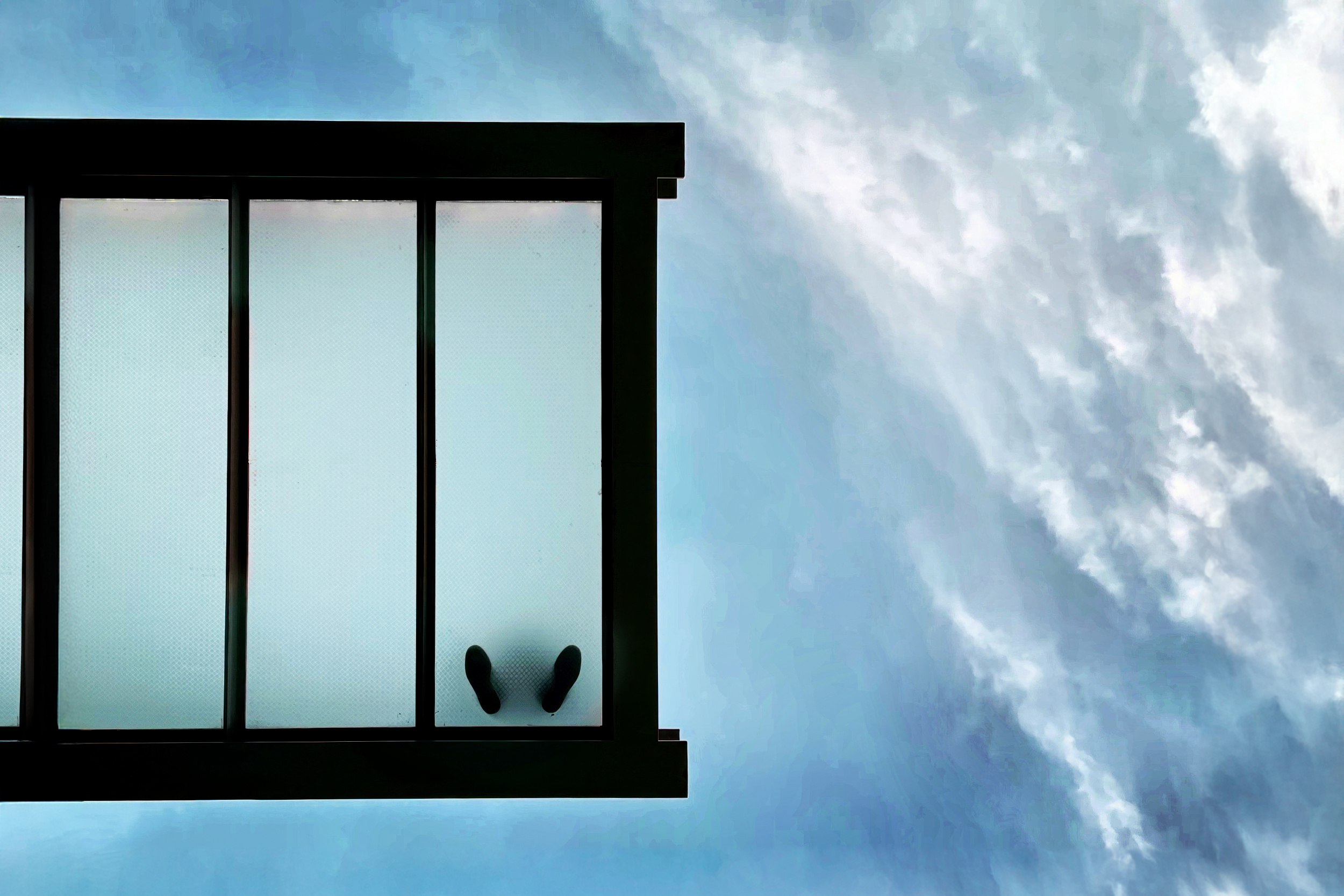
“Two Feet Above” by Rafael L. Bardaji
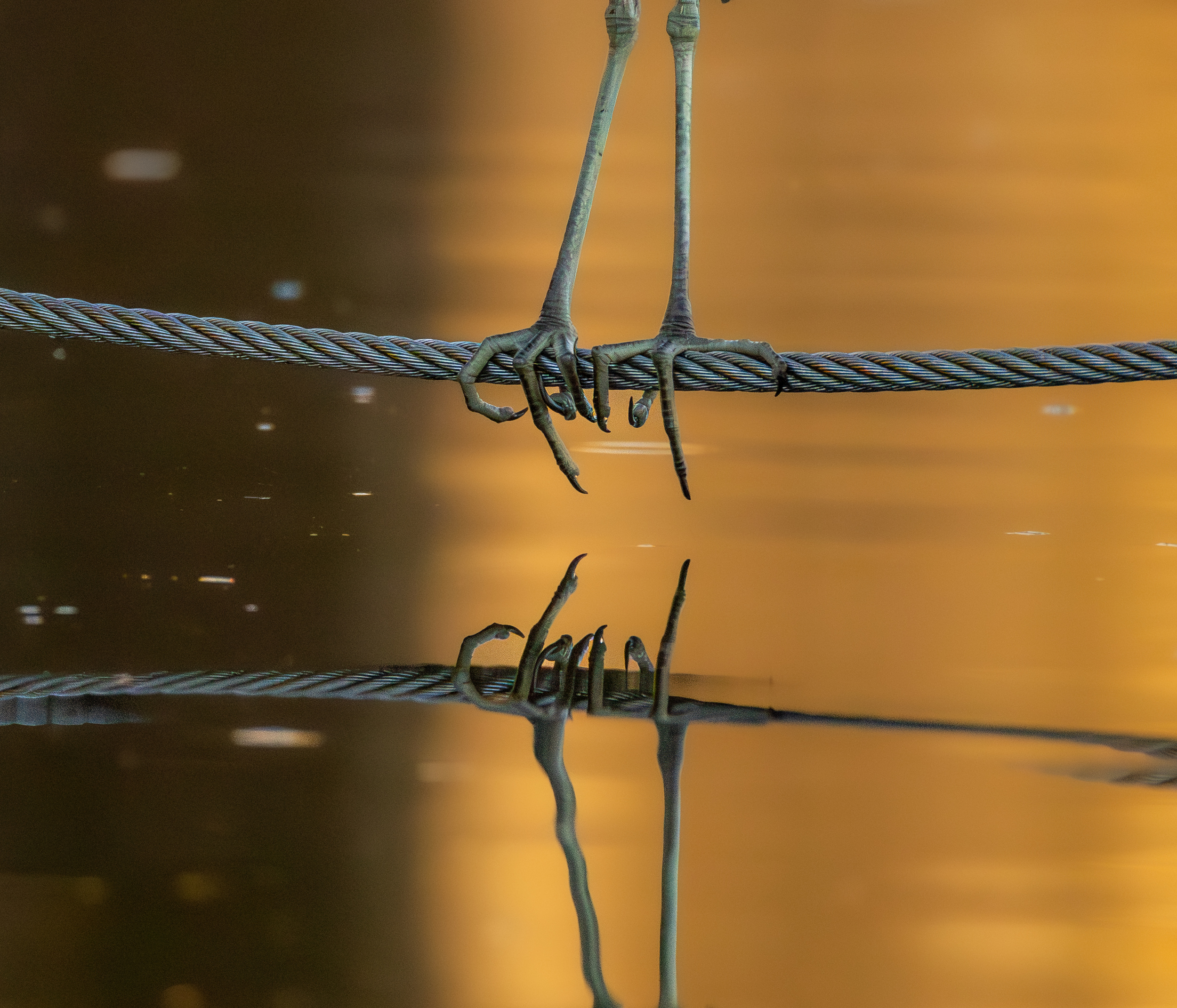
“Cute Feet” by Kayanti Kootz
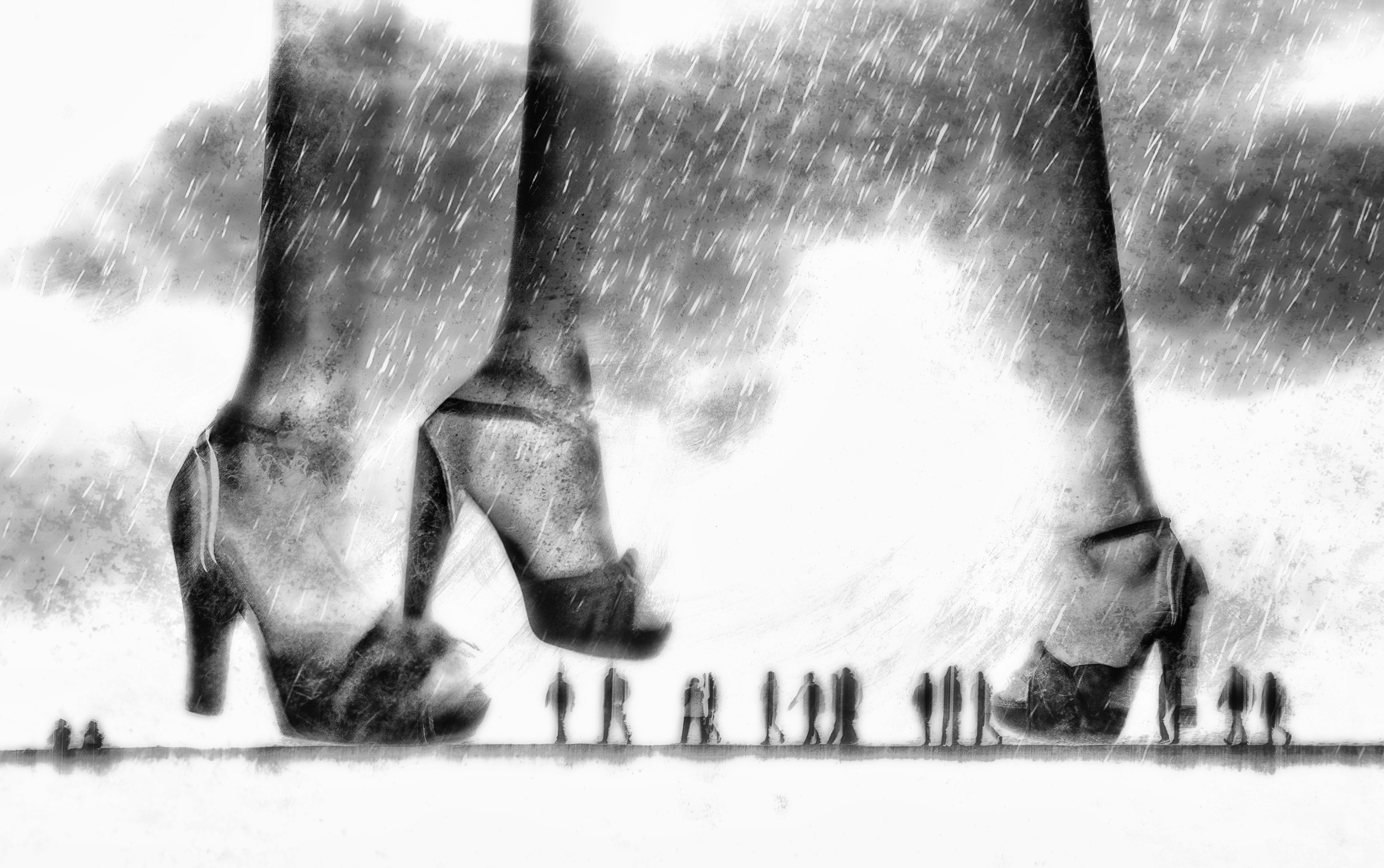
“Ruby Slippers” by The Jar - Geir Jartveit
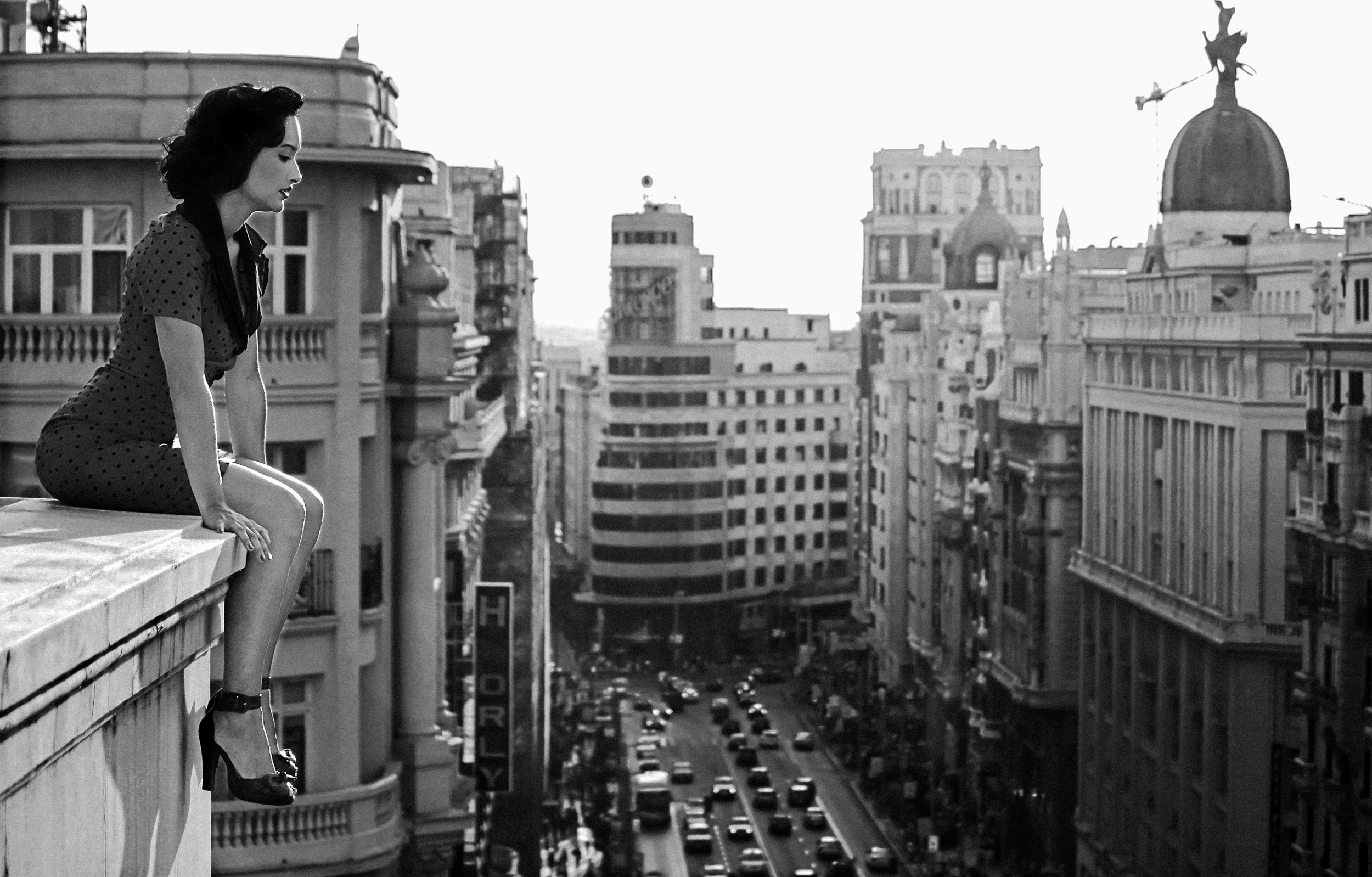
“Mad Madrid” by Alejandro Marcos
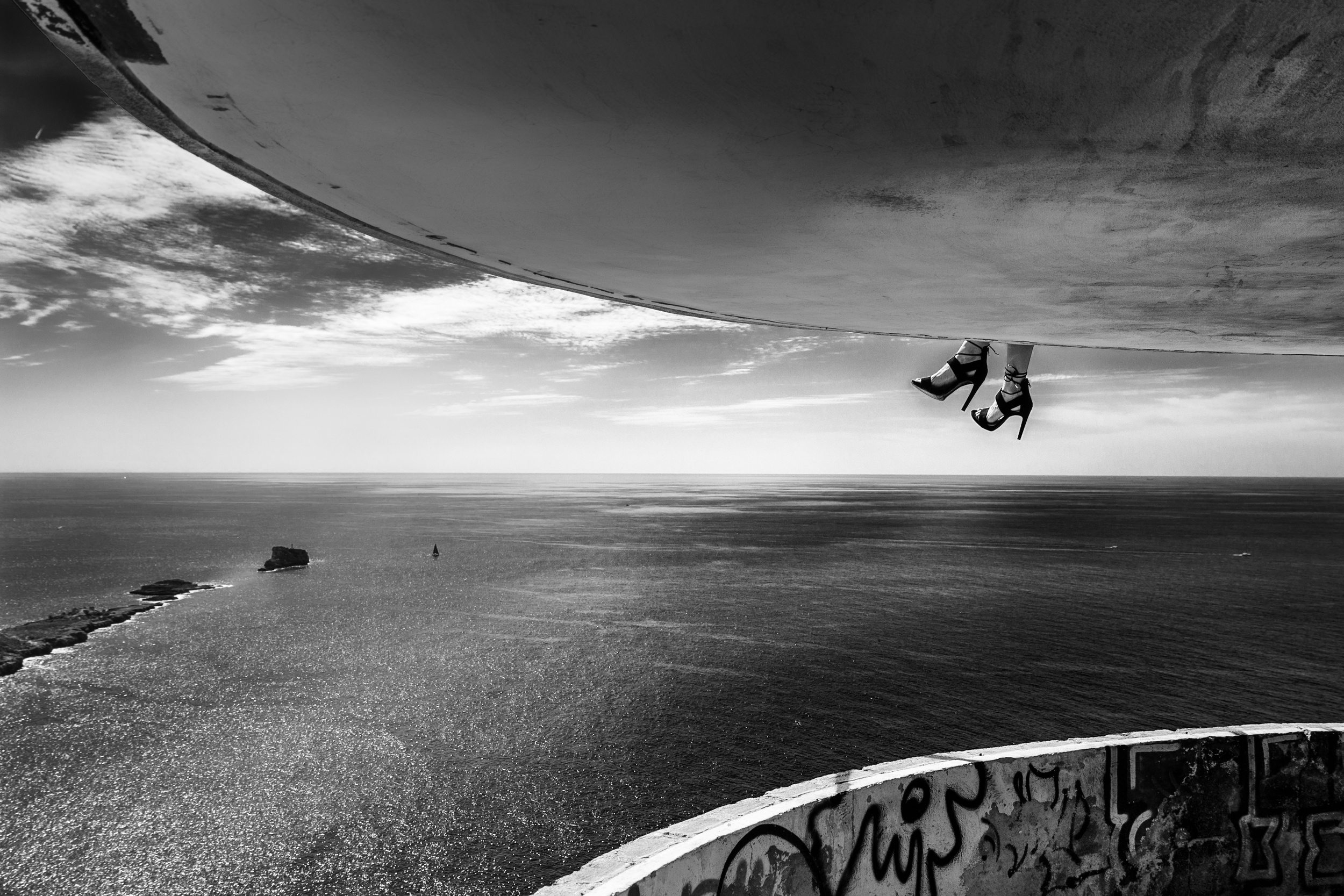
“Dangling Shoes” by Burkhard Achtergarde
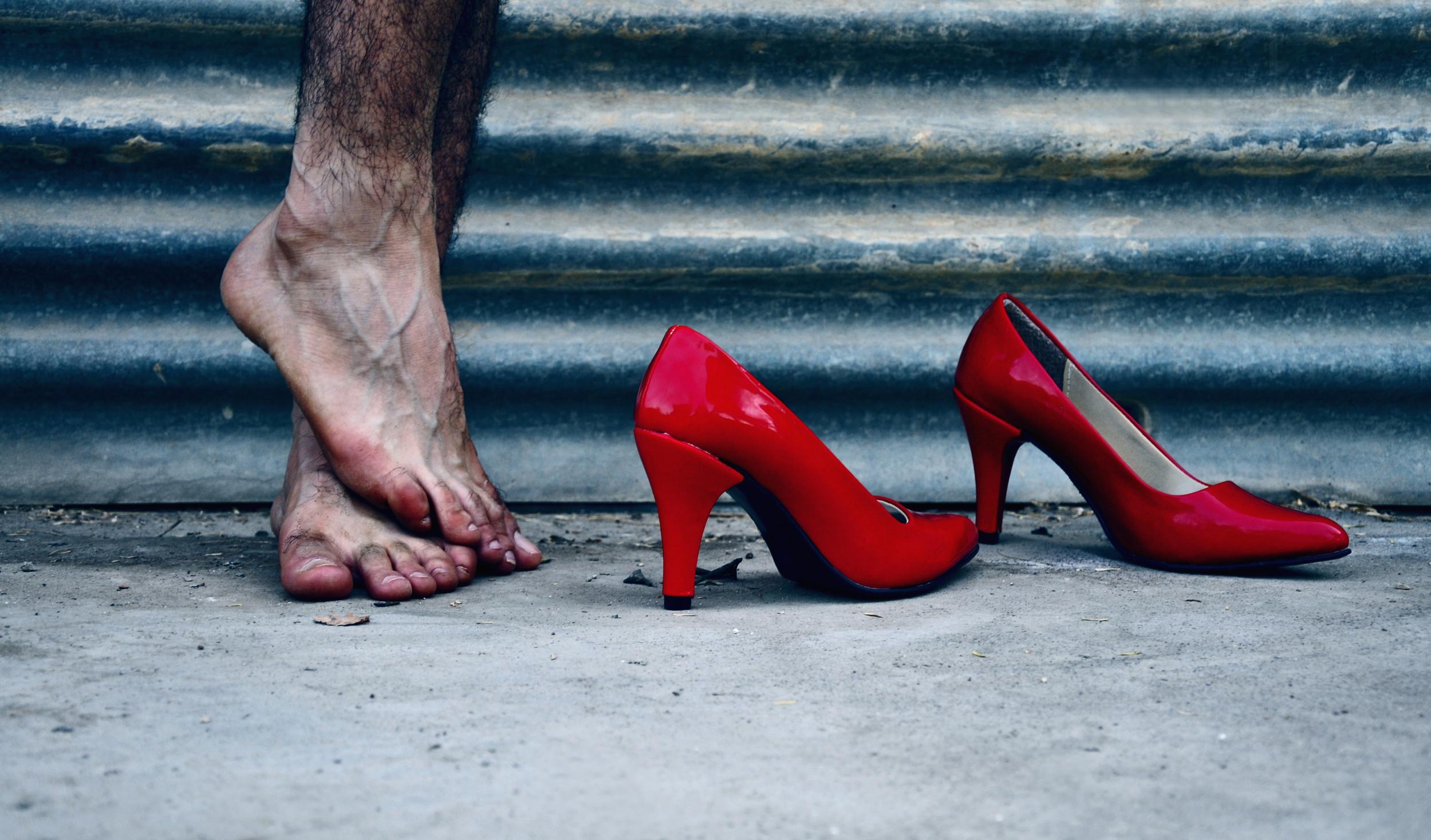
“I’m not male” by Mohsen Etemadifar
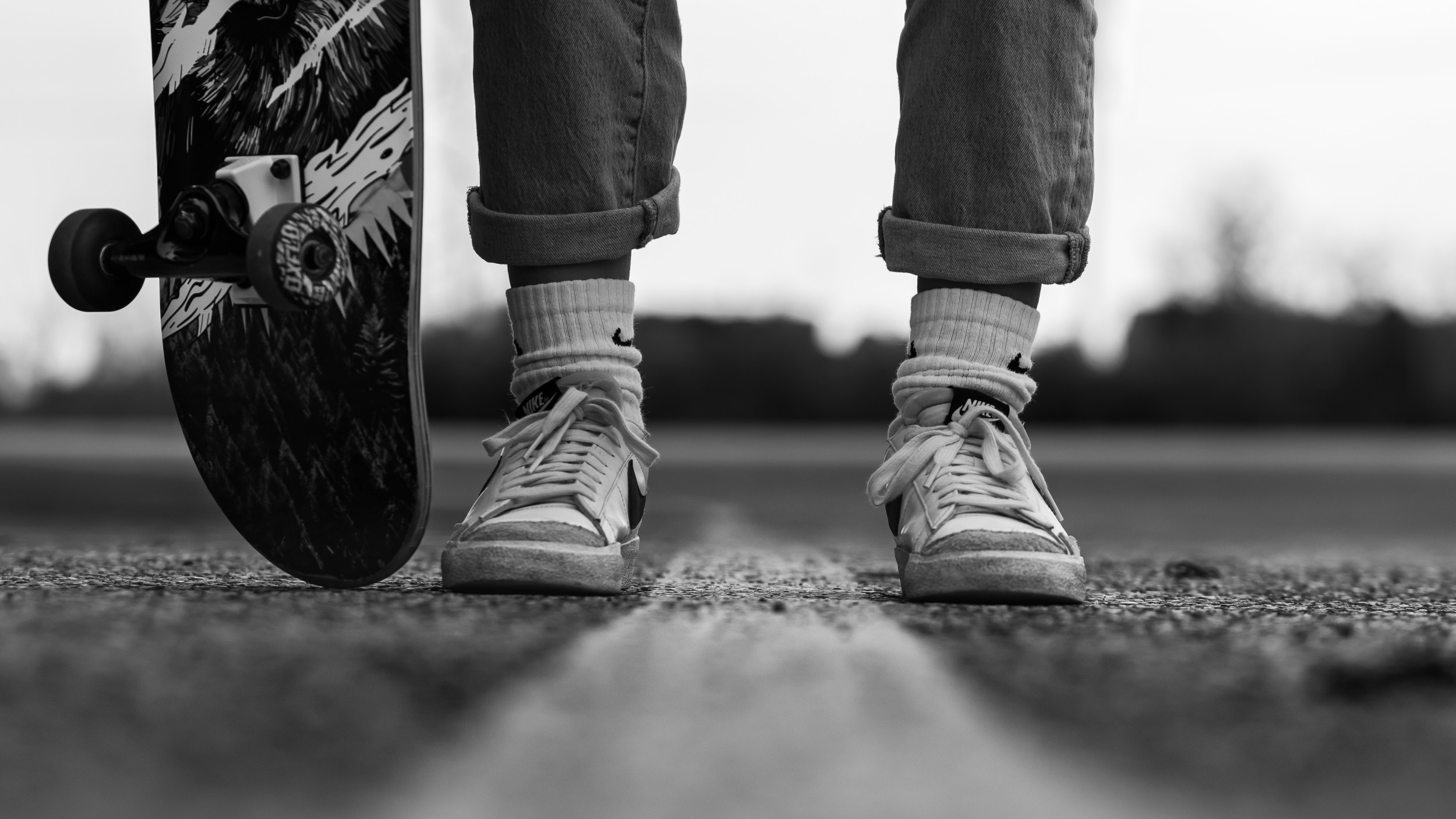
“On the Road” by Laura Marchetti
Feet can play surprisingly good tricks on the eye.
Move your camera a few inches, change your angle, or catch a reflection, and they can appear larger than life, as if floating in mid-air or walking where no sensible foot should tread. Changing your perspective can lead to some wonderfully improbable discoveries.
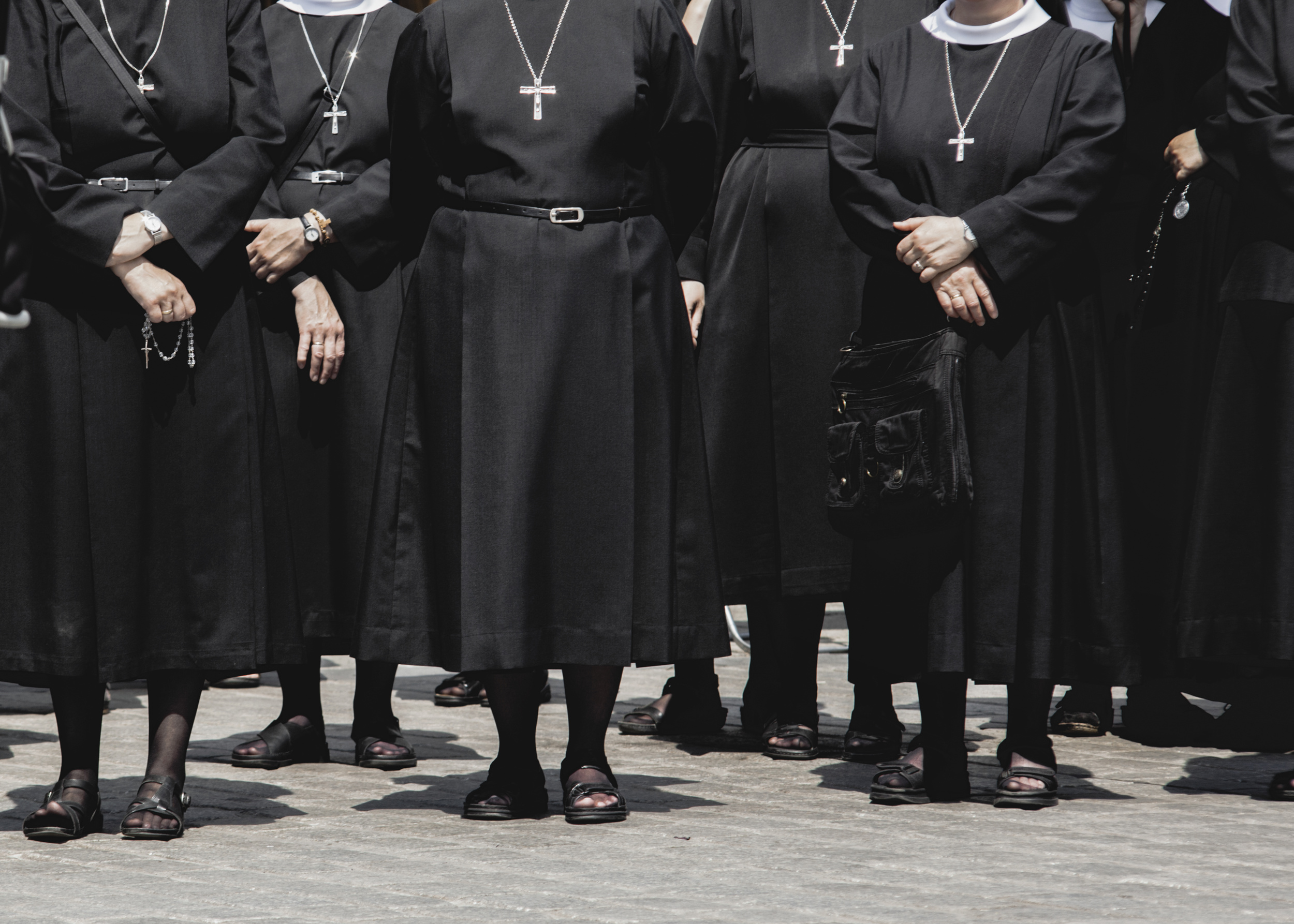
“Black dominant” by Bolandrotor
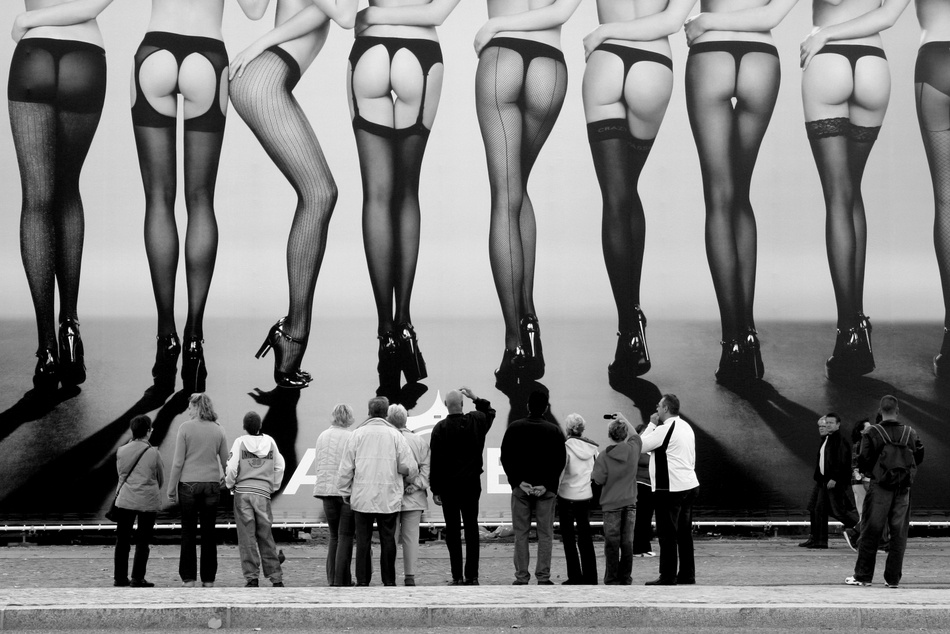
“Surprise” by Stefano Corso
* This series was designed to inspire current members, but it has also been an opportunity to look back through the archives and rediscover some of the brilliant work submitted over the past 19 years. Many of these photographs deserve to be seen again, and I hope revisiting them inspires new work for years to come.
|
 | Elaine Henshaw PRO Really interesting ideas and great photographs. Thank you. |
 | great pictures. interesting article . Great work |
 | Linda Wride PRO How wonderful to have a different perspective inspired by fascinating feet! I feel honoured to have an image included in this fabulous selection. Thank you! |
 | Very interesting article and theme. Great photogallery! Congrats! |
 | Jay Satriani PRO An outstanding article and an extraordinary photography theme. Each work is filled with meaning, stories, and inspiring beauty. My sincere thanks to the wonderful editor Jane and my longtime friend Yvette for showcasing such beautiful works of art. Congratulations to all the selected artists. Your works are a great source of inspiration for me to keep learning and growing in the world of photography. |
 | Susan Beausang PRO What a fabulous article and the coolest photos. Brightened my day! |
 | Shenshen Dou PRO Brilliant topic and wonderful images! Thanks! |
 | Turgan Gürmen PRO What a wonderful subject, brought to life with such a variety of unique stories, and the result is fantastic. Many congratulations! |
 | Beautifully diverse and playful images!! Lovely article. Thank you!! |
 | Ralf Stelander FOUNDER Very well chosen theme and great curation! |
 | Miro Susta CREW Very interesting subject, interesting photographs. |
| | Angelika Vogel PRO Some really fanny scene and composition! Congratulations on all of the artists! |
 | Karin Kilb PRO Fantastic photos with extraordinary perspectives—very nice.
There’s something off about the photo “Cute Feet” by Kayanti Kootz. Is it AI, or an editing error? |
 | Yvette Depaepe CREW I truly think it's an editing error, Karin ... That image was uploaded nearly two years ago. Thanks for mentioning it. |
 | Colin Dixon CREW Fabulous collection of images Bravo !!!! Great article Jane. |
| | Yvette Depaepe CREW Outstandng selection of "feet" images. Congratulations to all the authors. A delightful and inspiring article, Jane ... Love it. |
|
 | Ed Baak PRO Thank you so much for writing this article. Not expecting quick successes but I am definitely going to give this a try. |
| | Great article and theme! Thanks for sharing! |
 | A very informative article |
 | An excellent tutorial. I found it very practical, with magnificent results. Congratulations, Arnd Gottschalk, and thank you, Yvette, for sharing. |
| | Jay Satriani PRO Editing that is full of creativity and precision, from an ordinary looking image to one with high artistic value. Thank you for sharing this good experience... thank you editor Arnd and My good friend Yvette..greetings |
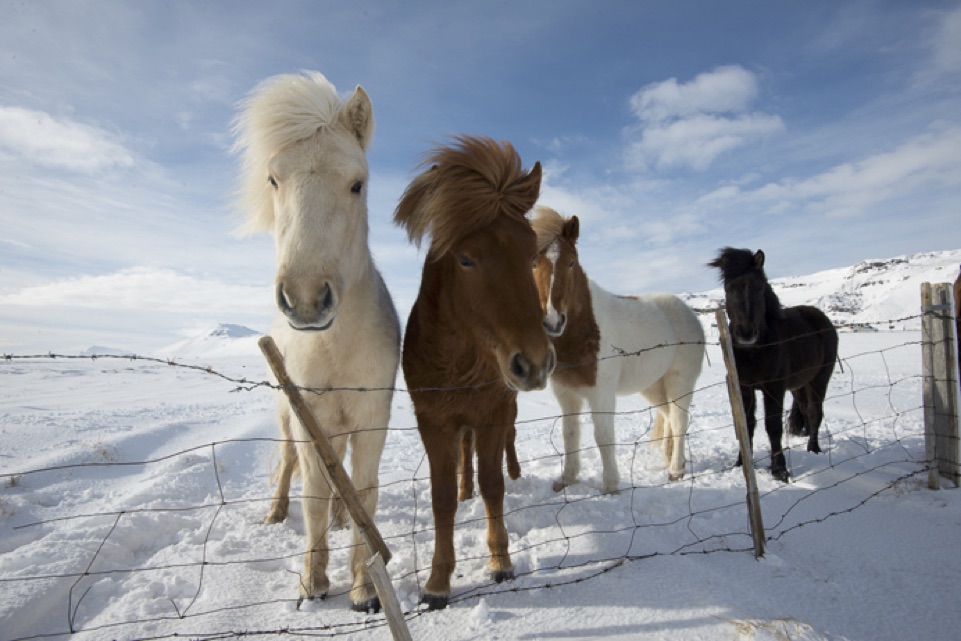
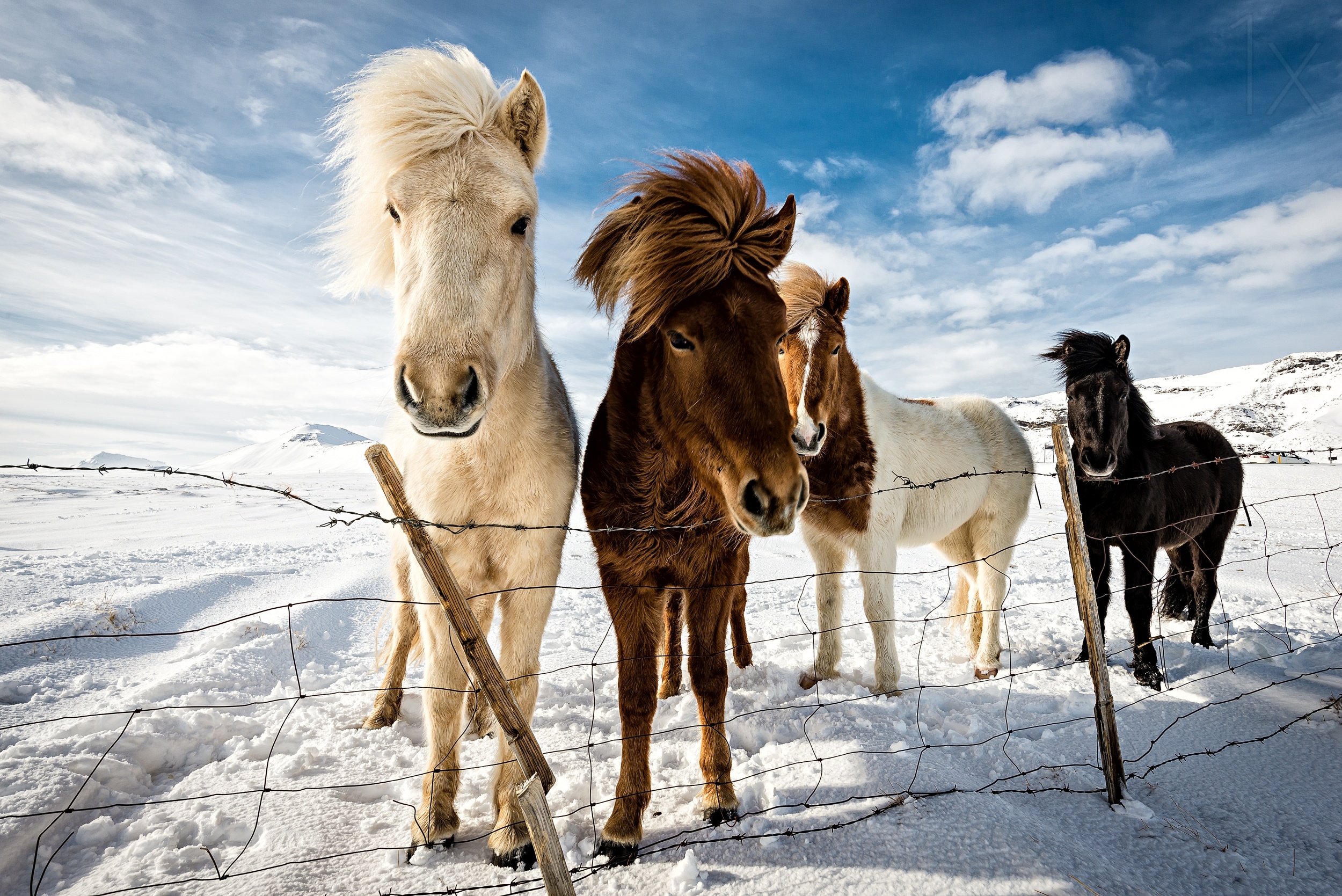 Nikon D600 . Nikkor 16-35 f/4 . 16mm . 1/100s . f/16 . ISO100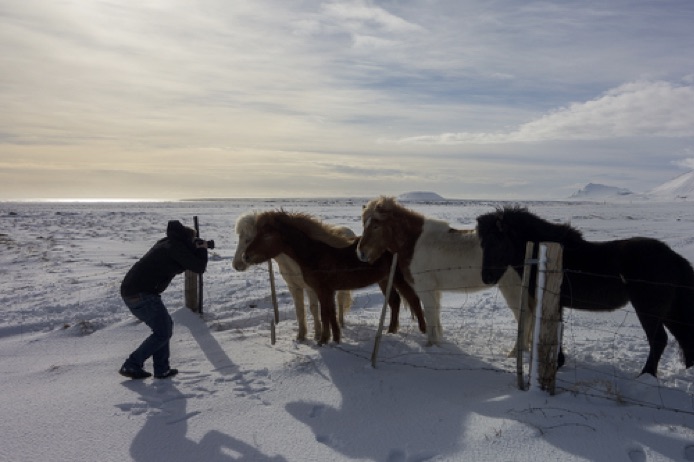
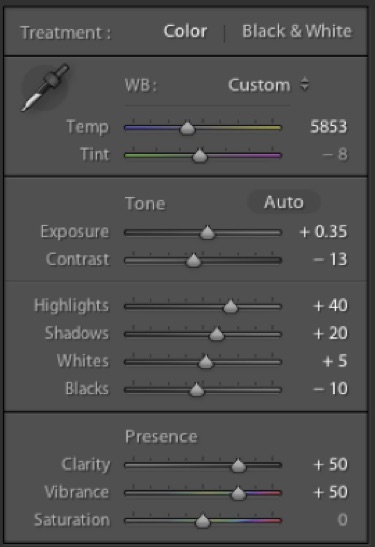
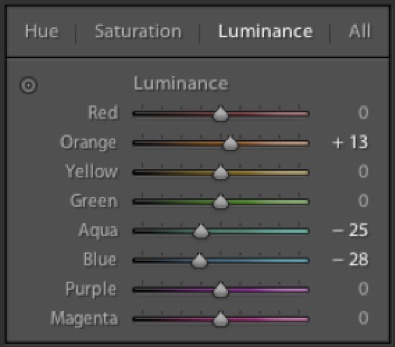
|
| | Inspiring article. Lovely photos! |
| | I really love Icelandic horses, and I was also keen to take photos of them when I was in Iceland. Icelandic horses are also popular here in Norway. I liked your work very much, dear Mike. Congratulations!. Well done! Interesting article! Many thanks to you too, Ivette. |
 | Sophie B PRO Wonderful photo! And inspires me to go to Iceland, thank you! |
 | Ivan Tomic PRO Lovely article! I suspect a very specific president might actually get jelaus of those beautiful hairstyles. |
| Sophie B PRO 🤣 |
by Yvette Depaepe
Published the 19th of October 2026
This interview is close to my heart. My good friend Jay Satriani, who joined 1x in 2011 took a six-year break to reflect on his creative path. Jay is back! For him, photography is not merely about what is visible, but about what lies beyond the visible. It is not simply meant to be seen, but to be felt, explored, and experienced.
The time is right to discover - or rediscover - the soulful creative artist Jay is at the core of this interview and the messages he shares.
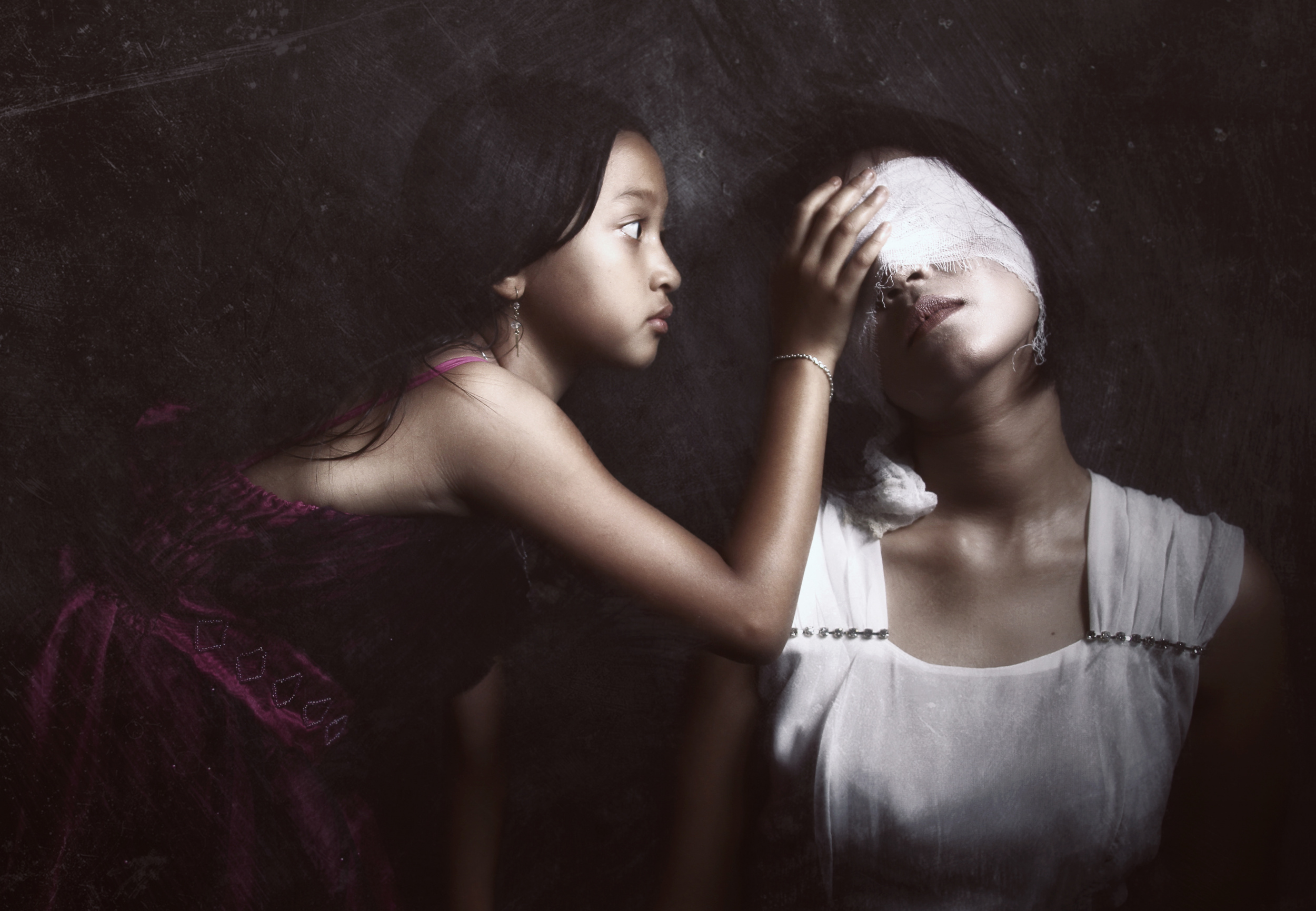
‘Love That Pierces the Darkness’
Dear Jay, first I would like to thank you so much for taking the time to answer this questionnaire! To begin, please introduce yourself shortly and tell us more about you, your hobbies or other projects ou are involved in!
My name is Pajar Setiadi, but I am better known by my stage name, Jay Satriani. I was born in Ciamis, West Java, Indonesia, in 1983. I have been pursuing a career in music as a guitarist in metal and rock bands since the age of ten, and have also explored collaborations with traditional Sundanese music. This journey has earned me several festival awards and resulted in two albums. In addition to music, I was introduced to analogue photography as a child through my late father's camera. However, music initially became my greater passion. Since 2004, however, photography has grown to become an essential part of my artistic journey. Currently, I am revisiting my earlier work and discovering meanings that I could not fully understand until now. They have become mirrors, encouraging me to reflect, reassess and improve. To me, the past cannot be changed, but it can be understood. The lessons I learn from it today will form the foundation for a better tomorrow.
When and how did you start your photographic journey?
My journey into photography began in 2003, when I was feeling creatively exhausted by music and wanted to explore another art form. The following year, I started learning photography by assisting a friend who was a commercial photographer with wedding and pre-wedding projects, despite not owning a camera myself. I spent a lot of time at his studio, sometimes even sleeping there, driven by my desire to learn about photography and understand it better. Through dedication, patience and perseverance, I gradually mastered camera handling and lighting. I eventually established Warna Fotografi and organised photo-hunting events with my photography community.
For many of us photography is either a hobby or a way of life. How would you define your relationship with photography?
For me, photography began as a hobby that gradually evolved into a profession. Over time, however, it has come to mean so much more than just a career. It has become a way for me to express my feelings, reflect on my experiences and tell the visual story of my life's journey.
What would be the most important experience so far that has influenced your steps in photography?
For me, the most important experience has been discovering that photographs can convey meanings that I only begin to understand years later. Photography has taught me to see with my eyes, to feel, and to understand life. Over time, I have learned that emotional honesty, intuition and inner exploration matter more to me than technical perfection. For me, photography is about more than just creating images; it's also about discovering myself through my work.
Describe your overall photographic vision.
My vision is to use photography as a visual language through which to express emotions, silence and the inner journey of human beings. My approach is intuitive and emotional, and I am not bound by rules or technical perfection. Using symbolism, imagination and everyday reality, I aim to create images that evoke feelings and encourage contemplation. For me, photography is a journey towards understanding life, time and the self.
The mood and composition in your fine art and conceptual works are outstanding! What is your secret and why are you so drawn by this photography type?
Discovering my photographic identity has been a decades-long journey, unfolding gradually much like life itself. After exploring various genres, concepts and creative processes, I started to ask myself: Where can I find work that truly reflects who I am? For me, every photograph I create and share becomes an opportunity for self-reflection. My interest in fine art and conceptual photography stems from my desire to visualise what I see, think and feel. It's not just about creating beautiful images for me; I want to convey atmospheres and meanings that others can feel and interpret in their own way. It is in this process that I find happiness in creating art. Even when a photograph conveys sadness, anger or loneliness, I accept every emotion as part of life. For me, the secret lies not in a particular technique, but in emotional honesty, intuition and the courage to stay true to myself.
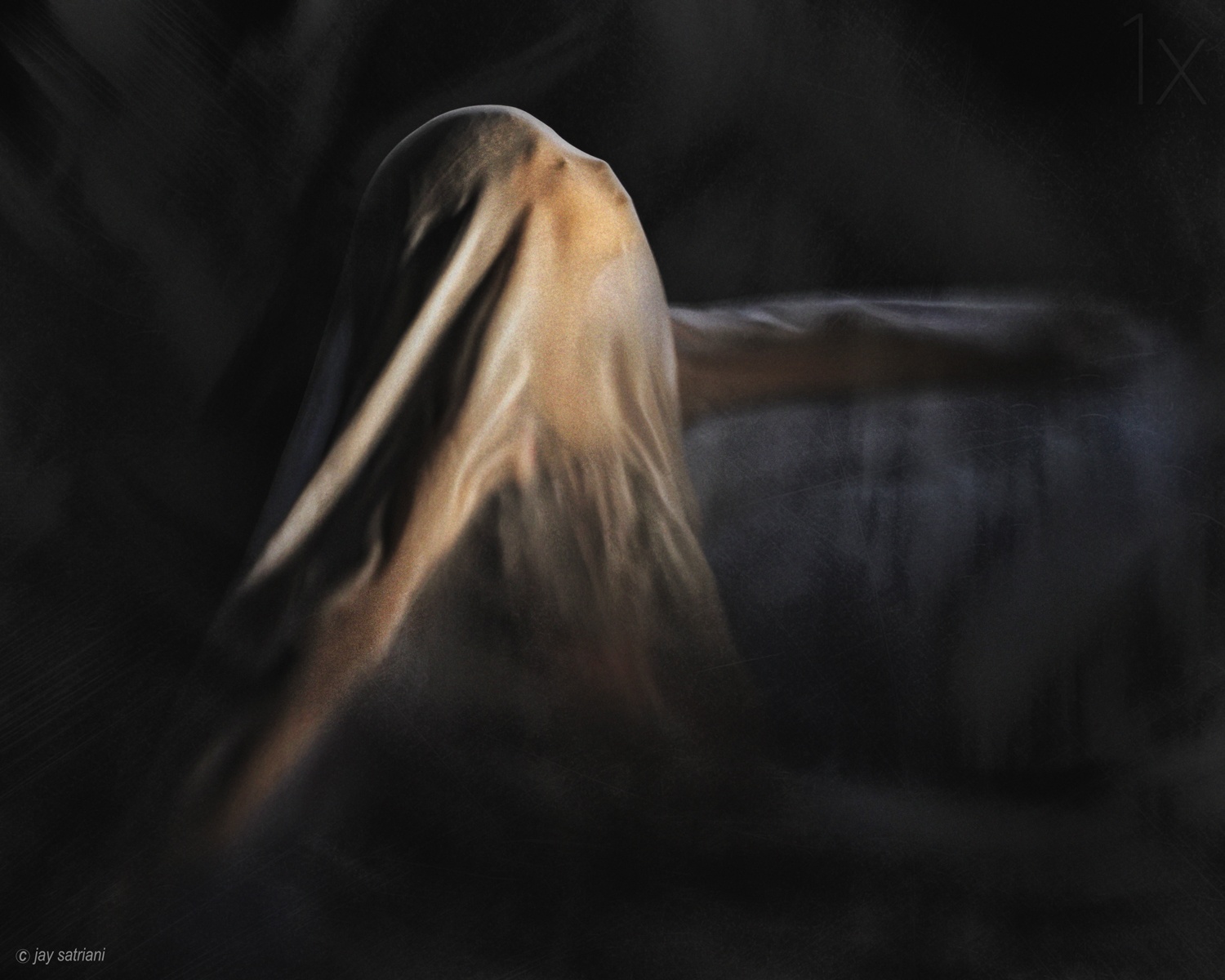
‘Flying In A Dream’
What are the main features of a successful photographer in your opinion?
In my view, a photographer’s success should not be measured solely by awards, praise or financial rewards, but by their courage in discovering their identity and creating honestly. When we create freely, without being burdened by rules or the need for recognition, we can fully express ourselves and convey meaningful messages through our photographs. Awards, praise and financial rewards are bonuses; discovering our artistic identity and producing work that comes from the heart is the true achievement.
Can you please tell us something more about your workflow from the idea to the final product?
I begin some of my projects with careful planning, which involves writing the concept, selecting props and costumes, and scouting locations. I explain the story and intended message to the models to help them understand and embody their roles. However, many of my works emerge spontaneously in Photoshop. In this process, I allow my intuition to guide me as I combine images until they take on their own form and meaning. Sometimes, the final result conveys a message that I had not previously recognised, as if the artwork itself were speaking to me. A habit that accompanies my creative process is listening to instrumental music tuned to 432 Hz while editing. This helps me to feel calmer, to focus my mind and to immerse myself in the atmosphere of the work. For me, creating art is not just about manipulating images; it is a dialogue between the mind, emotions, intuition and soul.
Where do you look to find inspiration for the visual stories you want to convey? What inspires you?
I am inspired by observing life, drawing from my own inner journey and the experiences of those around me. Stories shared by friends, music, films and simple life events often prompt me to seek deeper meaning. I also draw significant inspiration from the spiritual teachings I am studying and the wisdom of spiritual mentors. All of these things provide material for reflection, which I then express visually through symbols, atmosphere and imagination. To me, inspiration is not just something I see, but something I feel and contemplate. I allow intuition to guide the creative process, enabling the artwork to convey a message that cannot always be expressed in words.
Many are of the opinion that the gear is not very important when the passion for photography is strong. However, can you please share with us what gear you use (camera, lenses, lighting, tripod, etc.)?
In my opinion, equipment is important for supporting the creative process, but it should never be used as an excuse for complaining or limiting our creativity. To me, equipment is simply a means of capturing, creating and recording images. The process of taking a photograph actually begins long before the shutter button is pressed — it starts with thought, observation, feeling and imagination. The last equipment I used was a Canon EOS 7D, a Canon 24 mm STM prime lens, a Lensbaby 50 mm lens and lighting equipment from a local Indonesian brand. I no longer own any of this equipment. However, I believe that the essence of photography lies not in the sophistication of the tools used, but in how a photographer sees, feels and translates ideas into visual art. To me, the camera is just a tool — what matters most is the story and soul behind the image.
What would be your favorite photo? Please tell us the story behind it.
The photograph, titled 'Lonely', reflects my life's journey, expressing the feelings of loneliness, emptiness and inner void that have accompanied me at various points along the way. The breakdown of my marriage and living far from my children have become part of my inner journey, shaping my understanding of loneliness. Yet, to this day, I continue to learn from every life experience, and I am guided towards a deeper understanding of what loneliness truly means. Gradually, I have come to realise that we are never truly alone. Beneath the silence and emptiness that we sometimes feel, His presence accompanies us through every step of our lives. For me, 'Lonely' is not just a story of solitude; it is an inner journey towards the realisation that even in our deepest loneliness, we are never truly abandoned.
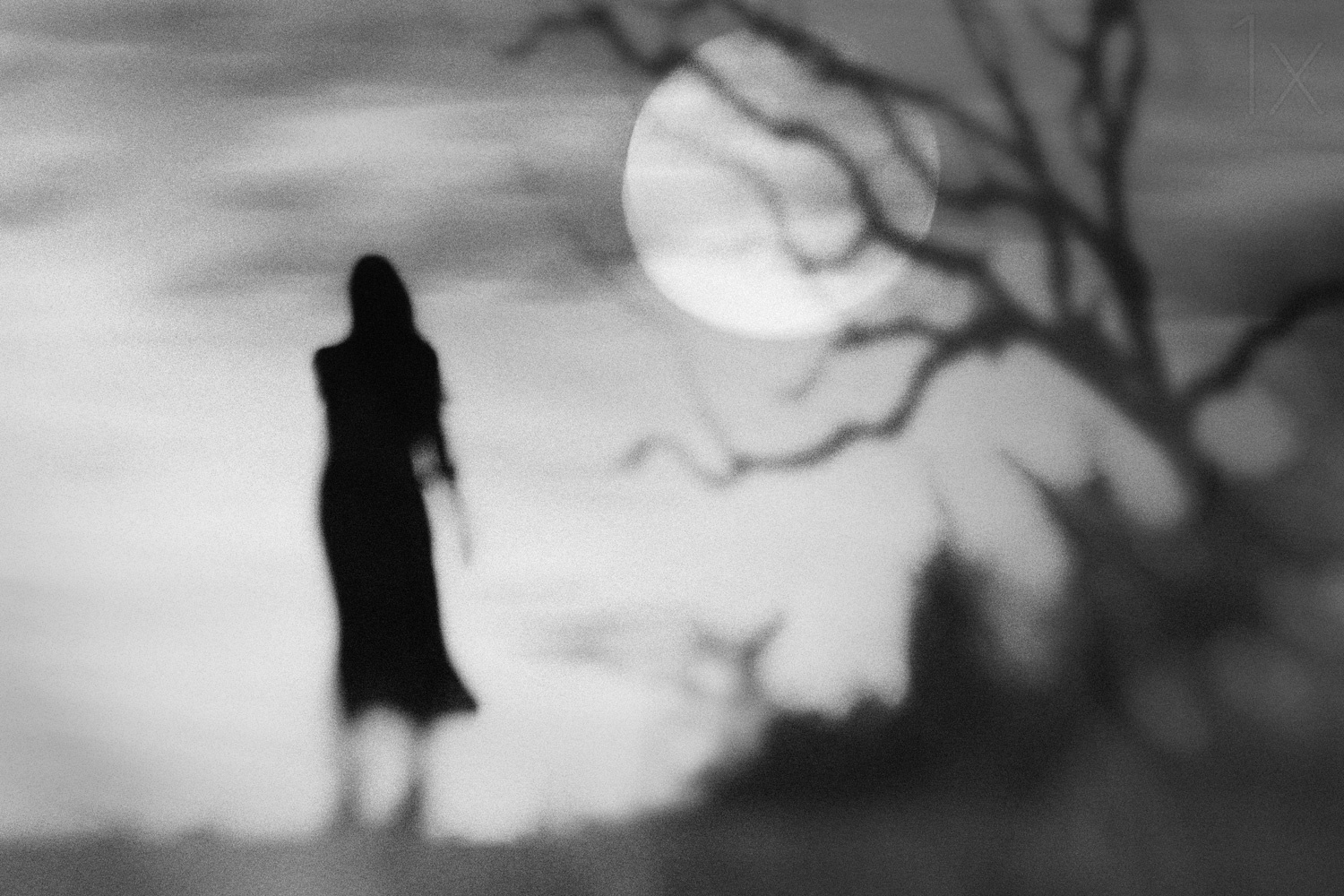
‘Lonely’
Who are your favorite photographers or mentors whose works have influenced you and your photography?
My favourite senior mentor and photographer, Hari Sulistiawan, introduced me to the 1x website. He is my idol and inspiration. Fitra Pranadjaja and Hendra S. Marcus are my guides and critics. Among international photographers, Ben Goossens ✝ is a particular favourite of mine; I am inspired by his surreal work and miss his presence.
Now, since we have almost reached the end of this interview, I would kindly ask you to share with us your plans or photographic projects you would like to be involved in.
My future project will involve visualising the life lessons I have learned and the meanings I have discovered through my own experiences. I intend to translate this inner journey into photographic works that are rich in symbols and metaphors. I want each image to be more than just something to look at; I want them to be spaces for reflection that offer a deeper understanding of life. I hope that each piece will carry a positive message, offering viewers a small light that touches the heart, opens new perspectives and invites them to feel, reflect and discover meaning in their own life journeys. To me, photography is not just about creating images; it's about sharing understanding and experience so that the lessons I have learned can also bring meaning and value to others' lives.
Is there anything else you wish to add and what do you think about 1X as a home base for your work?
Keep creating with your own character, uniqueness, and artistic approach, because I believe that happiness, beauty, and peace exist because of our differences. Every artist has a unique visual language and a personal way of interpreting life. I believe that the freedom to express these differences is what keeps art alive.
For me, 1X has become a space that allows me to freely express myself and explore my artistic vision.
Since joining in 2011, hundreds of my photographs have been rejected, far more than those that have been published. However, I have never considered rejection the end of my journey. After taking a six- year break to reflect on my creative path, I returned with a deeper understanding of myself and the messages I wish to convey through my work. My sincere gratitude goes to 1X.com for providing such a meaningful space where I can share, explore, and discover my own visual language. For me, being part of this community is not merely about publishing photographs, gaining recognition, or receiving appreciation. It is about having the opportunity to grow, reflect, and discover my artistic identity. Thank you for creating a platform where photography can transcend technical considerations and become a personal expression of emotion, thought, experience, and soul.
Best Regards,
Jay
“May peace and prosperity be upon us all. Shalom, Om Swastiastu, Namo Buddhaya, and Salam Kebajikan.”
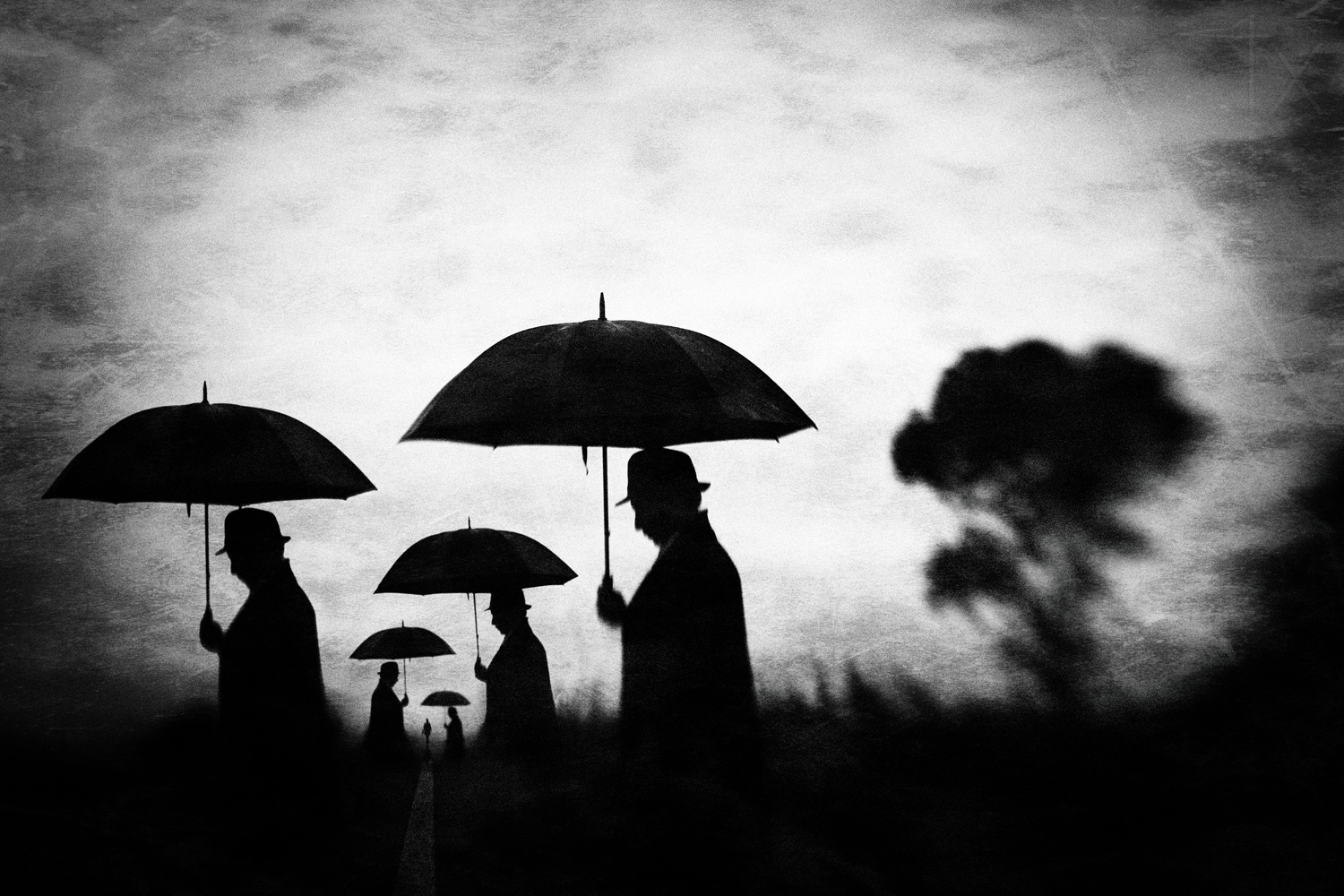
‘Darkened Days To Come’
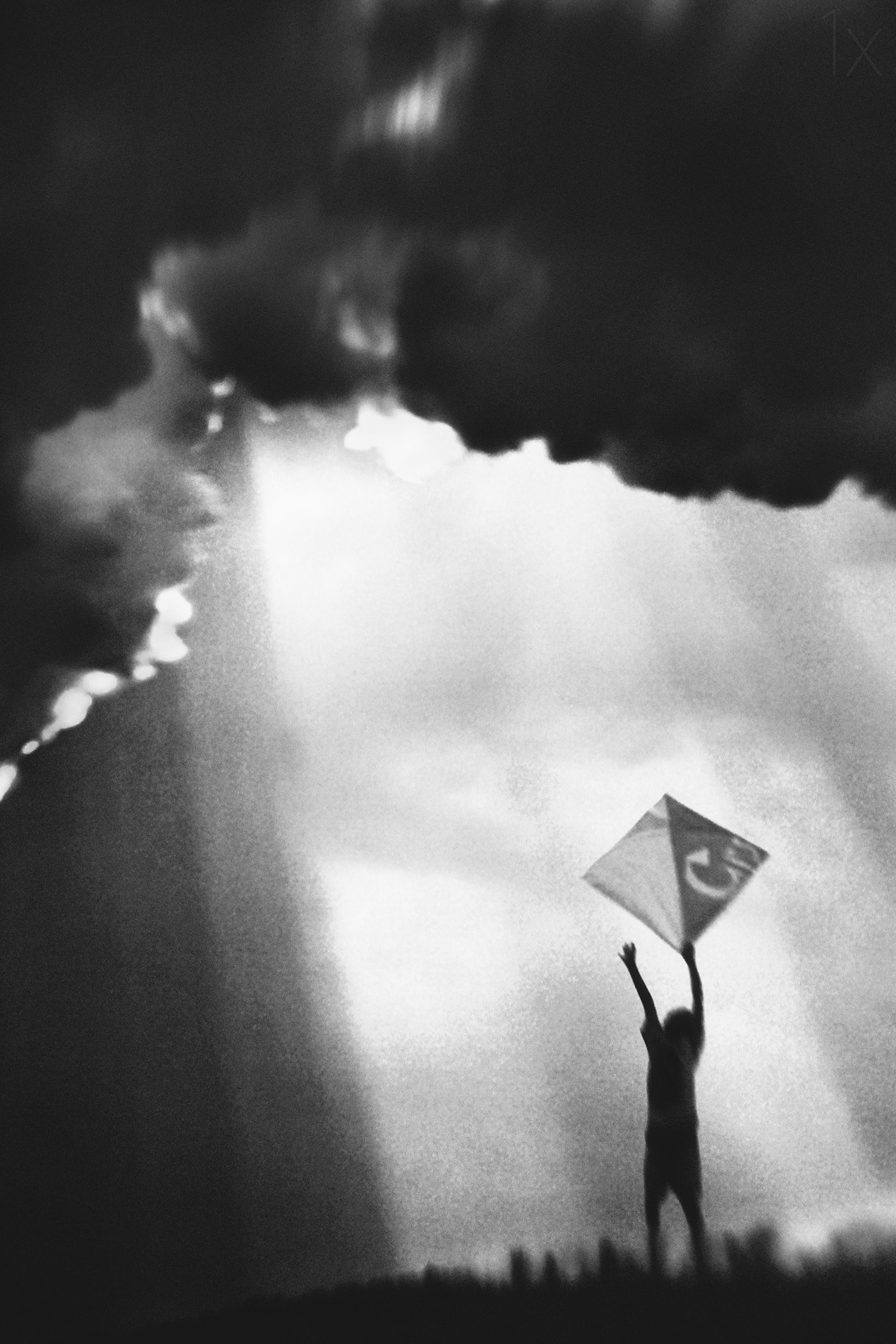
‘Dreams play a kite’
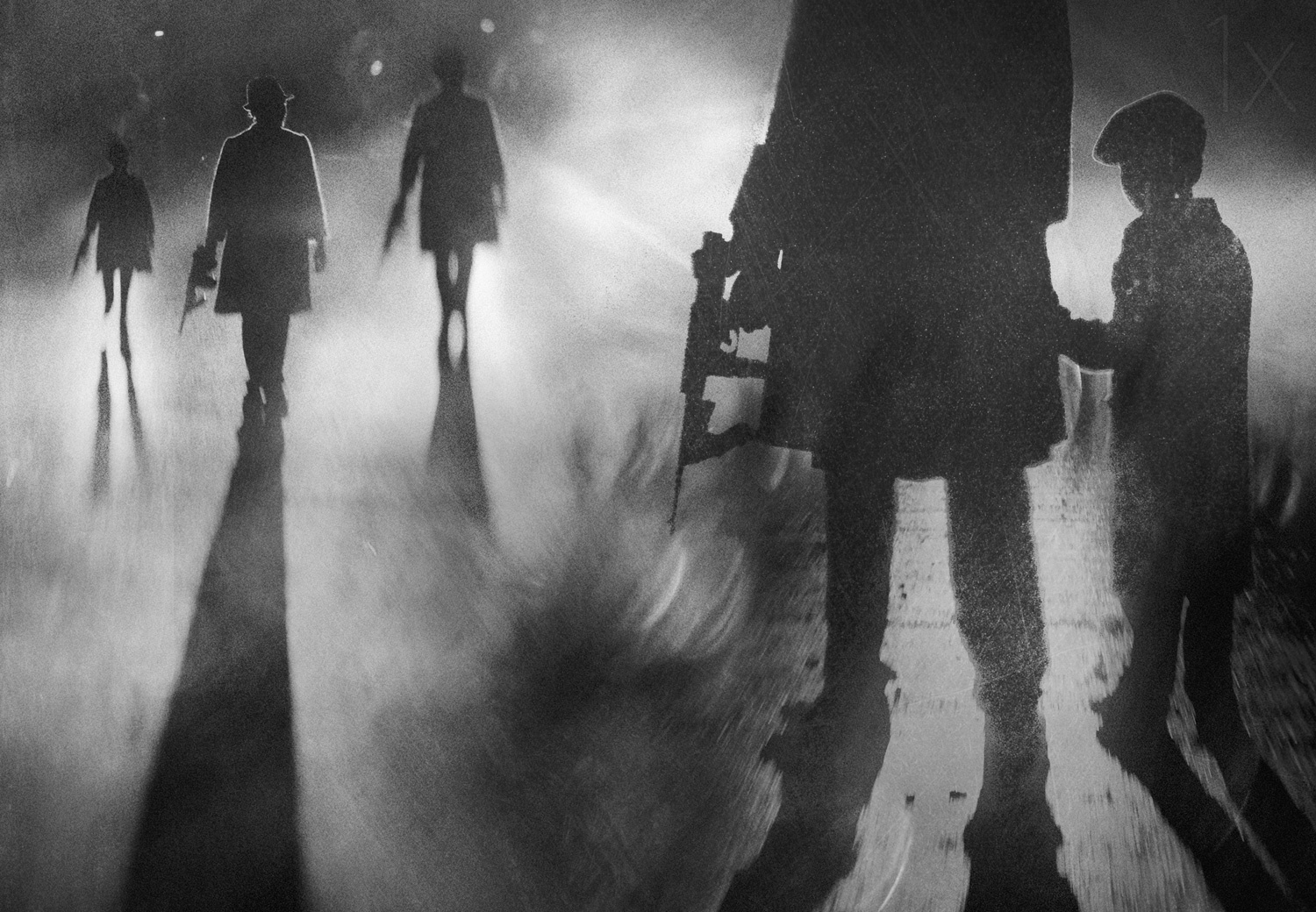
‘Nothing is sure but death’
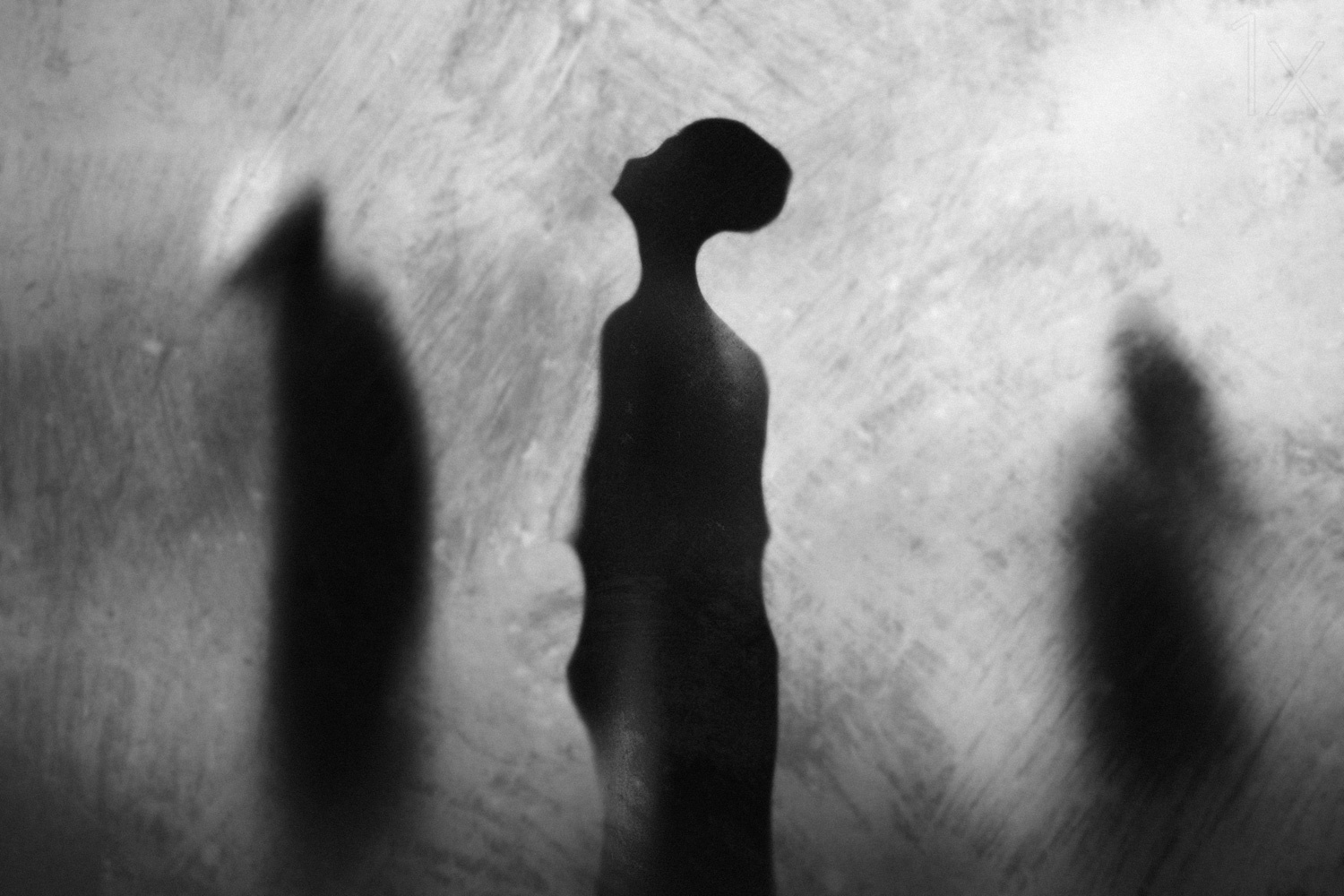
‘Two In One’
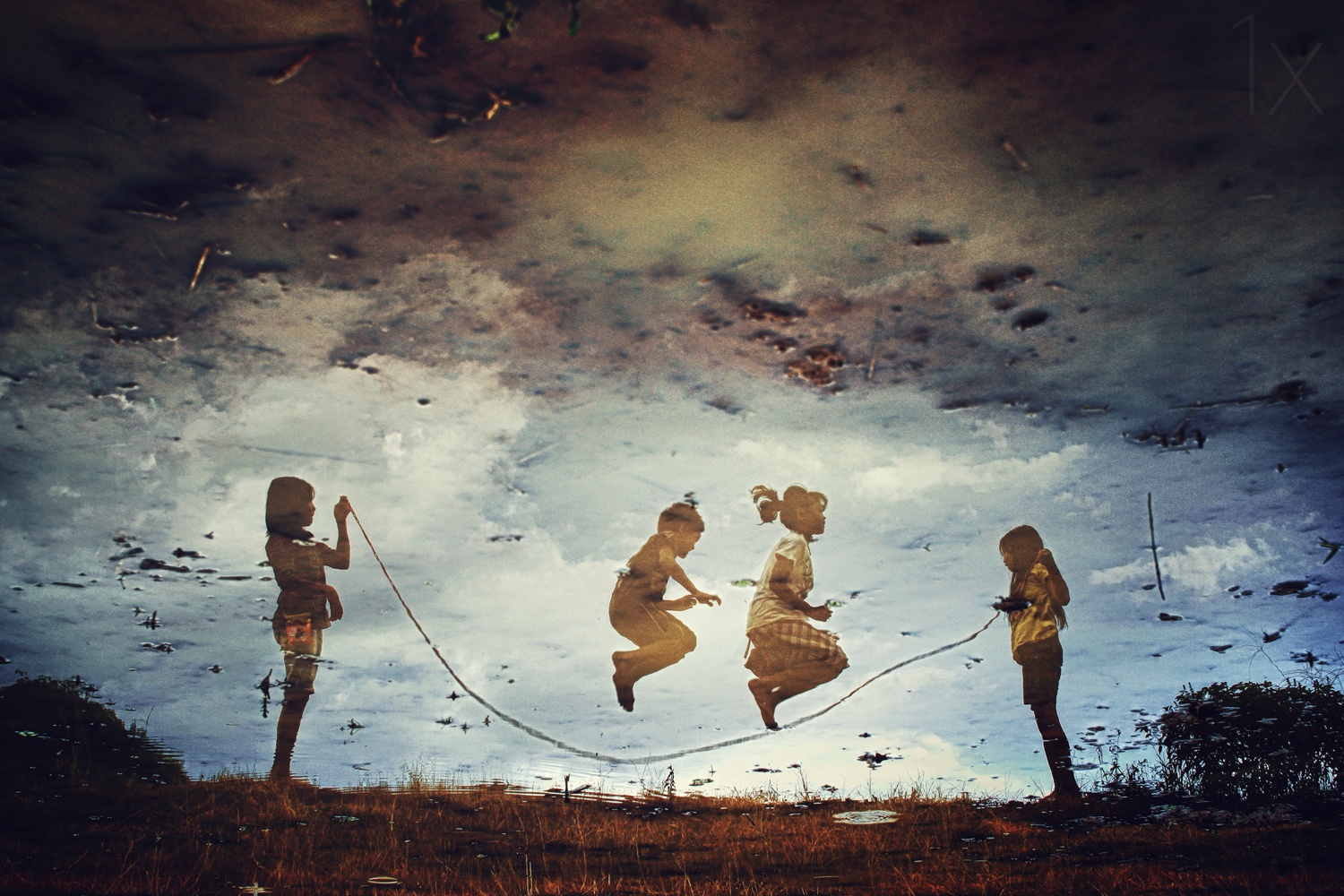
‘The game high jump’
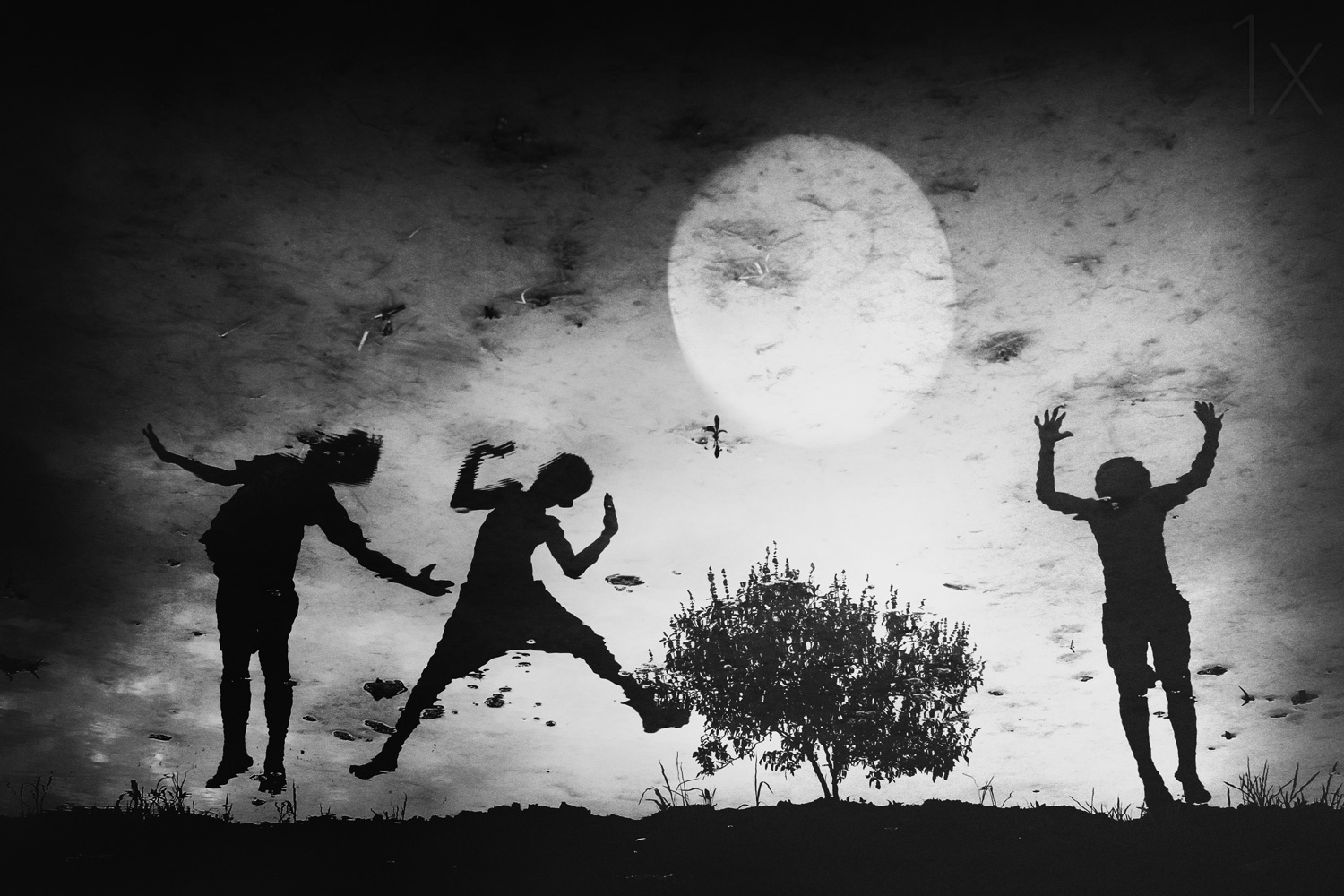
‘Jump’
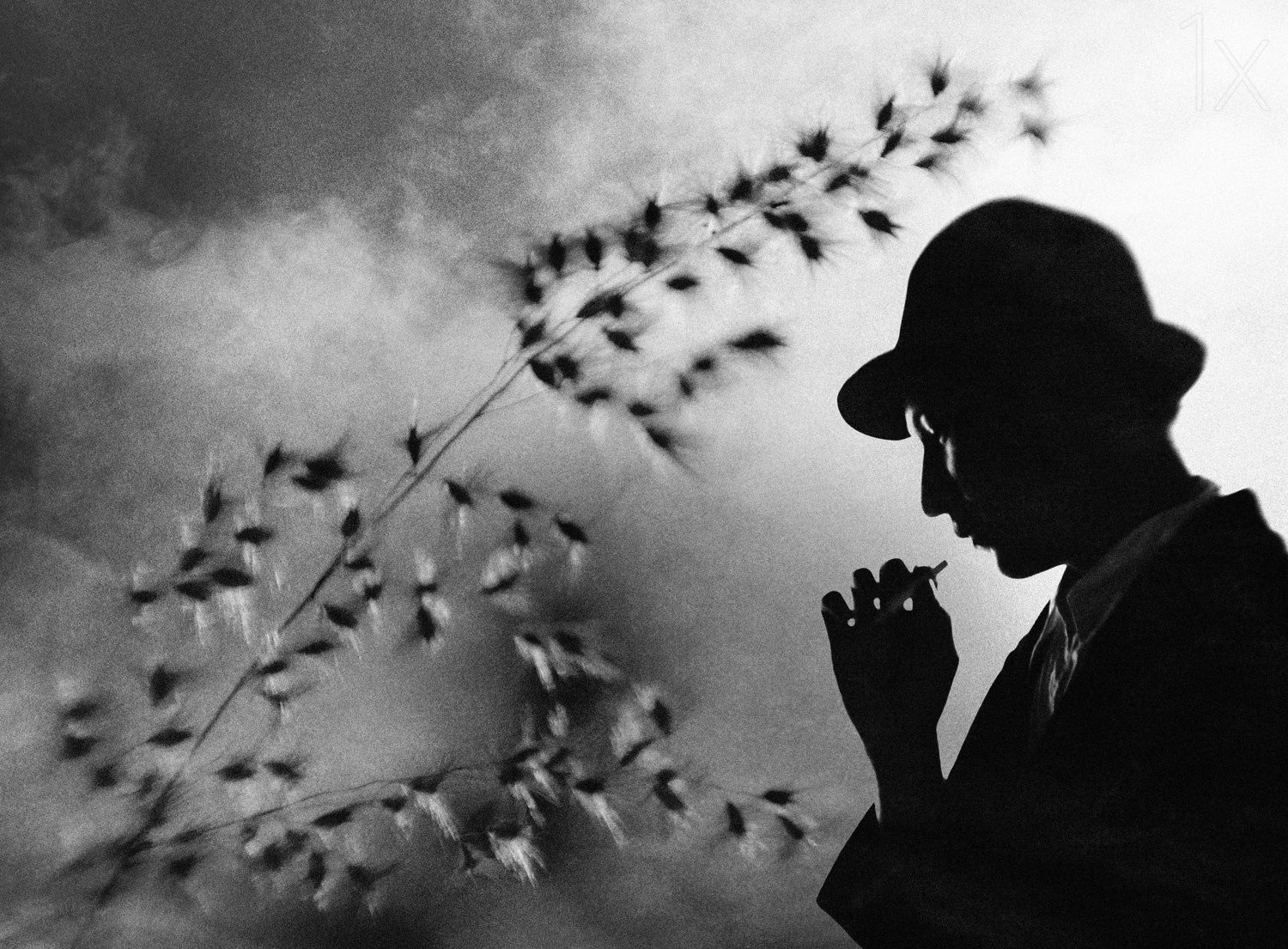
‘Alone’
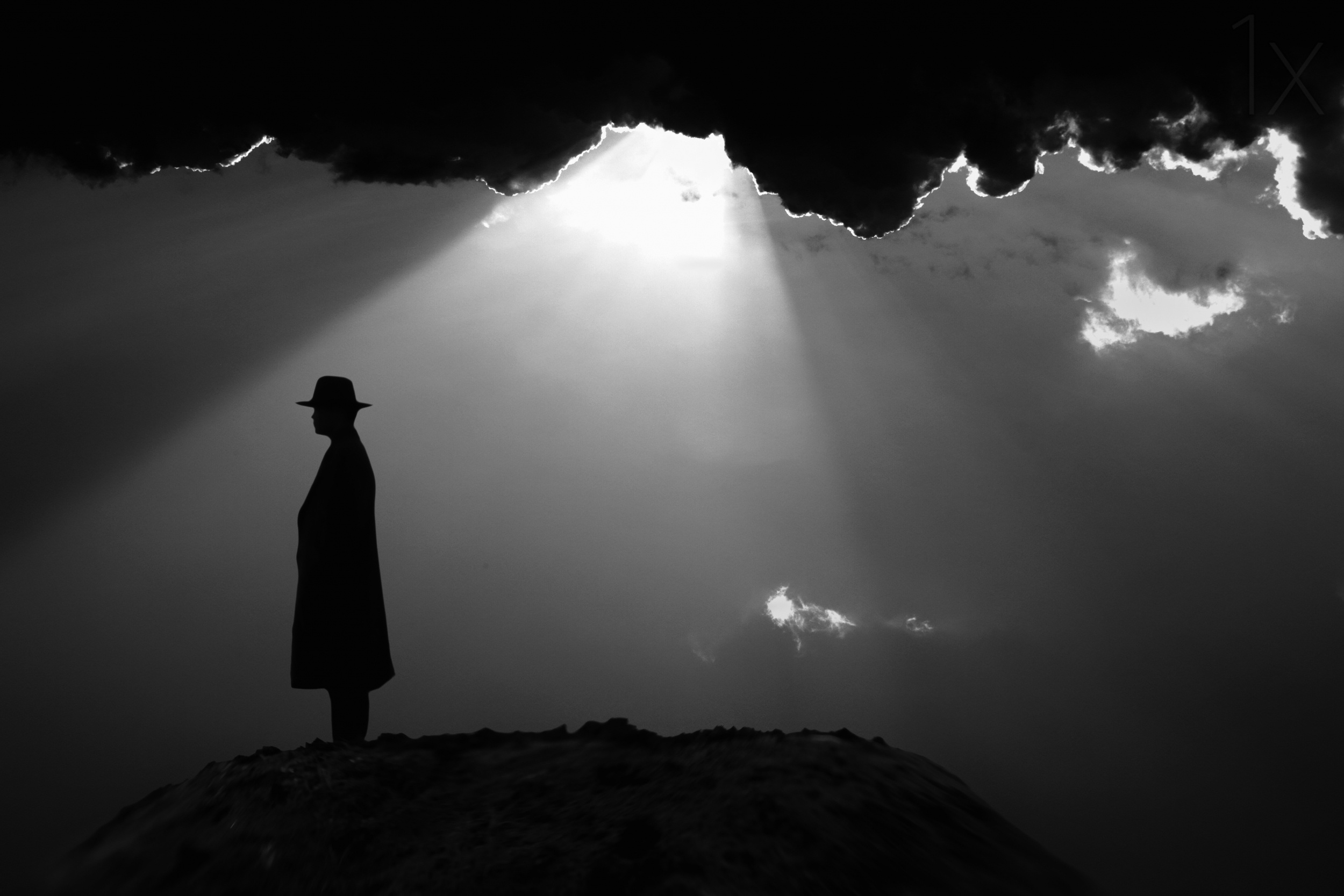
‘Light Life’
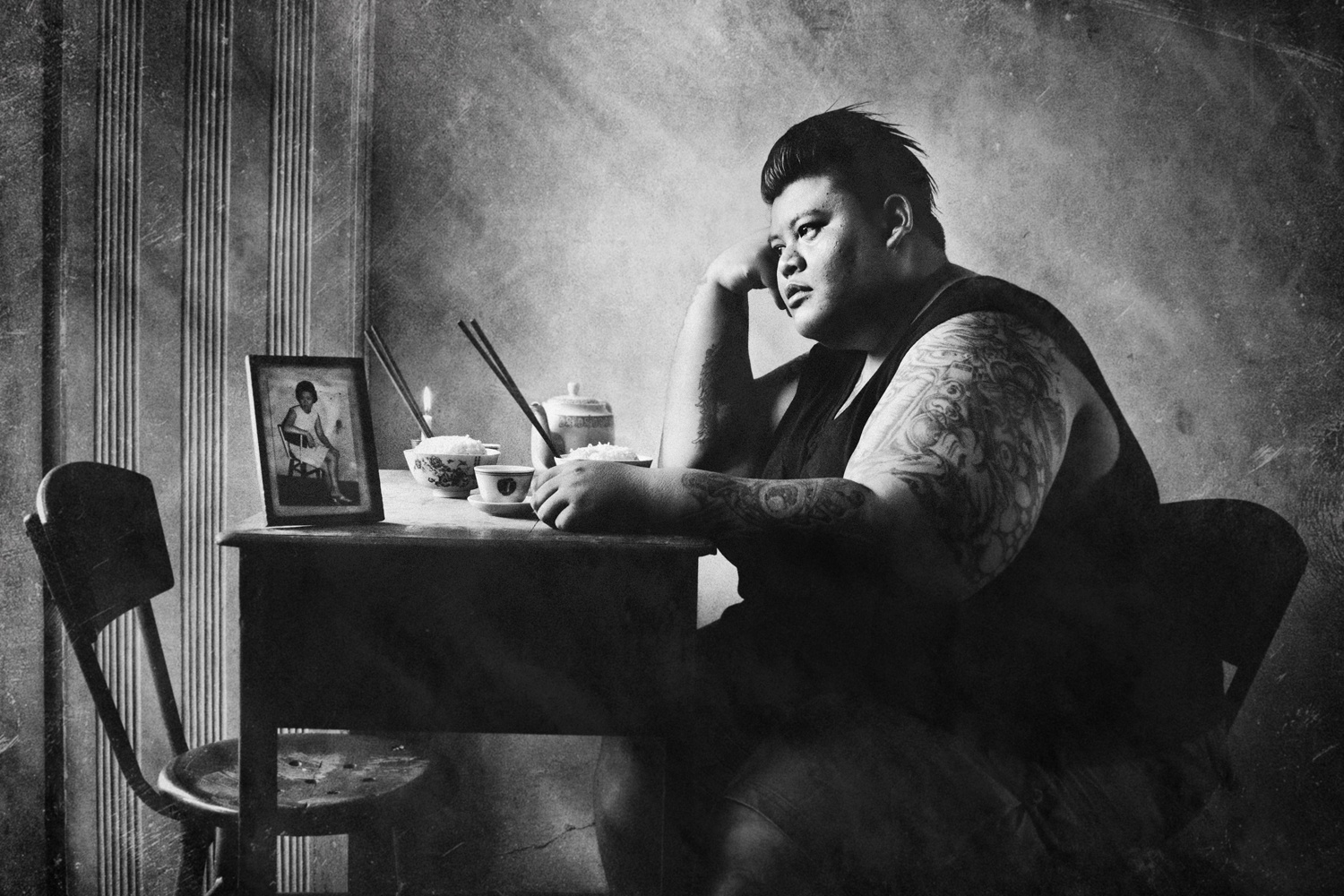
‘i miss you mom’
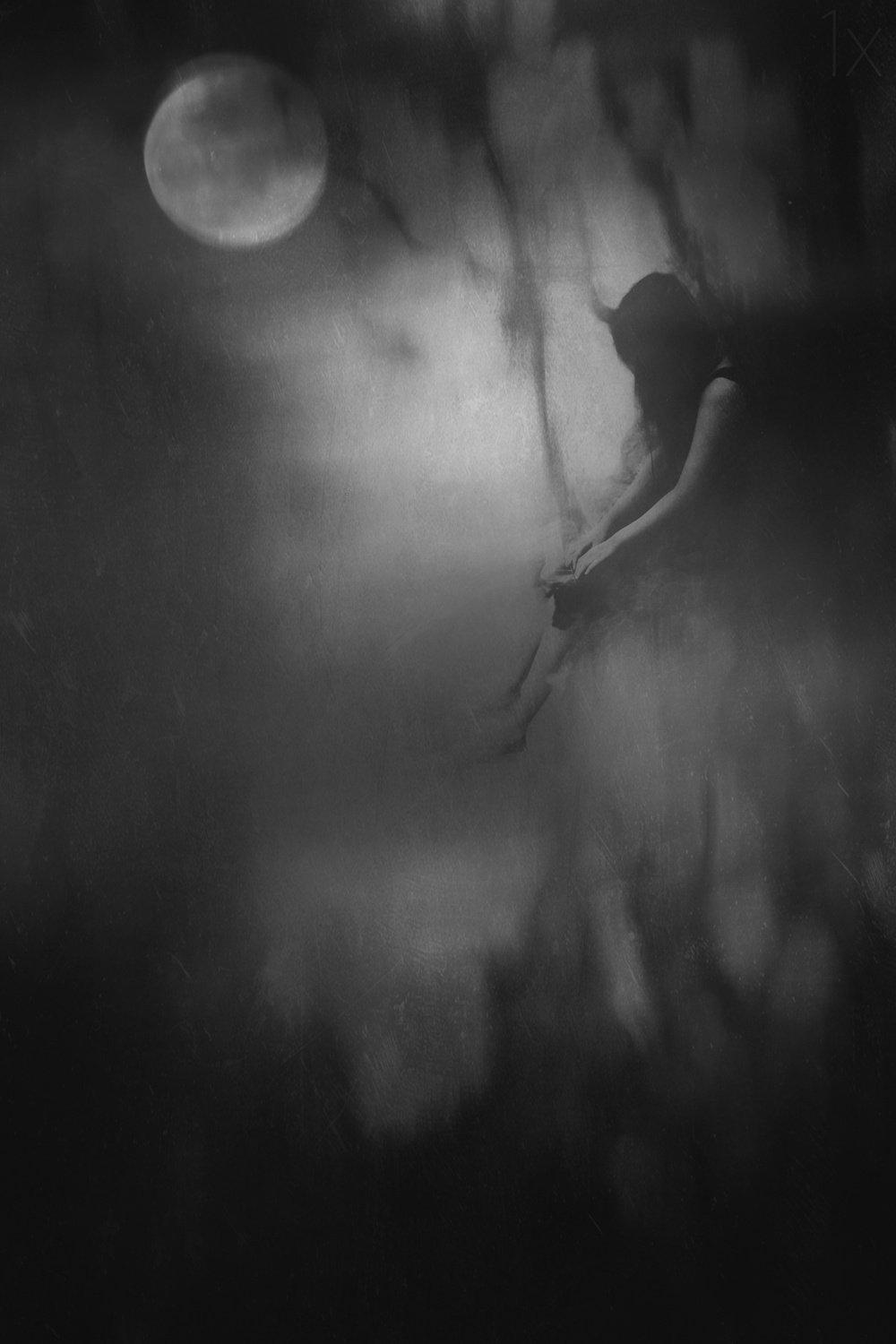
‘Silence’
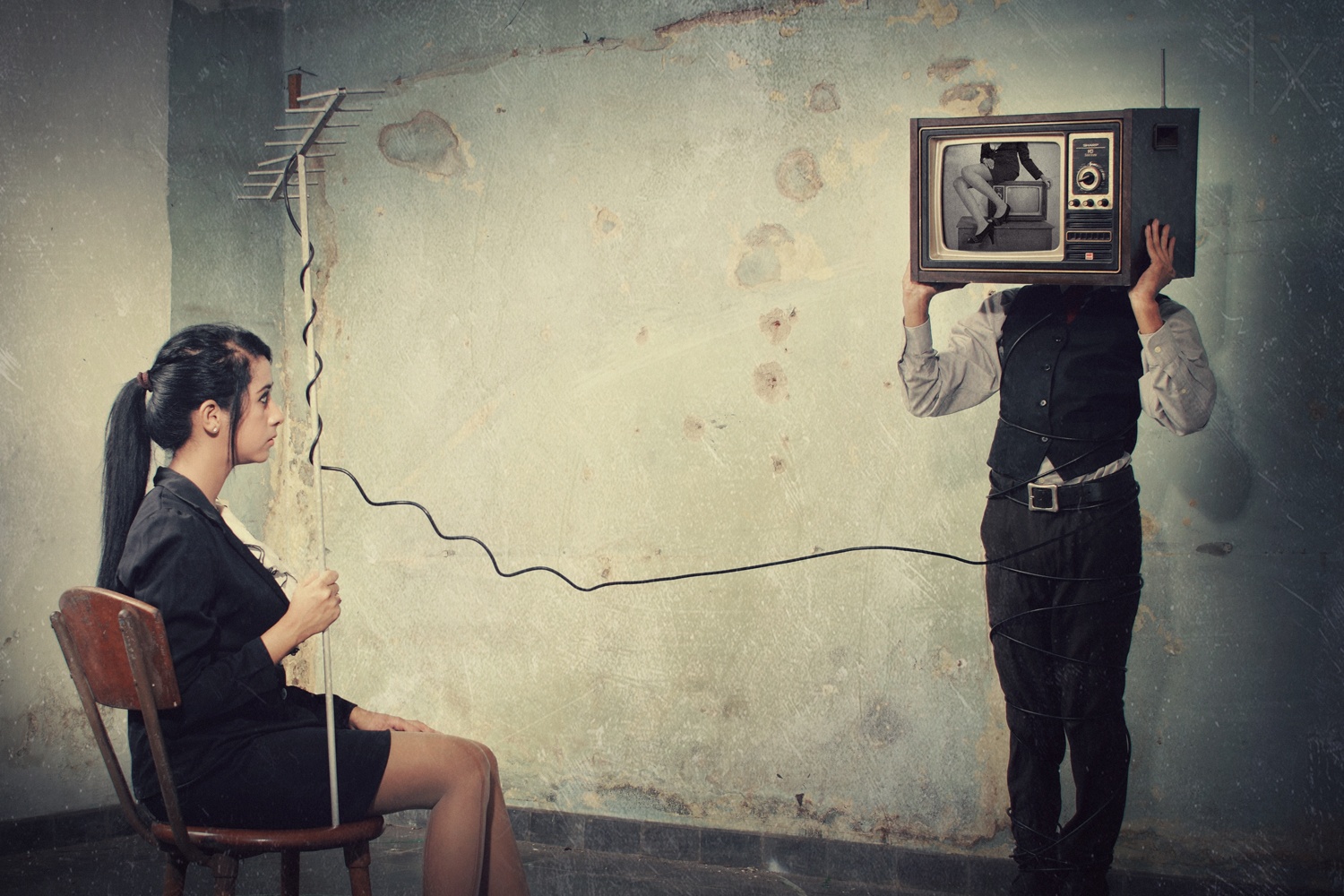
‘Ambition’
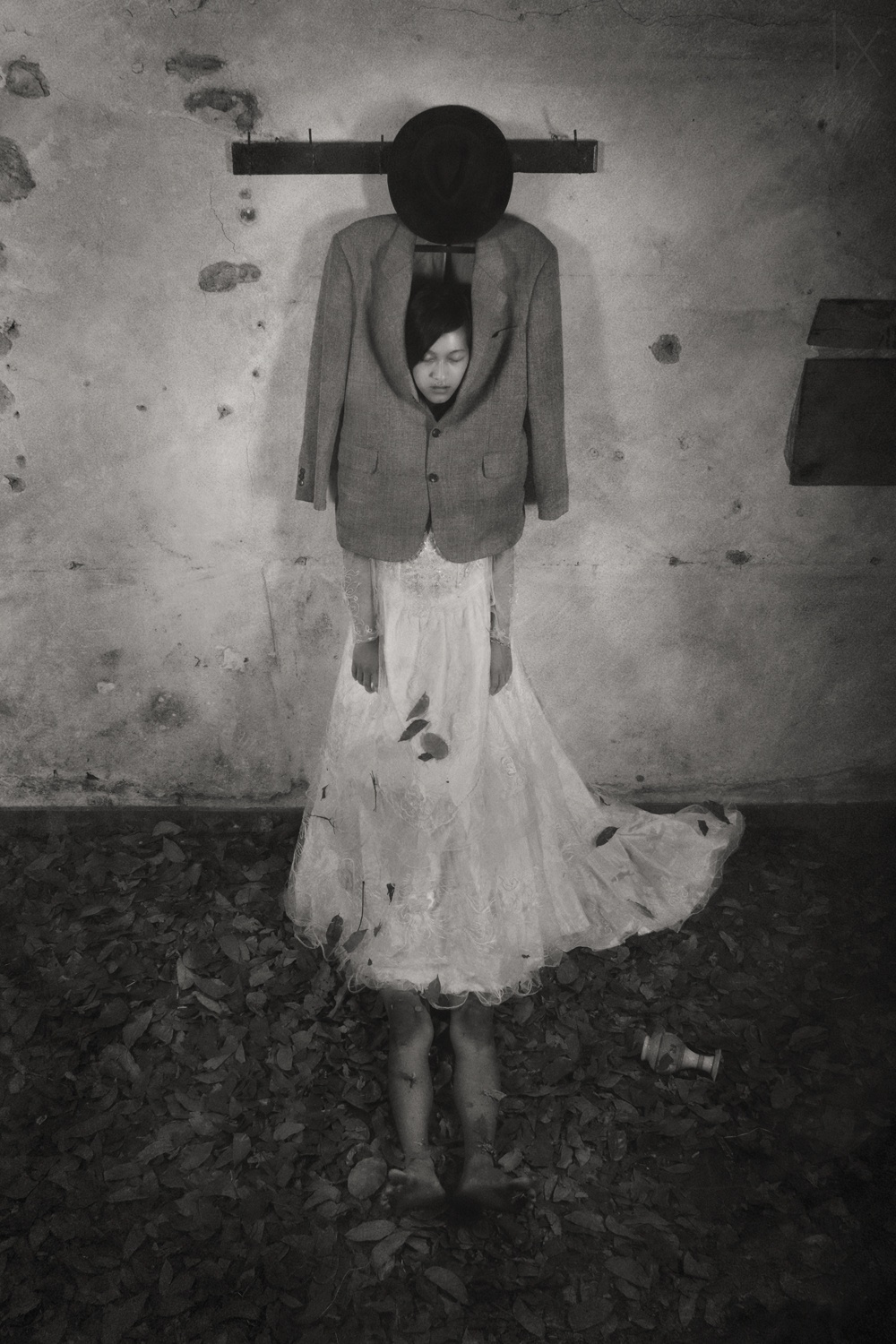
‘Half of my soul is her.’
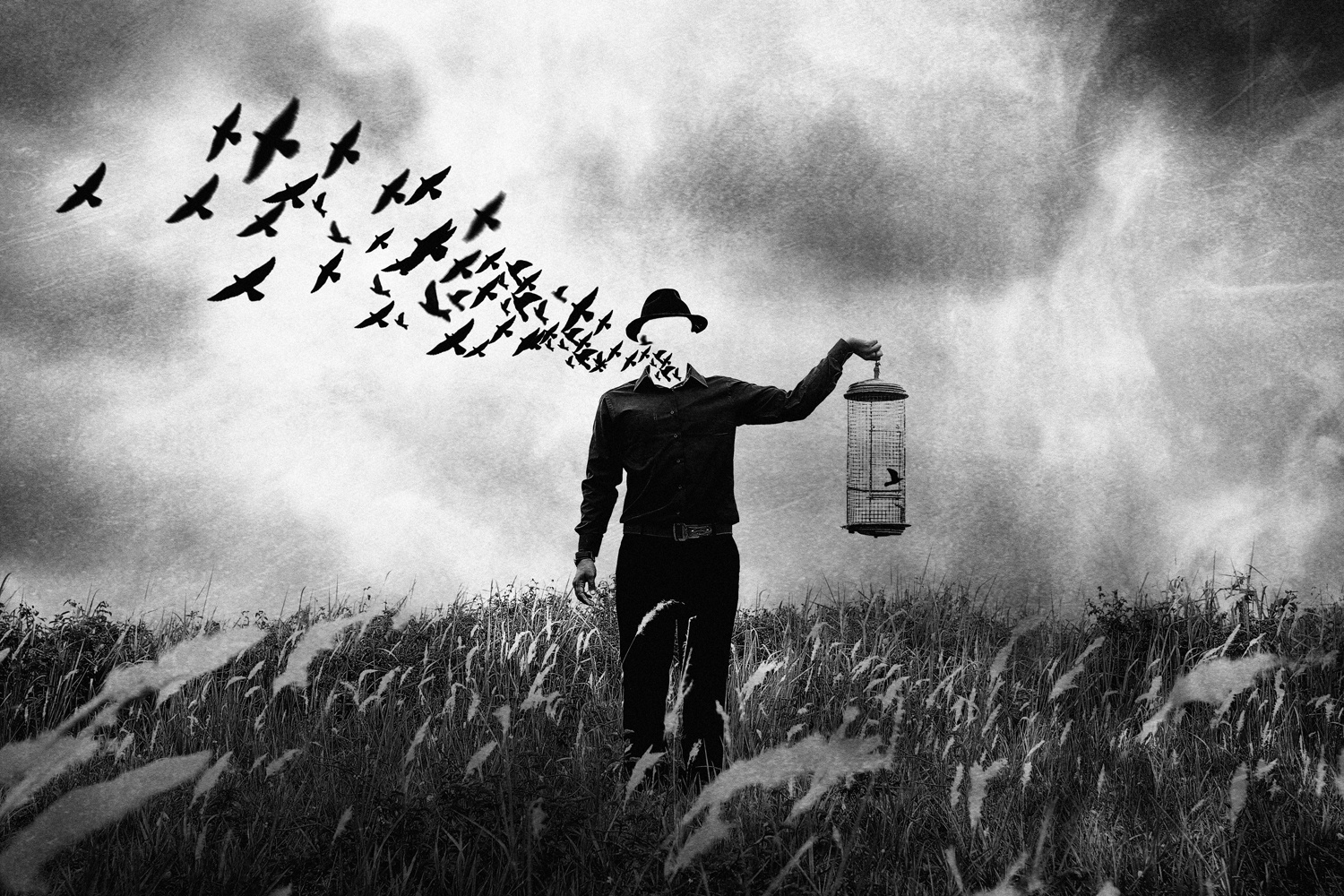
‘Freedom’
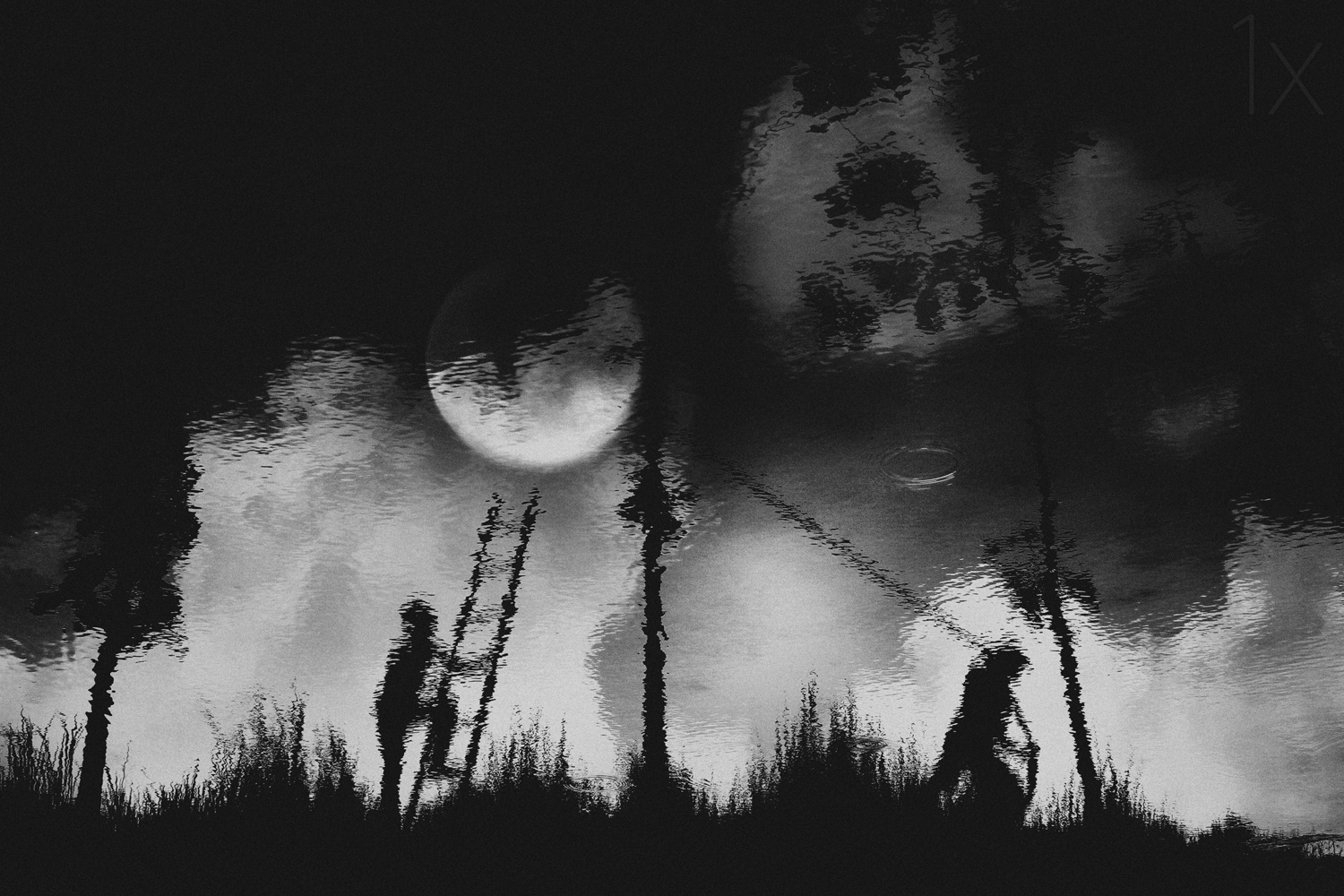
‘Dreamworld’
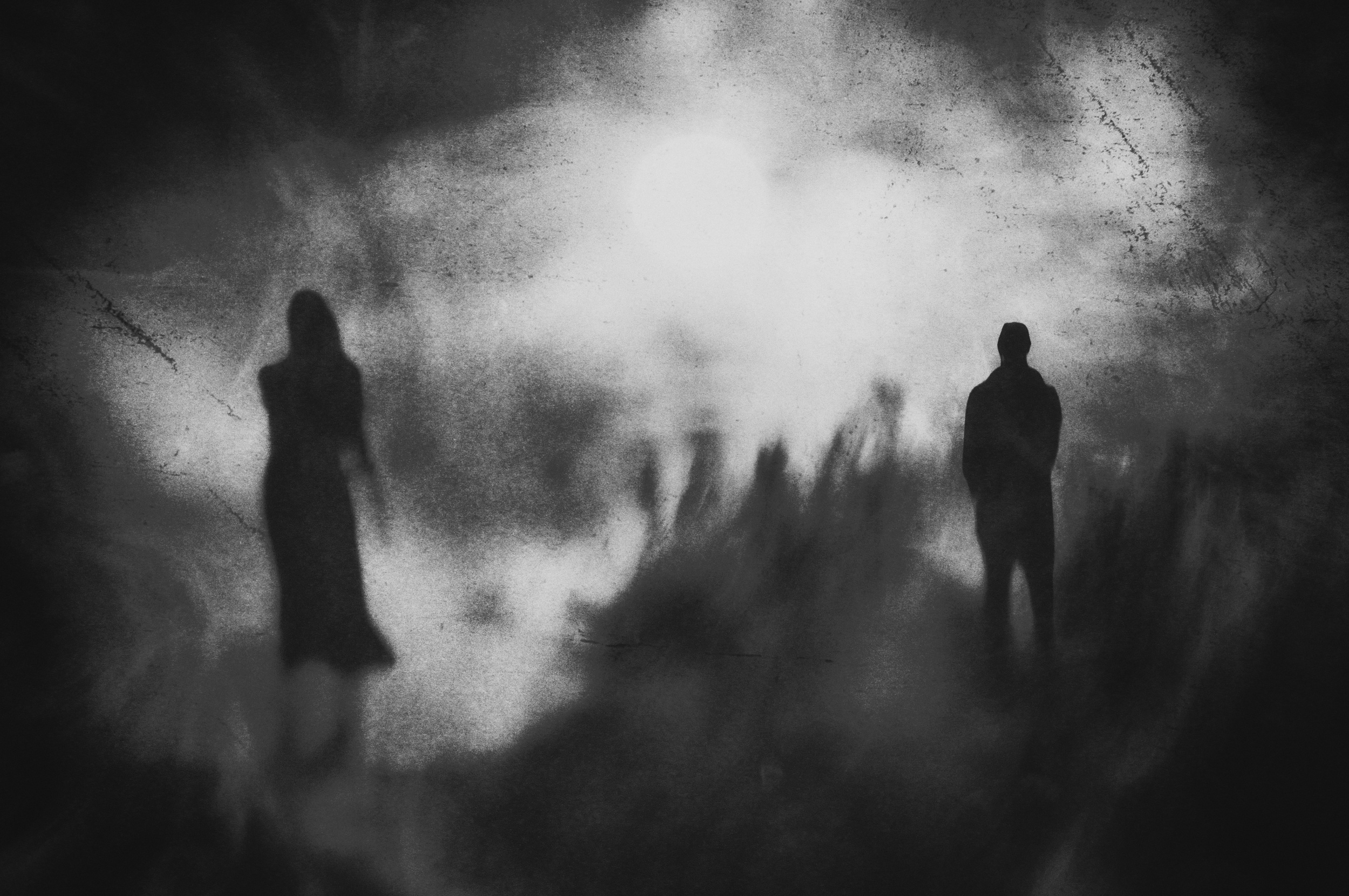
‘Two Souls, One Light’
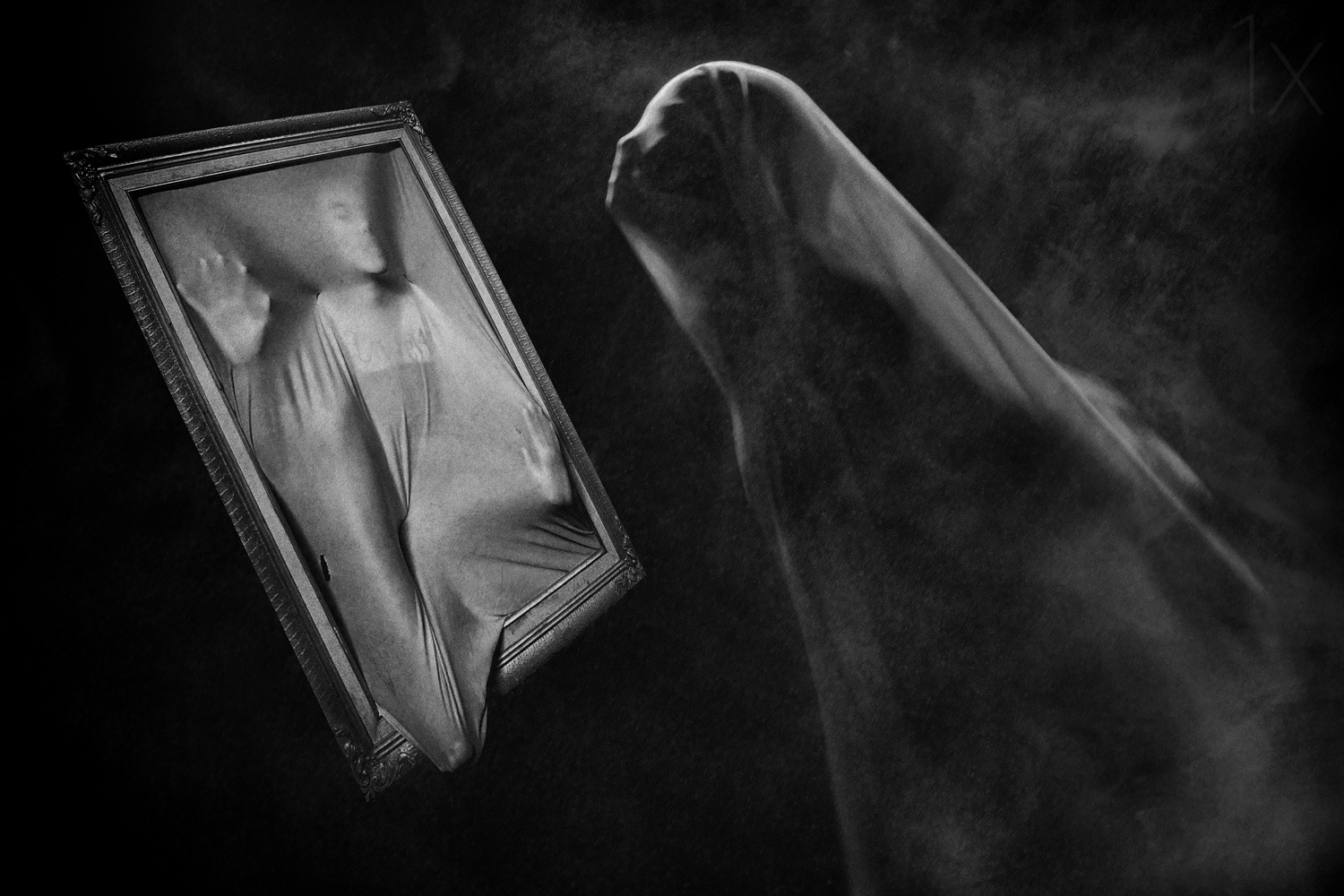
‘Of the soul are trapped’
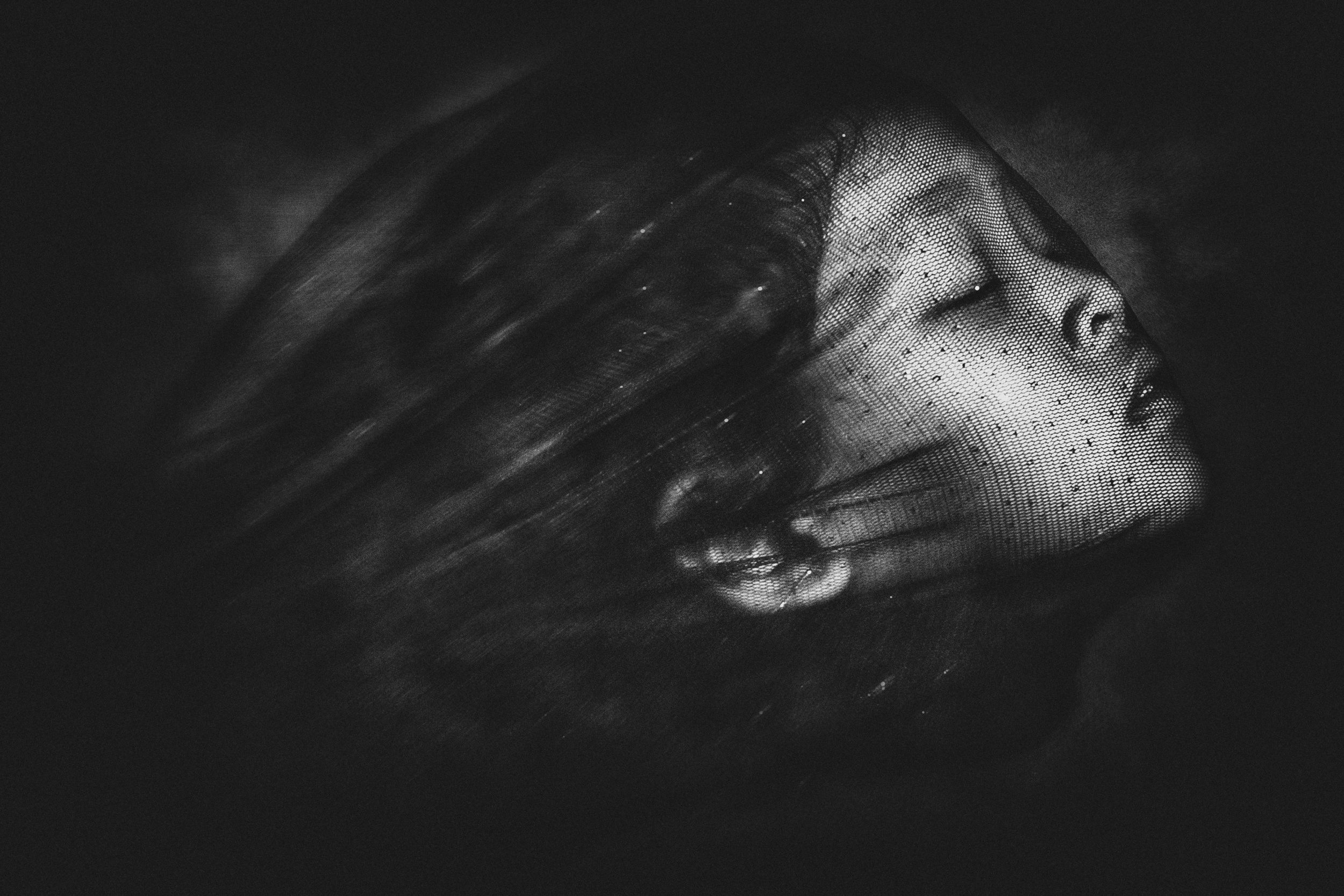
‘Behind the Veil of Life’
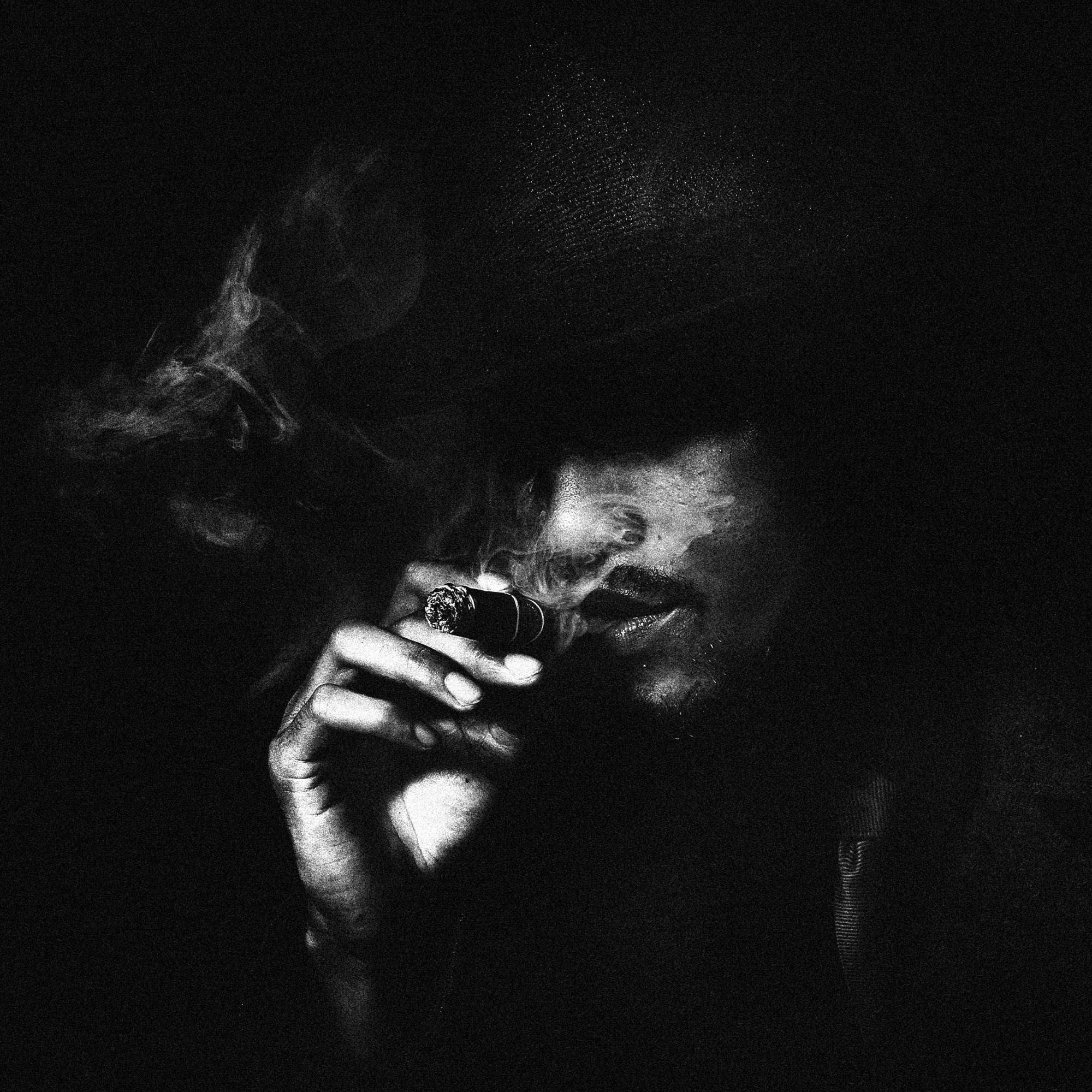
‘MR.….?
|
| | Great creativity. Inspiring scenes! Congrats! |
| Jay Satriani PRO Thank you very much dear Ludmila
.best regards |
| | Angelika Vogel PRO Very impressive photos/scenes and discription and interpretation dear Jay! I love your works! Congratulations on this marvelous portfolio! |
| Jay Satriani PRO Thank you very much my friend Angelika.I am very happy with your kind appreciation..best regards Jay |
 | Arnon Orbach CREW Dear Jay, your mesmerizing images transcend photography, entering a world of dreams, symbolism, and profound emotion.
Your masterful use of light, atmosphere, and composition creates a hauntingly beautiful visual poetry.
Your remarkable artistic vision is deeply moving, wonderfully original, and truly unforgettable. Congratulations! and thanks to Yvette for this fantastic editorial work.. |
| Jay Satriani PRO Thank you so much , my friend Arnon, for your beautiful and heartfelt words. I feel honored that my works can convey feelings and meanings beyond the visual.Best Regards |
 | Ilan Amihai PRO thanks really great works |
| Jay Satriani PRO Thank you very much Ilan Amihai |
| | great interview with creative photos |
| Jay Satriani PRO Thank you very much Dear Caria |
 | Kathryn King PRO What a wonderful article about one of my favorite 1x artists. Thank you for a great magazine, Yvette, and Jay, your images are always profoundly moving to me, I think you should write a book. I also see now that your musicality is part of your artistic poetry. |
| Jay Satriani PRO Thank you so much, my dear friend Kathryn. Your words truly touch my heart. It is an honor to know that my work resonates so deeply with you. Music and photography are indeed two languages of the soul that complement each other in my artistic journey. Thank you for your sincere friendship and support. 🙏❤️ |
 | yein PRO So you've returned to 1x after a six-year hiatus
I was moved by the interview and the striking photos.
I look forward to communicating often through photos Congratulations. |
| Jay Satriani PRO Thank you so much, my friend. After six years of taking a break and reflecting, I have returned with a new perspective and deeper understanding. I also hope we can stay connected, share our feelings, and communicate through our photographic works. 🙏 |
 | Jay is back ! Nice work brader!! |
| Jay Satriani PRO Thank you so much, my friend. I also miss the works of our old friends. I hope we can reconnect and continue sharing inspiration through our art. 🙏 |
 | Cicek Kiral CREW An outstanding interview and impressive photos… thanks to all who brought it to us 👏👏👏 |
| Jay Satriani PRO Thank you so much, my friend Cicek Kiral . I truly appreciate your kind words and support. May our works continue to be a medium for sharing feelings and the meaning of life. |
| | Dear Jay, congratulations and thank you for sharing your amazing creative work! I am very impressed! Thank you so much to Yvette! |
| Jay Satriani PRO Thank you so much, my friend. I truly appreciate your kind words and sincere support. It is a pleasure to share feelings and creativity through my work. 🙏 |
 | Heike Rompf PRO A very moving interview—profound, metaphysical, and spiritual. A true artist who uses photography as a tool in his search for meaning and for his own identity. I take my hat off to his approach and his work. |
 | Makoto Inaba PRO Dear Jay! The interview is peppered with words that have taught me a great deal about your creative process and philosophy. Having reread this interview of yours many times, I am keenly aware that I, too, must continue to learn and work hard.
I would like to express my heartfelt thanks to Yvette for introducing Jay in this magazine. |
| Jay Satriani PRO Thank you so much, my dear friend, for your sincere and touching words. I believe we are all lifelong learners, continually growing through our experiences, creative processes, and life journeys. I, too, am still learning to understand myself and discover the deeper meaning behind each of my works.
I feel truly honored if my experiences and artistic philosophy can inspire you on your own creative journey. My heartfelt thanks also go to Yvette for this wonderful opportunity and for her trust in sharing my story in the magazine.
May we continue to grow together through art, inspiring one another and bringing light to each other’s journeys.
Warmest regards and friendship! jay |
| Yvette Depaepe CREW I'm proud as Editor in chief to have your meaningful and inspiring interview in the 1x archives forever, mdf Jay ... It's a double pleasure to have you back in "town" here. I, and many others have missed you during your 6 years of absence. Cheers, Yvette |
 | Susi PRO Thank you for sharing your fantastic work and your perspective on photography, it’s all very inspiring. |
| Jay Satriani PRO Thank you very much my friend Susi, I really appreciate every positive sentence you give me good energy... warm regards |
 | Sokol Priftaj PRO I found this article super engaging and a joy to read! The photos are superb too |
| Jay Satriani PRO Thank you very much for your time, I hope you are always happy. |
 | Jane Lyons CREW Thanks for this interview, Jay. I appreciate your work and the personal vision behind it. There is something very compelling about seeing the world through your lens. I am so happy that you are back at 1x. |
| Jay Satriani PRO Thank you very much to my friend Jane for taking the time to watch this interview, hopefully it will provide a lot of positive value for me and the readers, may your days be happy and abundant |